How to Plan a Route Through Patagonia?
26/06/2026How Many Days Do You Need for a Trip to Patagonia? A Guide to Planning the Ideal Itinerary
06/08/2026
When is the best time to visit Patagonia? – A guide to Seasons, Weather and Travel Conditions
Share on social networks:
Patagonia is not a destination where the weather plays a minor role
When people start planning a trip to Patagonia, one of the very first questions they ask is: When is the best time to visit Patagonia?
At first glance, it seems like a simple question. For most destinations, you check when the high season begins, look at the average temperatures, see how many rainy days there are, and make your decision.
Patagonia doesn’t work like that.
Here, the weather is not just something you check a few days before departure. It becomes one of the key factors that shapes your entire journey, determining which activities you’ll be able to do, what landscapes you’ll experience, and, quite possibly, how many times you’ll change clothes in a single day as if you were preparing for all four seasons at once.
That’s why there is no single answer that suits every traveller.
Some visitors dream of multi-day treks through spectacular national parks. Others are planning a road trip across Argentina and Chile. Some hope to photograph Mount Fitz Roy glowing at sunrise, while others simply want peaceful hiking trails without large crowds.
Each travel style has its own advantages and its own ideal time of year.
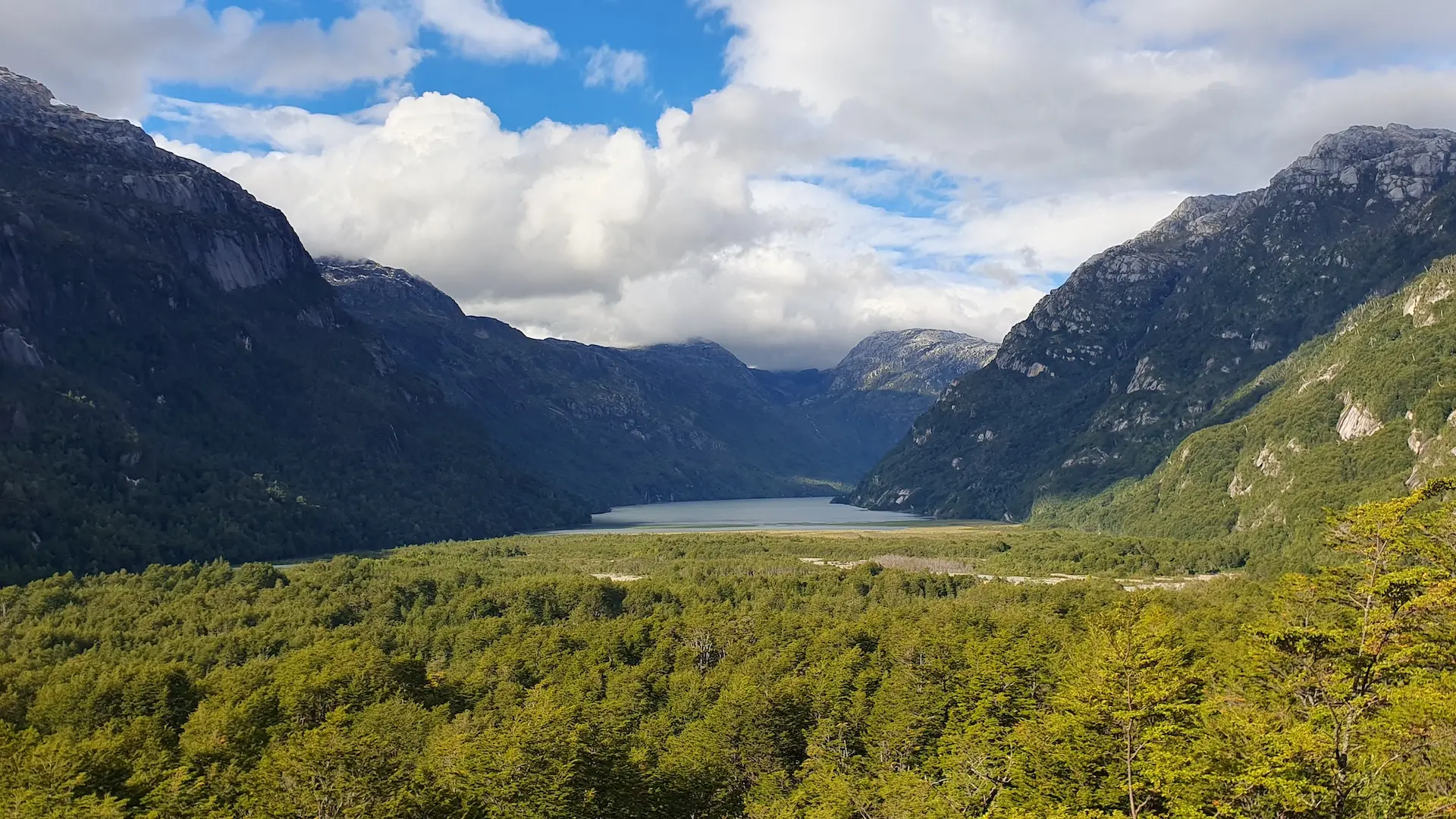
Stretching across the southernmost regions of Argentina and Chile, Patagonia covers an enormous landscape of glaciers, mountain ranges, turquoise lakes, endless steppe, fjords and rugged coastlines. Because of its sheer size, weather conditions can vary dramatically even between destinations that appear close together on a map.
You might enjoy bright sunshine in El Calafate while the peaks of Torres del Paine remain completely hidden behind thick clouds. Or you may begin the morning in calm conditions only to find yourself battling Patagonia’s famous winds just a few hours later.
The phrase “four seasons in one day” isn’t an exaggeration here it’s often an accurate description of everyday life.
Weather, distances and logistics all work together to shape the quality of your trip. That’s why choosing when to visit Patagonia isn’t simply about temperatures.
It’s one of the most important decisions you’ll make while planning your journey.
If you’re just beginning to organise your adventure, we recommend reading our guide “Patagonia Travel Guide”, where we cover the region, its highlights, and everything you should know before your first visit.
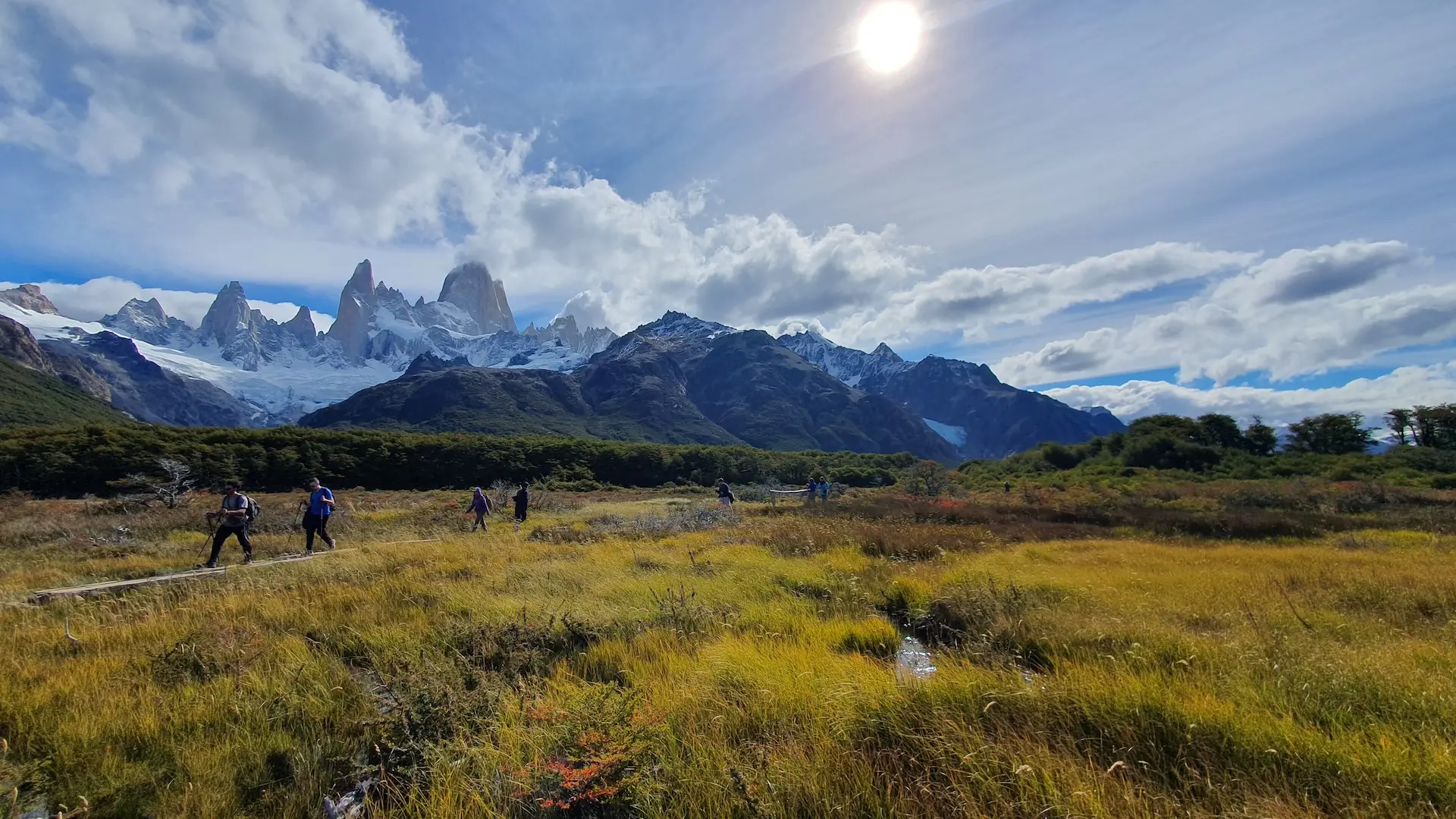
In short: when is the best time to visit Patagonia?
For most first-time visitors, the best time to travel to Patagonia is between October and the end of March.
This is when the widest range of activities is available, daylight hours are longest, national parks operate at full (or nearly full) capacity, and overall conditions are generally the most favourable for exploring the region.
Summer (December to February) is the ideal choice if your priorities are trekking, long days outdoors and maximum availability of excursions.
However, it also brings the highest accommodation prices, the busiest hiking trails and Patagonia’s famously powerful winds.
Spring and autumn are often the sweet spot for travellers looking for fewer crowds, a more relaxed atmosphere and a more intimate experience of the region.
Winter offers something completely different, snow-covered landscapes, remarkable tranquillity and a side of Patagonia that relatively few visitors ever see. While fascinating, it is usually not the best option for a first visit if your goal is to explore the region’s most iconic hiking routes.
The most important question isn’t simply “Which month is best?”
It’s “What kind of Patagonia do I want to experience?”
When is Patagonia's travel season?
Patagonia’s main tourist season coincides with the Southern Hemisphere summer, running roughly from December through February.
This is when the largest number of visitors arrive to explore the region’s national parks, world-famous hiking trails and extraordinary natural attractions.
The days are exceptionally long, most excursions operate daily, and weather conditions are generally at their most favourable for outdoor adventures. It’s no surprise that many travellers choose this period for their first visit.
But that certainly doesn’t mean summer is the only or even the best time to go.
Patagonia transforms dramatically throughout the year.
Every season offers a completely different atmosphere, different landscapes and a unique style of travel. What may be the perfect time for one traveller could be far less appealing to another.
If your dream is to spend as much time as possible hiking spectacular mountain trails, summer will probably be your first choice.
If you prefer peaceful landscapes, photography or travelling outside the busiest tourist period, spring or autumn may suit you much better.
Instead of asking: “When should I visit Patagonia?” it’s often more useful to ask: “What do I want to experience in Patagonia?”
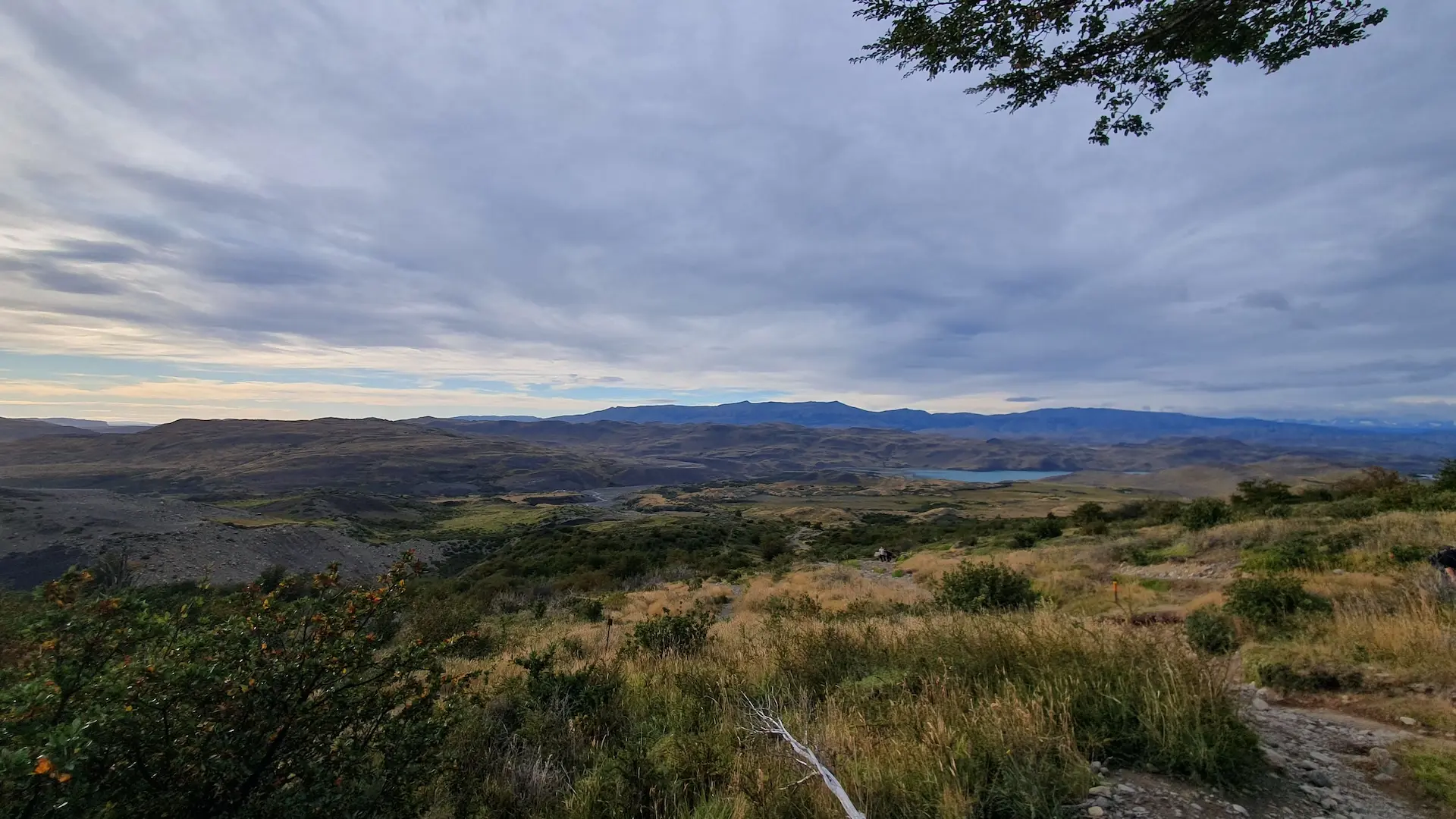
Patagonia seasons at a glance
| Season | Best for | Advantages | Things to consider |
|---|---|---|---|
| December – February | First-time visitors, trekking, outdoor adventures | Longest days, maximum activity availability, best hiking conditions | Highest prices, busiest period, strong winds |
| March – May | Photography, relaxed travel, autumn colours | Fewer tourists, spectacular scenery, peaceful atmosphere | Shorter days, some seasonal services begin closing |
| June – August | Snow-covered landscapes, tranquillity, unique experiences | Dramatic winter scenery, very few visitors | Some hiking trails close, reduced transport options, shorter daylight |
| September – November | Shoulder season travel | Nature comes alive, fewer crowds, lower prices | Highly changeable weather, some seasonal services are still reopening |
Summer in Patagonia: maximum adventure, maximum crowds
Summer, from December to February, is the most popular time to visit Patagonia and the preferred season for most first-time travellers.
Temperatures are generally at their warmest, nearly all hiking trails are fully accessible, and national parks operate at full capacity. Iconic routes around Mount Fitz Roy, El Chaltén and Torres del Paine National Park are therefore at their busiest during these months.
Another major advantage is the exceptionally long daylight.
In the southernmost parts of Patagonia, daylight can last more than sixteen hours during December and January. This allows plenty of time for full-day hikes, extended photography sessions and relaxed exploration without constantly watching the clock.
However, this popularity also comes with higher accommodation prices, increased demand and significantly more visitors at the region’s best-known destinations.
Hotels in El Chaltén, El Calafate and Torres del Paine are often booked several months in advance, particularly around Christmas and New Year.
There’s another factor many first-time visitors underestimate:
Summer in Patagonia doesn’t feel like summer in the way most people imagine it.
This is also the season when Patagonia’s famous winds are often at their strongest.
Across the open steppe, mountain passes and exposed hiking trails, powerful gusts can completely change your outdoor experience. Even when temperatures seem comfortable, the wind can make conditions feel surprisingly cold.
For this reason, experienced hikers often begin their treks early in the morning, when weather conditions tend to be calmer before the afternoon winds strengthen.
Summer undoubtedly offers the best overall conditions for exploring Patagonia, but it never guarantees perfect weather.
Nature always has the final say.
If you’re still deciding which destinations deserve a place on your itinerary, be sure to read our guide “The Most Beautiful Places in Patagonia”, where we’ve selected the locations that consistently leave travellers speechless.
Summer is ideal if you want:
- maximum availability of activities and excursions
- long daylight hours for hiking and sightseeing
- the highest chance that hiking trails and national parks will be fully open
- a classic first journey through Patagonia’s most iconic destinations
Keep in mind:
- accommodation and activity prices are at their highest
- early bookings are strongly recommended
- popular trails can become crowded
- strong winds are common, especially in exposed areas
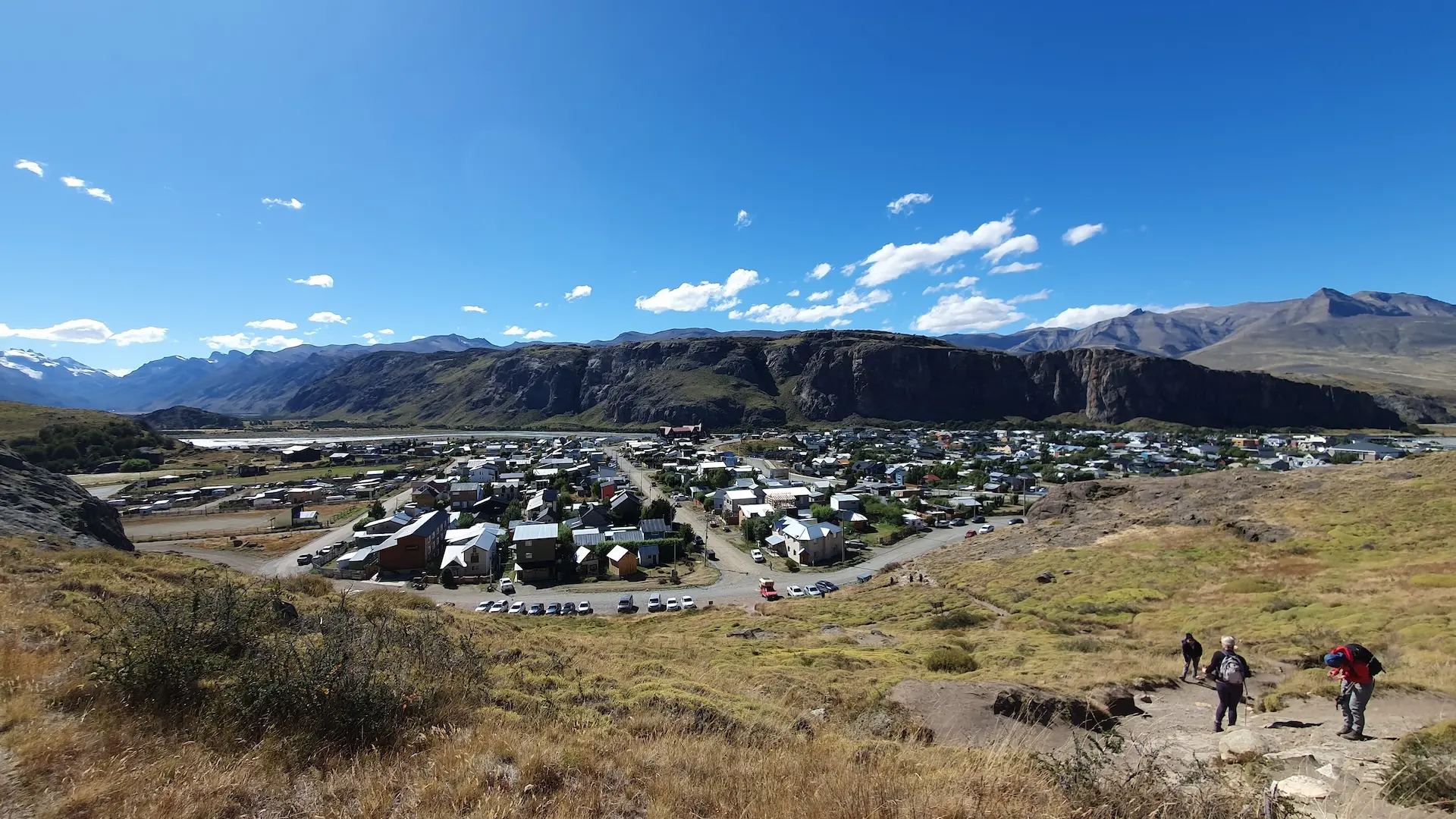
Autumn in Patagonia: Fewer Crowds and a Completely Different Atmosphere
While most travellers automatically choose the summer months, many experienced Patagonia enthusiasts consider early autumn to be one of the most rewarding times to visit.
March is particularly attractive because it still offers many of the advantages of the peak season, but with fewer visitors and a much more relaxed pace. Days remain long enough for most outdoor activities, tours and accommodations continue operating normally, and Patagonia’s most famous destinations gradually become quieter than they are during January and February.
One noticeable difference is the wind.
Patagonia is always windy, and it’s important not to romanticise that fact. However, during March, the famous Patagonian winds are often less frequent and generally less intense than in the height of summer. Throughout our own journey, several locals told us that March often feels calmer and more enjoyable than January or February precisely because of the wind conditions. Of course, this doesn’t mean there is no wind, it simply means your chances of experiencing calmer days are often slightly better.
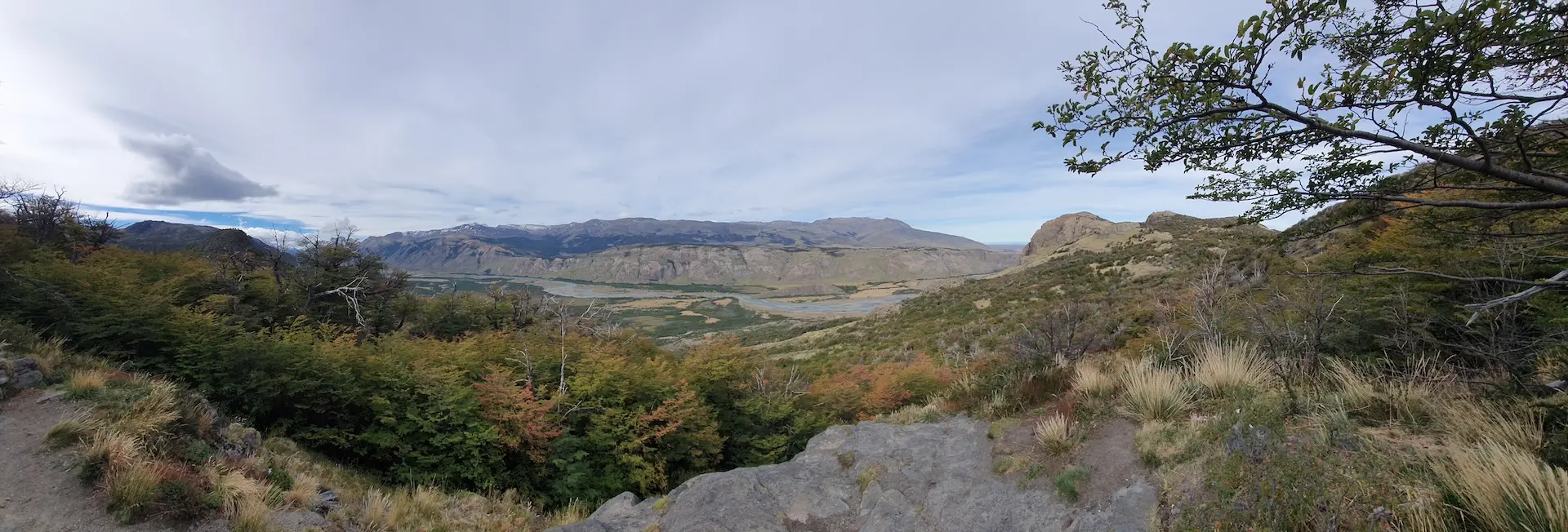
As autumn progresses, particularly throughout April and May, Patagonia takes on an entirely different character. Forests in Argentine Patagonia, especially around El Chaltén and Ushuaia turn brilliant shades of yellow, orange and red, while the surrounding mountain peaks begin receiving their first dusting of snow. The combination of colourful forests, glaciers, turquoise lakes and dramatic granite peaks creates landscapes that look completely different from those of summer.
For this reason, many landscape photographers consider autumn one of the most beautiful seasons to visit Patagonia.
The atmosphere also changes noticeably. Hiking trails, scenic viewpoints and lakes become quieter, allowing you to enjoy Patagonia’s vast wilderness without the crowds that are common during peak season. That feeling of space, silence and untouched nature is one of the greatest advantages of travelling in autumn.
Naturally, autumn also brings certain compromises. As April and May approach, daylight hours become shorter, temperatures gradually fall, and some tours and seasonal services begin operating on reduced schedules before closing for winter. Travelling in early March is therefore quite different from travelling at the end of May.
During our own trip in March, we experienced this first-hand. More than once we started an excursion under warm sunshine, only to put on every layer of clothing we had packed a few hours later. More stable certainly does not mean predictable. Patagonia always keeps you humble.
If your goal isn’t simply to tick off as many locations as possible, but rather to experience Patagonia at a slower, more immersive pace, early autumn may well be one of the best times to visit.
If you haven’t yet read our guide How to Plan the Perfect Patagonia Route, we highly recommend it, as careful itinerary planning becomes even more important during the shoulder seasons.
Autumn is an excellent choice if you want to:
- avoid the peak-season crowds
- enjoy quieter hiking trails and viewpoints
- experience spectacular autumn colours, particularly in April and May
- capture stunning landscape photography
- potentially experience calmer winds than during January and February, especially in March
- discover Patagonia at a slower, more intimate pace
Keep in mind:
- weather remains unpredictable throughout the season
- daylight hours become noticeably shorter as autumn progresses
- mornings and evenings are considerably colder
- some tours and seasonal services reduce their operating schedules later in the season
- flexibility remains essential
Winter in Patagonia: Raw Beauty for Those Looking for Something Completely Different
Most travellers associate Patagonia with summer, yet winter reveals an entirely different side of this extraordinary region.
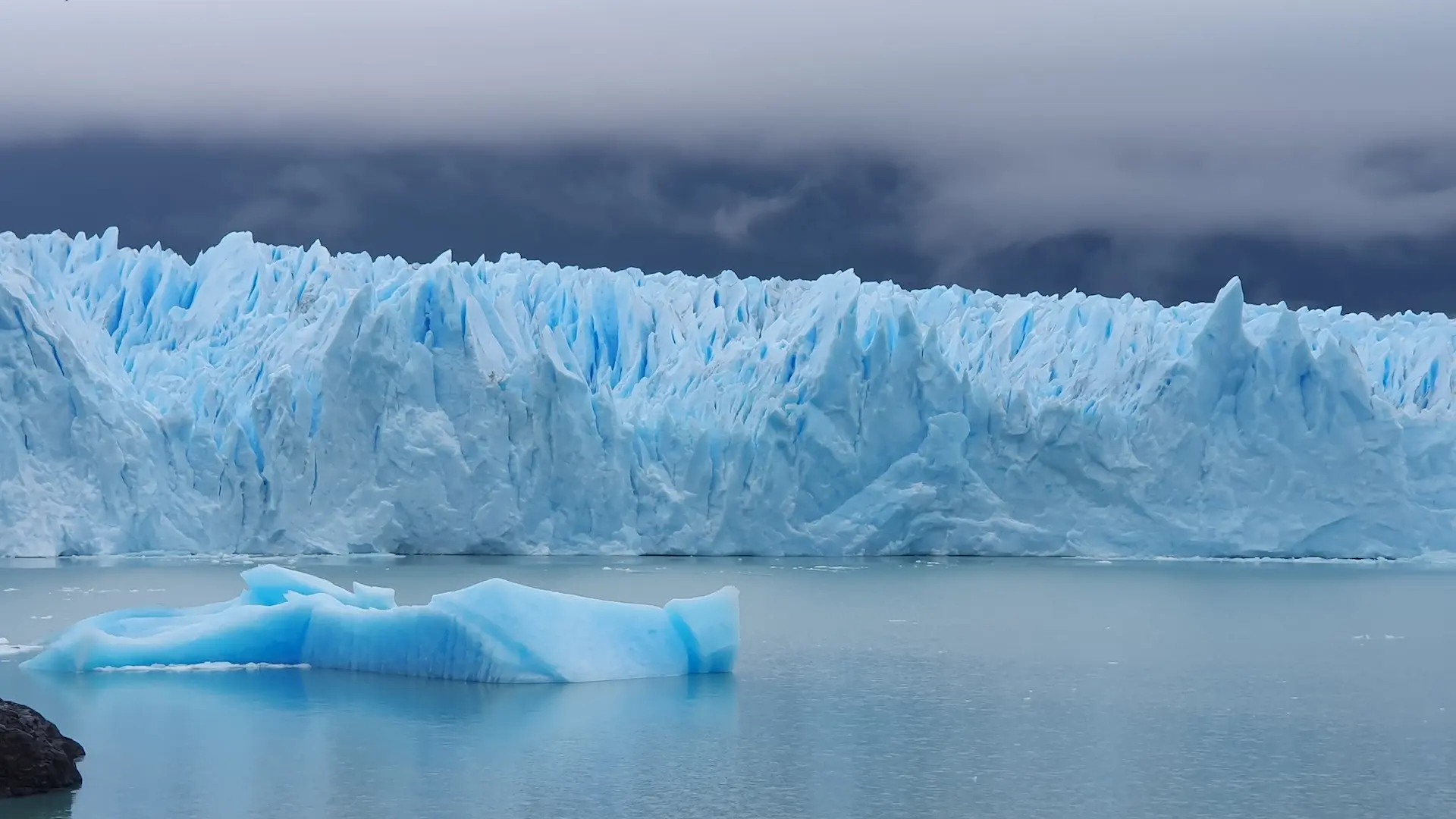
Snow-covered mountain peaks, dramatic landscapes and peaceful wilderness replace the busy trails of summer. Visitor numbers drop significantly, and in many places you’ll feel as though you’ve stepped into one of the last true wildernesses on Earth.
That said, it’s important to set realistic expectations.
Winter is generally not the best choice for a first visit if your goal is to experience Patagonia’s most famous hiking routes and national parks. Many trails become inaccessible due to snow and ice, mountain refuges close for the season, and changing weather conditions demand far greater flexibility than at any other time of year.
Daylight hours are also much shorter, naturally limiting the amount of time available for outdoor activities.
On the other hand, travellers who appreciate snowy landscapes, dramatic photography and peaceful surroundings often find winter incredibly rewarding. Patagonia feels even wilder and more authentic, free from the larger crowds that define the summer months.
If your priority is experiencing Patagonia’s atmosphere rather than covering as many destinations as possible, winter can offer an unforgettable perspective.
Winter is an excellent choice if you want to:
- experience snow-covered landscapes and dramatic scenery
- avoid almost all tourist crowds
- enjoy a slower and more peaceful travel experience
- photograph Patagonia in a completely different season
Keep in mind:
- many famous trekking routes are closed or have limited access
- daylight hours are significantly shorter
- accommodation, restaurants and transport options are more limited
- colder temperatures require proper winter clothing and equipment
- itinerary flexibility becomes even more important
Spring in Patagonia: Nature Awakens and Crowds Have Yet to Arrive
Spring, from September to November, is often overlooked despite offering one of the best balances between weather conditions, activity availability and visitor numbers.
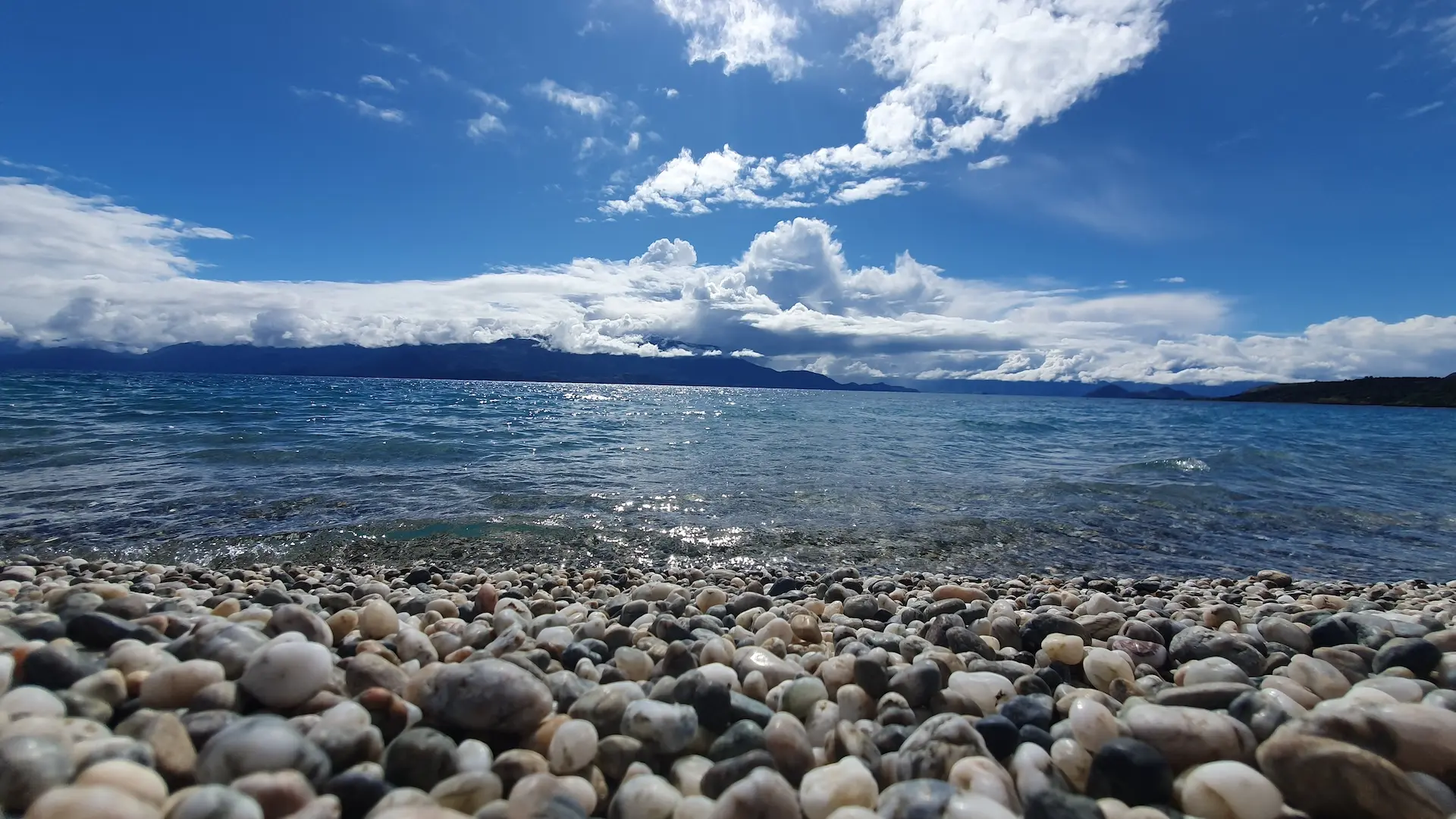
As summer approaches, Patagonia slowly comes back to life. Days become longer, vegetation turns green again, and wildlife becomes increasingly active, making spring particularly attractive for nature lovers and wildlife enthusiasts. National parks gradually return to full operation, hiking trails reopen and more organised excursions become available.
For many travellers, spring represents the ideal compromise between peak season and the quieter months.
However, it’s worth remembering that early spring can still feel surprisingly wintry, particularly at higher elevations and in the southernmost parts of Patagonia. September may still bring snow, cold temperatures and limited activity options, while late October and November generally provide more reliable conditions for a first visit.
The weather, however, remains as unpredictable as ever.
A perfectly sunny morning can quickly give way to strong winds or heavy rain, especially in mountainous areas such as Torres del Paine or around Mount Fitz Roy. Yet this unpredictability also rewards travellers who build flexibility into their itinerary.
If you can allow one or two spare days for your most important activities, you’ll significantly increase your chances of experiencing Patagonia at its very best.
Spring is an excellent choice if you want to:
- avoid the crowds before peak season
- benefit from lower prices than during summer
- enjoy increasingly longer days
- experience Patagonia as nature comes back to life
- find a great balance between accessibility and tranquillity
Keep in mind:
- weather conditions remain highly changeable
- September and early October can still be quite cold
- some services and excursions may only gradually reopen
- flexibility should remain part of your itinerary
Patagonia's Weather Forecast Is a Guide, Not a Guarantee
If there’s one thing almost every traveller agrees on after returning from Patagonia, it’s this: the weather is remarkably unpredictable.
It’s not unusual to experience sunshine, strong winds, rain, clouds and blue skies all within the same day. That’s why locals often joke that Patagonia experiences four seasons in a single day.
The true star of Patagonia’s weather, however, is the wind.
You won’t see it in photographs, but you’ll certainly feel it. In some parts of the region, gusts can become so powerful that they completely change the perceived temperature, make hiking considerably more challenging, and occasionally even affect transport schedules and boat excursions.
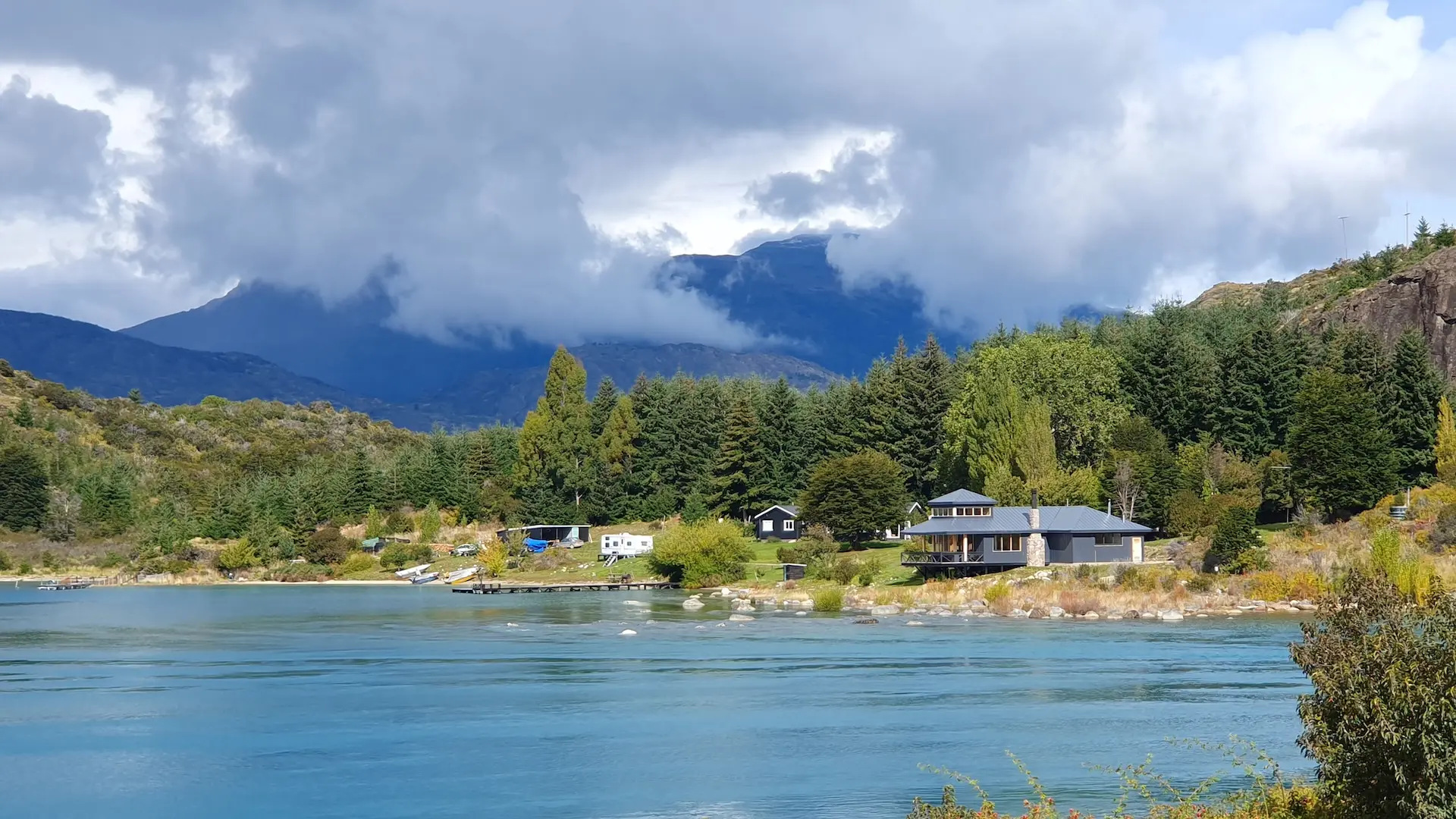
During our own journey, the weather forced us to change our plans several times. One planned trek had to be postponed because of severe weather warnings. The following morning the skies cleared completely, rewarding us with one of the most spectacular views we experienced anywhere in Patagonia.
That taught us an important lesson.
In Patagonia, having the perfect itinerary matters far less than having the flexibility to seize opportunities when nature allows.
If you’re planning longer hikes or outdoor excursions, it’s worth checking multiple weather forecasts, as conditions can change surprisingly quickly.
During our own trip, we found these resources particularly useful:
- Windguru.cz – exceptionally useful for monitoring wind conditions before hikes, long drives and boat excursions. It became the weather tool we checked most frequently throughout our journey after several locals recommended it.
- YR.no – one of the most reliable forecasting services for Patagonia’s mountainous regions, especially for hourly weather changes.
- MeteoChile and SMN Argentina – the official national weather services providing local forecasts, warnings and safety information.
No weather forecast is ever 100% accurate, especially in Patagonia.
Treat every forecast as guidance rather than a promise.
Why Buffer Days Matter More Than a Perfect Itinerary
One of the biggest mistakes people make when planning a trip to Patagonia is trying to schedule every single day down to the smallest detail. That approach may work in many European destinations, but Patagonia plays by different rules. Here, nature almost always has the final say.
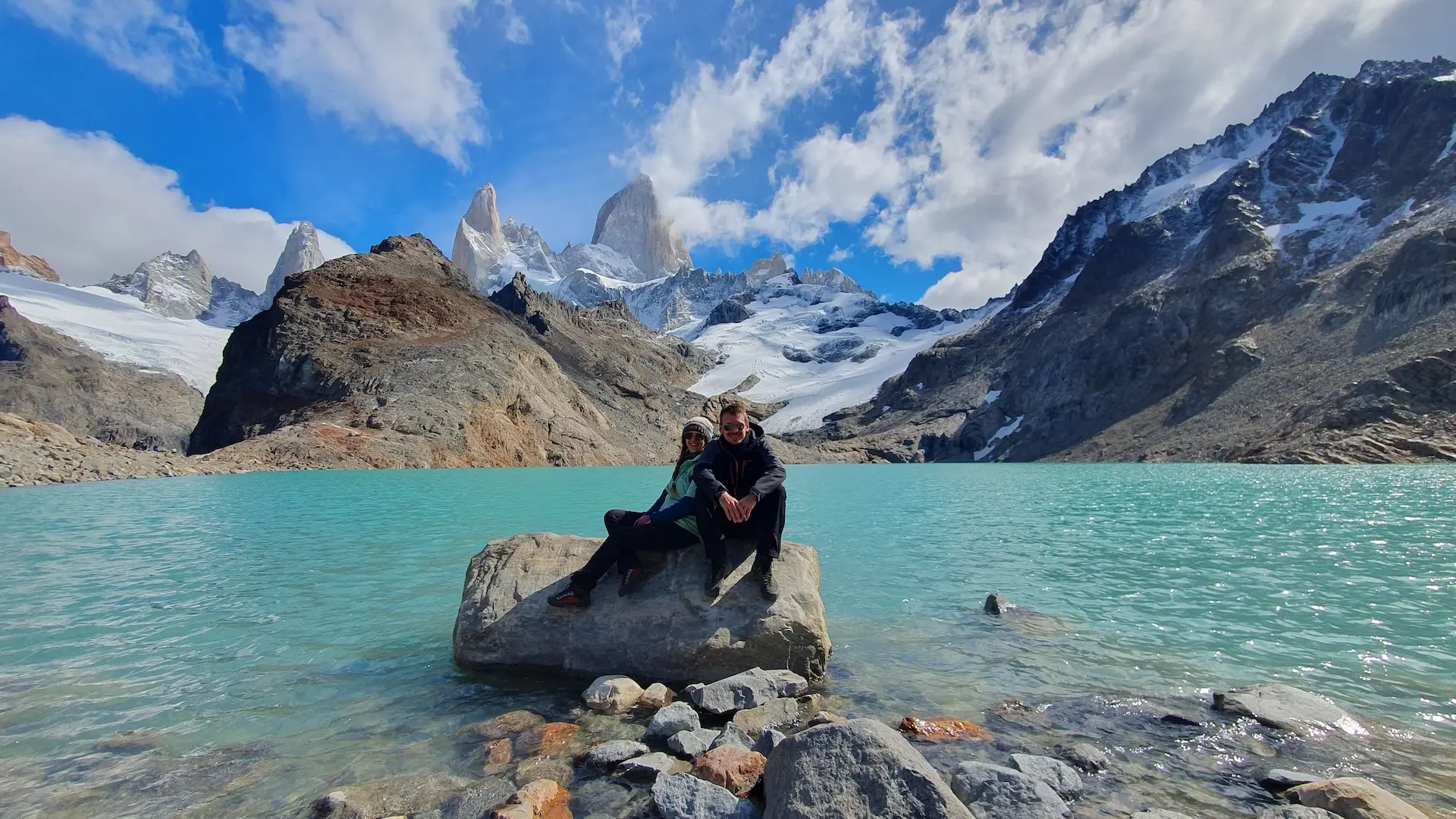
You can book your hike to Laguna de los Tres months in advance, but if Mount Fitz Roy disappears behind thick clouds that morning, the view you’ve travelled halfway around the world to see simply won’t be the same. The same applies to Torres del Paine, where changing weather conditions can transform your entire experience of the national park within just a few hours.
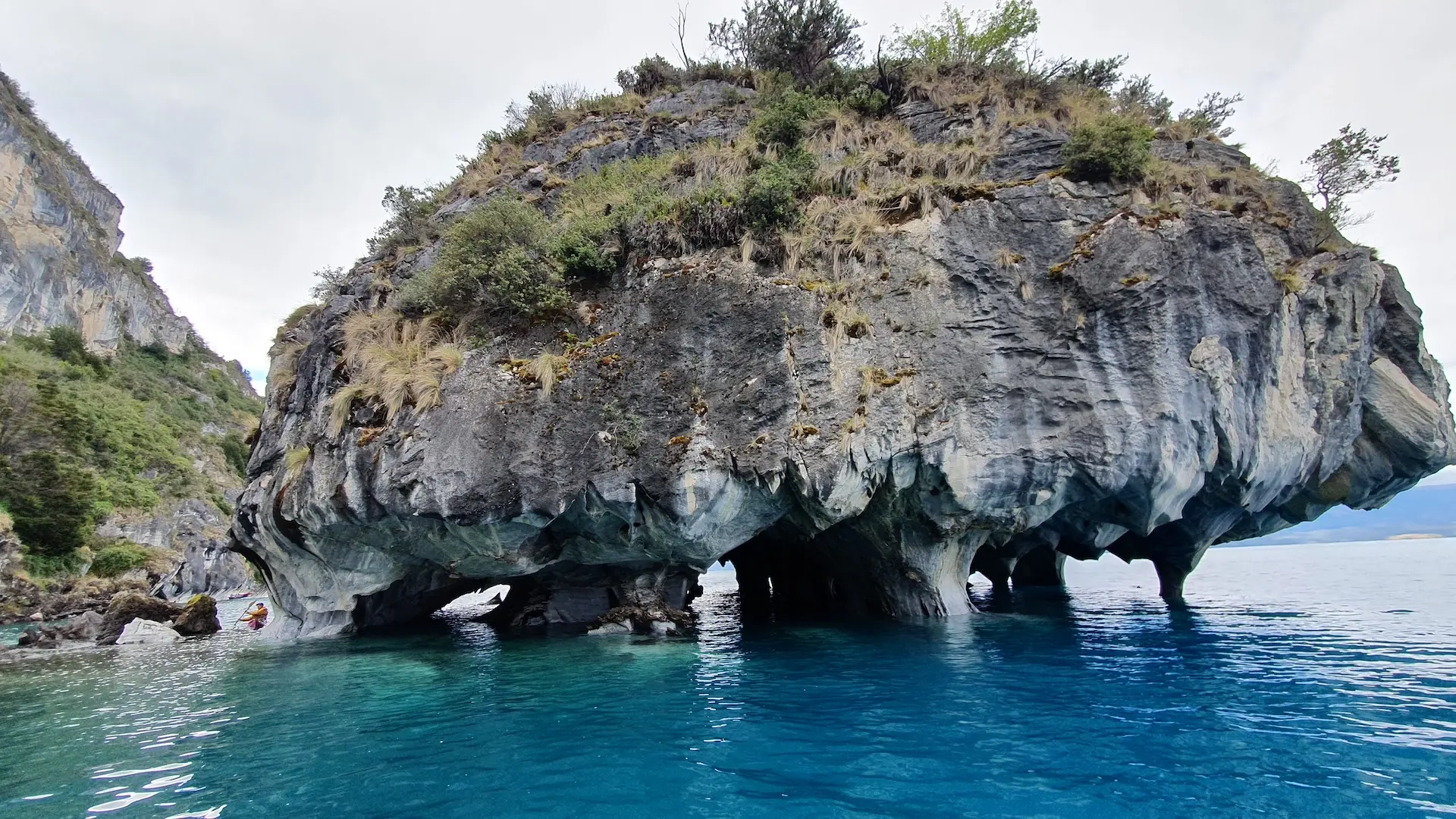
The same principle applies to many excursions. Boat trips depend on wind and sea conditions, penguin tours may be adjusted according to the weather, and even visiting the famous Marble Caves in Chilean Patagonia can be affected by wind and water levels as we experienced ourselves.
That’s why we always recommend leaving at least one or two buffer days in the regions that matter most to you. That flexibility will often have a greater impact on your trip than a more luxurious hotel or a more expensive excursion.
During our own journey, those spare days allowed us to experience some of Patagonia’s most spectacular landscapes under ideal conditions. Had we followed our original schedule without any flexibility, several of our favourite views would have remained hidden behind clouds.
In Patagonia, the best itinerary isn’t the one that’s planned most precisely, it’s the one that leaves room to adapt.
When Should You Visit Patagonia Based on Your Travel Style?
There is no single best month for everyone, but there are seasons that suit different types of travellers.
For your first trip to Patagonia
The best period is generally from October to the end of March, particularly late spring, summer and early autumn. During these months you’ll enjoy the widest choice of activities and the easiest conditions for combining both Argentine and Chilean Patagonia.
For hiking and adventure travel
December, January and February offer the best overall conditions, although November and March are also excellent choices if you’d prefer fewer crowds and can remain flexible with your schedule.
For photography and a quieter atmosphere
Autumn, especially March and April is often spectacular. Warm autumn colours, fewer visitors and dramatic contrasts between forests, glaciers, granite peaks and the season’s first snowfall create unforgettable landscapes.
For lower prices and fewer crowds
Spring and autumn frequently provide a better balance between costs, availability and overall experience than the height of summer.
For snowy landscapes and a completely different experience
Winter can be incredibly rewarding, but it isn’t for everyone. It’s best suited to travellers who aren’t focused on Patagonia’s classic trekking routes and who are comfortable with more limited transport options and seasonal services.
So, When Is the Best Time to Visit Patagonia?
After everything we’ve covered, the answer is both simple and slightly disappointing.
There is no universally perfect month to visit Patagonia.
There is only the season that best matches your travel style, expectations and priorities.
If this is your first trip and you want to explore national parks, hike famous trails, drive Patagonia’s legendary scenic roads and visit its iconic highlights, travelling between October and the end of March will generally provide the best overall experience.
If your priorities are photography, peaceful landscapes and avoiding larger crowds, early spring or late autumn may actually suit you even better than the peak summer season.
Most importantly, don’t plan your trip around the calendar alone.
Weather is only one piece of the puzzle. Your itinerary, travel distances, flight schedules, trip duration and the way you connect Argentina and Chile all play an equally important role.
That’s why two travellers visiting Patagonia during the very same month can return home with completely different experiences.
Our Personal Advice After Travelling Through Patagonia
After exploring a large part of Patagonia ourselves, there’s one piece of advice we’d give anyone planning their first trip to this extraordinary region:
Don’t choose your travel dates simply because they’re the cheapest or because someone online claims it’s “the best month.”
Patagonia isn’t defined by the season alone.
Several times during our journey we completely changed our daily plans because the weather demanded it. Looking back, those unexpected changes led to some of the most unforgettable moments of our entire trip.
What truly shapes your experience isn’t the exact month you visit, but how well your itinerary is designed, how much time you allow for each region, and how willing you are to adapt to whatever nature offers that day.
It’s far better to spend two or three extra days exploring one area properly than to rush across Patagonia in ten days trying to see everything.
Every additional transfer means less time enjoying what you actually came for: towering mountains, glaciers, turquoise lakes, wildlife and the extraordinary sense of space that
Patagonia offers better than almost anywhere else on Earth.
Patagonia isn’t a destination for collecting photos or ticking boxes.
It’s a place that rewards those who slow down.
Very often, the best memories are created the moment your carefully planned itinerary stops mattering and you simply embrace whatever the day brings.
Frequently Asked Questions About the Best Time to Visit Patagonia
What is the best month to visit Patagonia?
For a first visit, November through March is generally the best period, offering the widest range of activities and the most favourable conditions for exploring the region. If you’d prefer fewer crowds, consider travelling in November, March or April.
Is summer the best time to visit Patagonia?
Summer offers the best conditions for hiking, the longest daylight hours and the greatest availability of tours and activities. However, it also brings higher prices, larger crowds and stronger winds, so it isn’t automatically the best choice for every traveller.
When is Patagonia least crowded?
You’ll encounter fewer visitors during spring and autumn, especially outside the peak summer months of December through February. Winter sees the fewest tourists but also comes with the greatest logistical limitations.
Can you visit Patagonia in winter?
Absolutely. However, winter isn’t the ideal season for a first trip if you want to hike Patagonia’s most famous trails. It’s better suited to travellers looking for peaceful snowy landscapes and a completely different perspective of the region.
When is the best time for hiking in Patagonia?
The main hiking season generally runs from November to March, with the best trail availability during summer. Even then, you should expect strong winds, rapidly changing weather and the need for flexibility.
How unpredictable is Patagonia’s weather?
Very. It’s entirely possible to experience sunshine, rain, clouds, powerful winds and dramatic temperature changes within a single day. That’s why dressing in layers, preparing properly and maintaining a flexible itinerary are far more important than relying on any weather forecast.
Planning a Trip to Patagonia?
If you’ve followed our Patagonia guide series, you’ve probably realised by now that Patagonia is one of the world’s most spectacular, but also one of its most logistically challenging travel destinations.
If you’re also wondering how much you should budget, be sure to read our guide How Much Does a Trip to Patagonia Cost? where we break down the real costs of accommodation, transport, food and activities.
Choosing the right season is only one part of planning a successful trip.
An equally important role is played by a well-designed itinerary, carefully connected flights, a realistic travel pace and enough flexibility to make the most of whatever nature offers on any given day.
That’s why every itinerary we create is fully tailored to the individual traveller.
Rather than offering pre-designed packages, we build each journey around your available time, budget, interests and the kind of Patagonia experience you’re looking for.
If you’re planning a trip to Argentina and Chile and would like help choosing the best season, designing the perfect route, booking flights and accommodation or organising your entire journey, we’d be delighted to help.
Our goal isn’t simply to organise your trip.
It’s to help you experience Patagonia in the way that suits you best.