Travel to Patagonia (Argentina & Chile): A guide to planning an unforgettable adventure
12/06/2026The Most Beautiful Places in Patagonia Worth Including in Your Journey
19/06/2026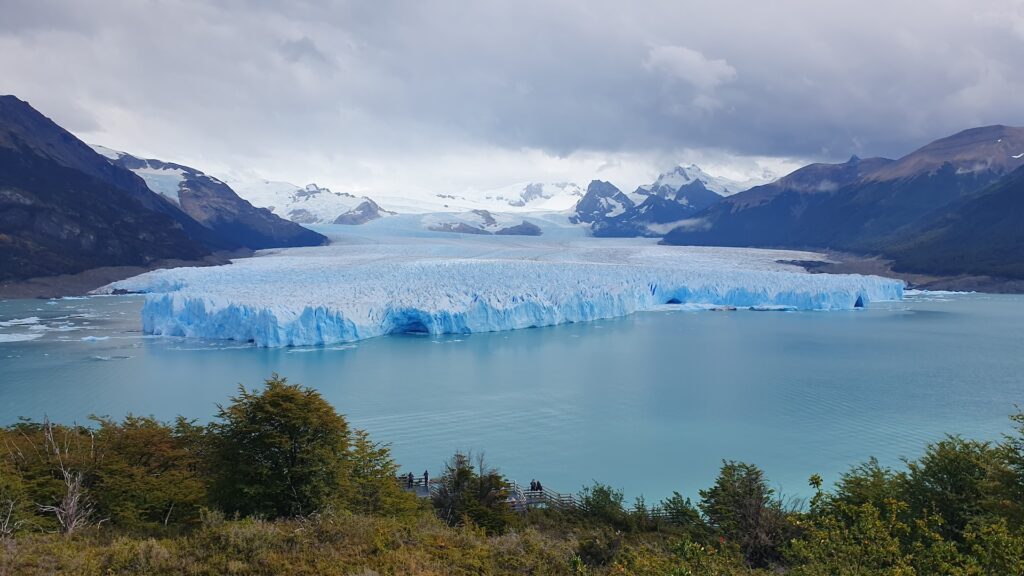
How much does a trip to Patagonia cost? (And Why Prices Vary So Much)?
Share on social networks:
Patagonia: A Once-in-a-Lifetime Journey
Patagonia is one of those destinations that is often described as the trip of a lifetime. Photographs of glaciers, dramatic mountain peaks, and untouched wilderness tend to create high expectations and the good news is that Patagonia usually exceeds them.
One of the first questions most travelers ask, however, is: How much does a trip to Patagonia actually cost?
The answer is not straightforward. And this is where many people make their first mistake, trying to compare Patagonia to more conventional destinations with clearer pricing structures and simpler logistics.
In a hurry and just want the quick answer? Here is a breakdown of the estimated Patagonia trip cost per person:
| Travel Style | Estimated Budget (14-day trip, excluding international flights) |
|---|---|
| Budget | approx. 2.300–3.000 € |
| Mid-Range | approx. 4.500–5.500 € |
| Luxury | From 7.500+ € |
Why There Is No Single Price for a Patagonia Trip
There is no standard Patagonia budget.
No single price applies to everyone because the total cost depends on the season, itinerary, accommodation availability, transportation choices, comfort level, and overall travel style.
The cost of a Patagonia trip can vary significantly depending on:
- Travel dates
- Availability of international and domestic flights
- Accommodation category and location
- Number of destinations you want to visit
- The way the trip is organized
- Flexibility with travel dates and itinerary
In practice, this means two travelers can visit the same region while having completely different budgets and entirely different experiences.
One traveler may focus on the major highlights while staying in simple accommodation, while another may combine more remote locations, premium lodges, and guided excursions. Both trips can be excellent, but they are not the same trip.
The destinations you choose and how they connect with one another have a major impact on the final cost. If you’re still deciding which locations to include, you can explore our guide to the most beautiful places in Patagonia.
Flights: One of the Biggest Parts of the Budget
When it comes to Patagonia, transportation represents one of the largest portions of the overall budget.
The challenge is not only reaching South America but also traveling within Argentina and Chile, where distances are vast and transportation options are not always straightforward.
A typical transportation structure includes:
- An intercontinental flight from Europe to South America
- One or more domestic flights within Argentina or Chile
- Overland transfers between destinations
- Potential border crossings between Argentina and Chile
Depending on the country of departure, international flights can be direct or include one to two layovers. If there is a direct flight, the travel to Buenos Aires alone takes approximately 13 hours, but when you add the airport arrival and everything that precedes the flight, we are realistically talking about at least 16 hours of travel time. For flights with layovers, the total time can easily rise to 18, 20, or more hours.
Round-trip flight prices from Europe usually range around 800–1,200 € per person when tickets are bought at a more favorable time and there is good availability. During more expensive periods or with later booking, the price can easily approach 2,000 € and even exceed that amount.
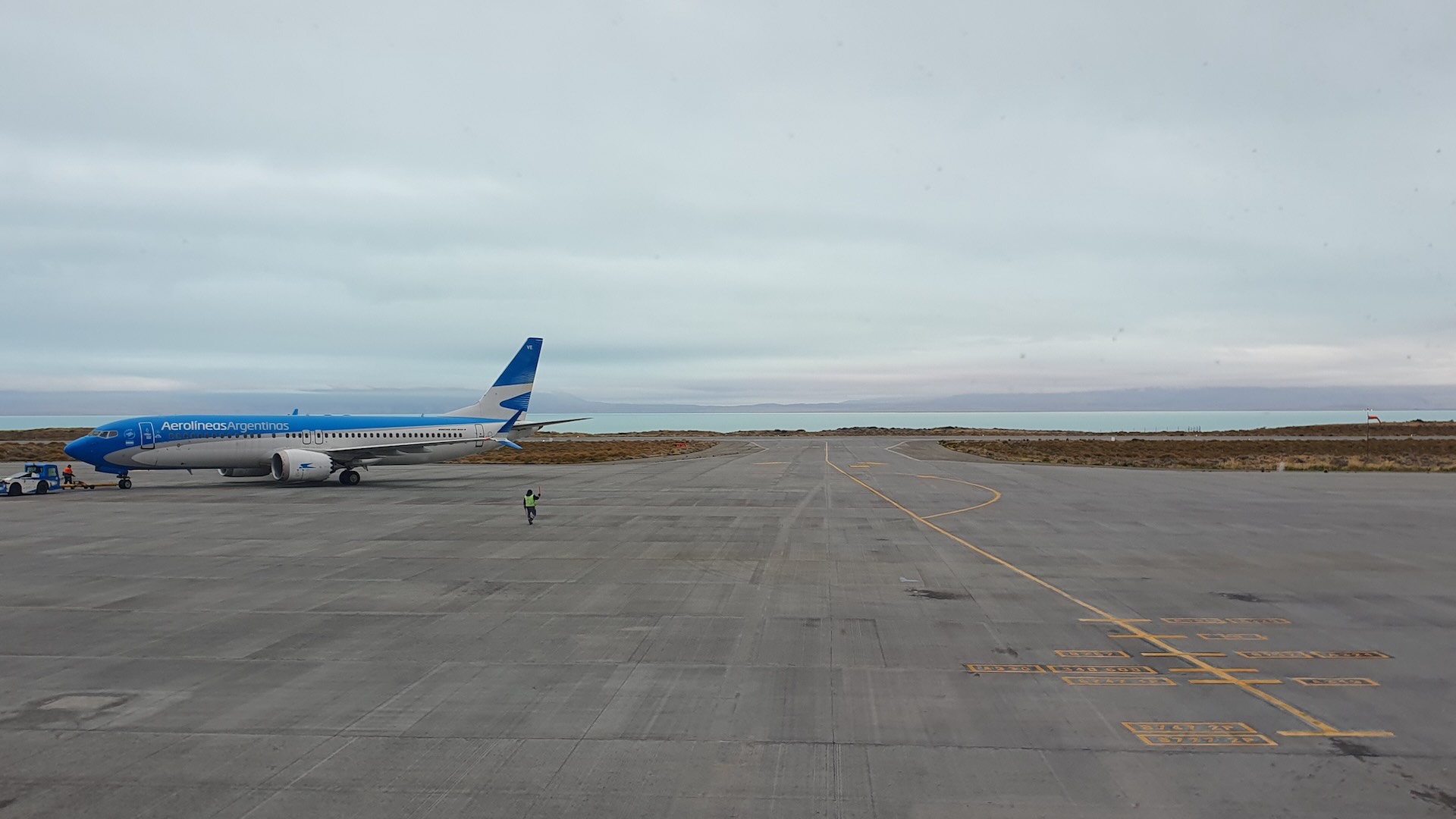
An additional challenge is that Patagonian cities and towns on the Argentine and Chilean sides are usually not directly connected by air lines. They may look relatively close on the map, but in practice, crossing from one country to another is often not a matter of a single short flight. Sometimes this means returning through larger aviation hubs, most commonly Buenos Aires or Santiago, which adds time, cost, and another layer of logistics to the trip.
Domestic flights are almost unavoidable due to the massive distances between individual parts of Patagonia, even if you stay in just one country. Depending on the route, travel dates, and availability, you should roughly budget between 200 and 550 € per person for them.
That is why the order of destinations in Patagonia is not just a question of what the route looks like on a map. It is a very concrete decision that can significantly affect both the budget and the flow of the trip itself.
A difference of just one day in the schedule, a different route direction, or swapping the order of two destinations can sometimes mean hundreds of euros of difference, but also a few hours less spent at airports, on the roads, or waiting for connections.
We saw this during our own planning as well. In Patagonia, small logistical decisions rarely stay small. One change often triggers another, then a third, and a route that looked perfectly simple on paper very quickly becomes a small transport and logistics puzzle.
Accommodation: From Simple Stays to Exclusive Experiences
Patagonia offers a wide range of accommodation options, from basic guesthouses and mid-range hotels to boutique properties and luxury wilderness lodges.
The most important thing to understand is that availability is often limited, especially in smaller towns and near national parks.
Accommodation in Patagonia is not just about hotel categories. More often, the key factors are location, convenience, how much time it saves, and the overall experience it provides.
Options typically include:
- Hostels and simple guesthouses
- Standard mid-range hotels
- Boutique accommodations
- Luxury nature lodges
The price difference between basic and premium accommodation can be substantial, but the difference in experience is often even greater.
In a destination where nature is the main attraction, views, location, and accessibility can completely transform your trip.
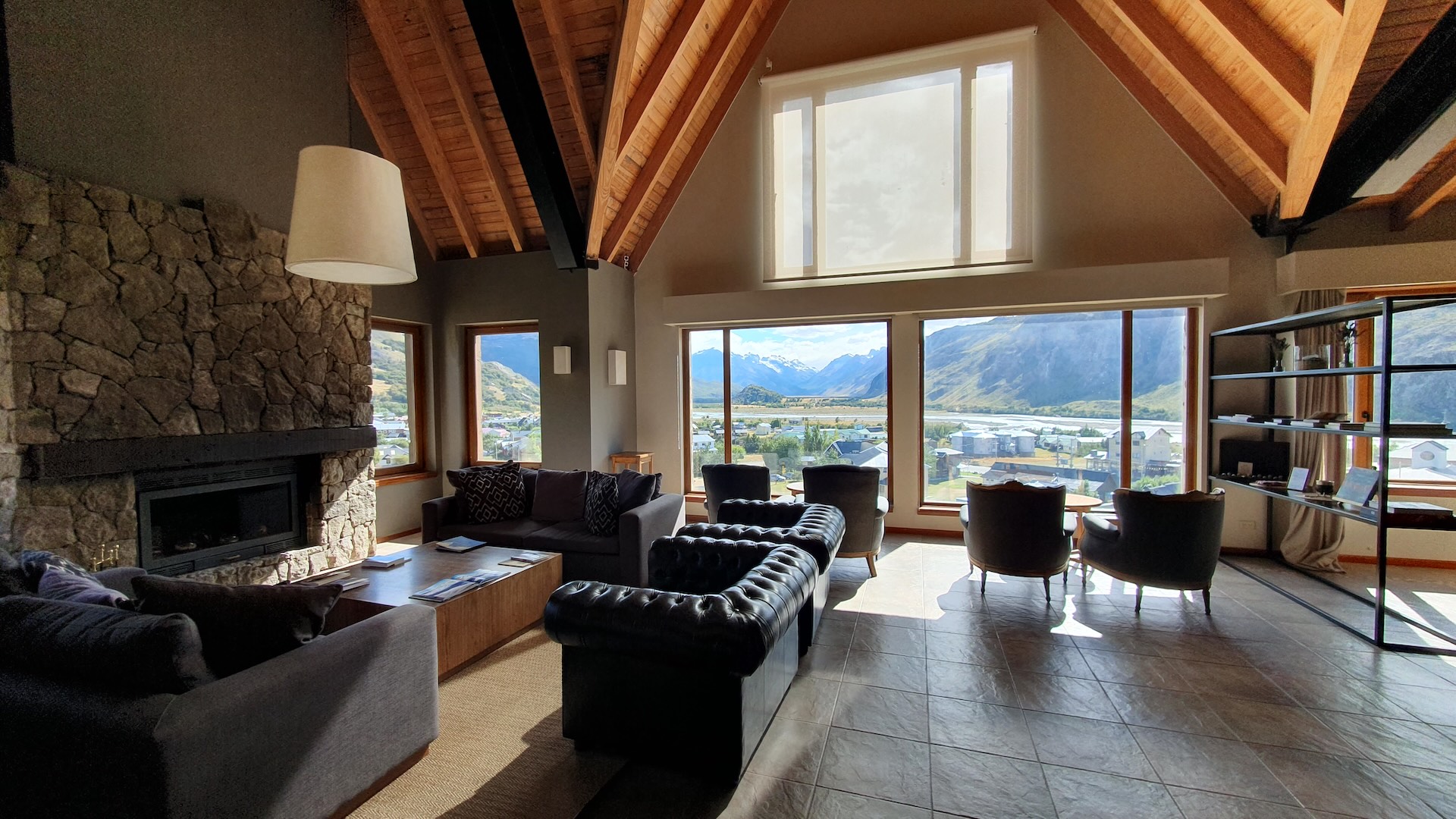
During our own journey, we stayed in everything from simple accommodations in small towns to lodges surrounded by breathtaking landscapes that leave you speechless for a few moments before you can even find the words.
That was when we realized that in Patagonia, you are not simply paying for a room.
You are paying for location, accessibility, and the opportunity to be closer to the experiences that brought you there in the first place.
In El Calafate, you will usually pay between 60 and 150 € per night for a quality mid-range hotel during peak season, while luxury options along the lakefront start from 300 € and up. On the other hand, in the isolated mountain village of El Chaltén, prices are significantly higher, so you will have to shell out 120 to 250 € for well-reviewed mid-range accommodations, while exclusive premium lodges and all-inclusive wilderness glamping reach anywhere from 500 to over 1,200 € per night.
Excursions and National Parks: The Hidden Part of the Budget
One of the most underestimated parts of a Patagonia budget is the cost of activities, entrance fees, and local transportation.
At first glance, park entry fees or day tours may seem like minor expenses. In reality, these costs add up quickly.
Patagonia is not a destination where you simply arrive and start wandering around.
Many of its most famous attractions require advance planning, scheduled departures, local transfers, or guided tours.
Common additional expenses include:
- National park entrance fees
- Organized excursions and tours
- Local transportation
- Guided trekking activities
- Specialized experiences such as glacier hiking
In many cases, guided experiences become the most valuable part of the entire trip because they provide deeper insight, greater safety, and access to locations that would otherwise be difficult or impossible to experience properly.
Glacier trekking on Perito Moreno is a perfect example.
Standing in front of a towering wall of ice and hearing massive chunks break away and crash into the water below quickly explains why some experiences are worth far more than their price tag.
These are not simply “extra costs.”
They are the moments that made you travel all the way to Patagonia in the first place.
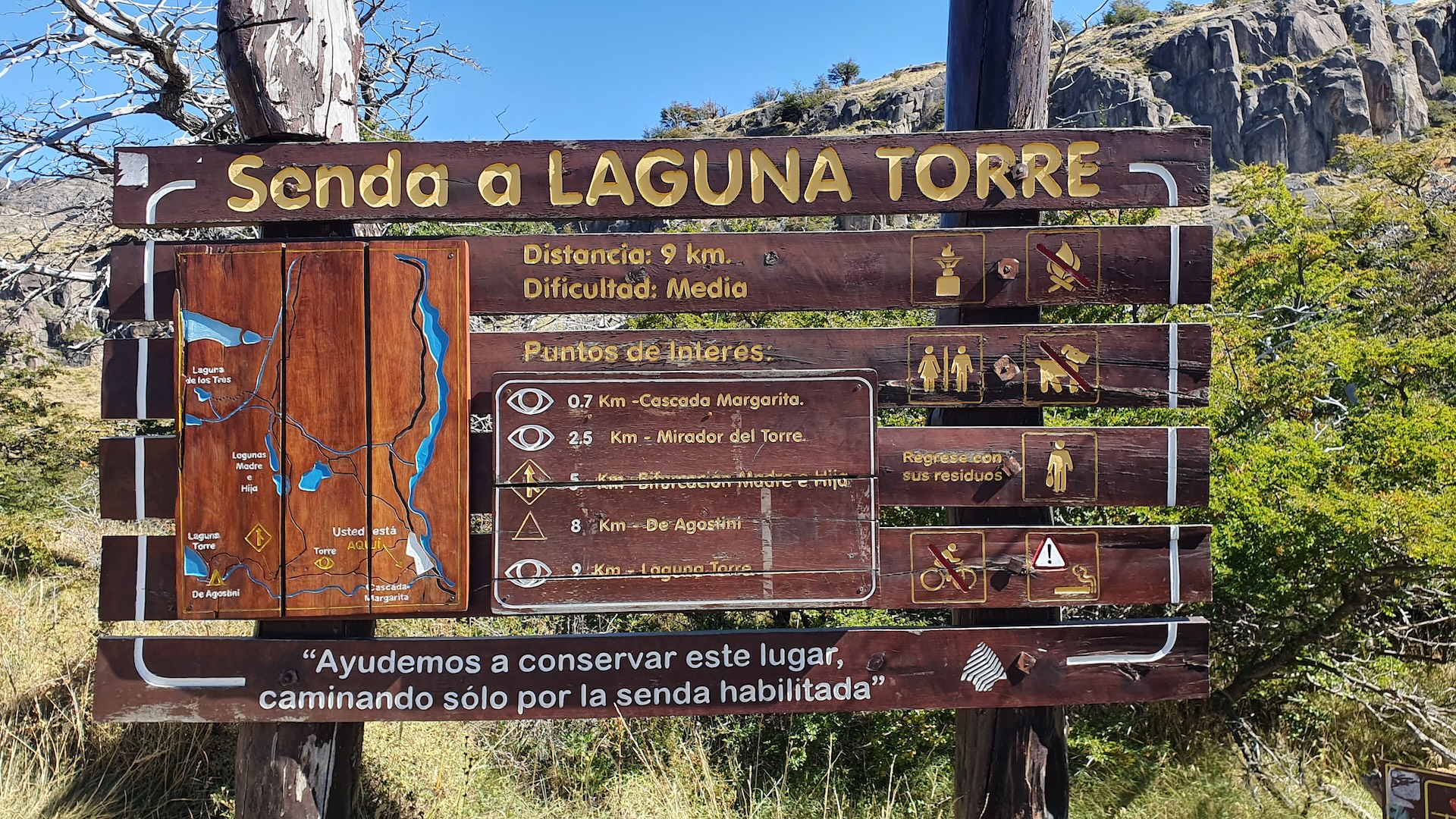
Ticket prices for Torres del Paine National Park in Chile and Los Glaciares National Park in Argentina have surged in recent years and can take up around 80–120 € per person for a few days of visiting, but this is a relatively small fraction of the overall budget, whereas organized excursions or glacier trekking increase the total cost multiple times over.
Why the Cheapest Option Often Ends Up Being More Expensive
One of the most common mistakes travelers make is focusing exclusively on the initial price.
On paper, some options appear cheaper: a lower airfare, accommodation farther from key attractions, or a loosely organized itinerary.
The problem is that in Patagonia, these decisions often become expensive later.
Poorly connected flights can result in additional overnight stays or lost travel days. Accommodation located far from major attractions can significantly increase transfer costs. Mismatched schedules may lead to missed excursions or the need for costly rebookings.
In practice, this often means:
- Poor flight connections leading to lost time or additional accommodation costs
- Inconvenient hotel locations creating extra transfer expenses
- Scheduling conflicts resulting in missed activities
- Overloaded itineraries causing more stress and less enjoyment
The result is a trip that looks cheaper on paper but ultimately delivers higher costs, more stress, and a lower-quality experience.
And that is often the most expensive type of saving.
How to Optimize Your Budget Without Sacrificing the Experience
Optimizing a Patagonia budget does not mean choosing the cheapest option.
Nor does it automatically mean choosing the most expensive one.
It means carefully designing every element of the journey so that your money is spent where it creates the greatest value.
While planning our own trip, we quickly discovered how seemingly minor logistical decisions could influence the overall budget.
Changing the order of destinations or shifting a flight by a single day can create meaningful savings while also producing a much more relaxed travel pace.
A well-organized Patagonia itinerary combines:
- A logical sequence of destinations
- Coordinated flights and transfers
- A realistic travel pace
- A balance between activities and free time
- Timely accommodation bookings
- Buffer days in regions where weather may affect plans
These details are where the difference between an average trip and an exceptional one is created.
When everything works together, your budget is used efficiently, without unnecessary expenses or compromises on the experience itself.
If you are just beginning your planning process, we recommend reading our Patagonia Travel Guide.
Sample budget per person (14 days):
Estimated budget (14 days) – mid-range.
| Item | Estimated (per person) | Cost description and breakdown |
|---|---|---|
| International flights | 900 – 1.300 € | Round-trip tickets from Europe to Buenos Aires or Santiago de Chile (depending on the route) |
| Domestic flights | 250 – 400 € | Internal flights with checked luggage included (e.g., Buenos Aires – El Calafate and return) |
| Accommodation | 900 – 1.300 € | 14 nights in 3* and 4* hotels (averaging 65–95 € per night) |
| Car rental | 400 – 600 € | Rental of a compact car or a small SUV at Balmaceda airport (the vehicle costs 800–1,200 € in total with insurance) |
| Excursions and tickets | 450 – 600 € | National park entrance fees, Minitrekking on the Perito Moreno glacier, and boat cruises |
| Food and drinks | 700 – 950 € | Restaurants (lunch/dinner), coffees, drinks, and grocery shopping for trails (approx. 50–70 € per day per person) |
| TOTAL | 3.600 – 5.150 € | Total estimated cost per person when two people travel together and share car rental and accommodation expenses |
Conclusion: Price Is Only Part of the Story
Patagonia is not a destination that should be planned based solely on budget.
Focusing on cost without understanding the logistics, distances, and weather conditions often leads to compromises that become very noticeable during the trip.
This is a region where organization is almost as important as the destination itself.
Distances are vast, accommodation and transportation options can be limited, and weather conditions have the power to change plans at any moment.
That is why the exact same budget can result in two completely different travel experiences, depending on how the itinerary is designed.
Ultimately, the question is not only how much the trip costs.
The real question is how much value you receive for the budget you invest.
Thinking About Traveling to Patagonia?
If you are considering a trip to Patagonia, it is important to start with realistic expectations and a clear understanding of the destination.
This is one of the more logistically demanding regions in the world to plan, where every detail, from flight schedules to destination sequencing can have a significant impact on the overall experience.
That is precisely why many travelers choose to leave the planning to specialists, allowing them to avoid unnecessary complications and make the most of their time on the ground.
We’ve been there. We know where the problems are. We know how to put together a route. For an individual assessment of the trip and organizational possibilities, please feel free to contact us.
A well-planned Patagonia journey is not simply about reaching the destination, it is about experiencing one of the world’s last great wilderness regions in the best possible way.