When is the best time to visit Patagonia? – A guide to Seasons, Weather and Travel Conditions
08/07/2026
How Many Days Do You Need for a Trip to Patagonia? A Guide to Planning the Ideal Itinerary
Share on social networks:
If you’re planning your first trip to Patagonia, one of the first questions you’ll probably ask yourself is: How many days do you actually need?
Search online and you’ll find all kinds of answers. Some travellers say ten days is enough, others recommend three weeks, while some have spent several months exploring Patagonia and still feel they’ve only scratched the surface.
The truth is, there isn’t one universal answer.
The ideal trip length depends on what you want to experience, how much time you have available, and how much of that time you’re willing to spend travelling between destinations. Patagonia is enormous, distances are vast, and places that look relatively close on a map can easily require a full day of driving, a domestic flight, or a combination of different transfers.
That’s why the number of days you have often has a greater impact on the quality of your trip than the list of destinations itself. You may have the perfect itinerary on paper, but if your schedule is unrealistic, you’ll quickly realise you’ve spent more time in a car, on a bus or at an airport than in the incredible landscapes you travelled all that way to experience.
In Short: How Many Days Do You Need in Patagonia?
For a first trip to Patagonia, we recommend at least 14 days, while 18 to 20 days is ideal if you want to explore both Argentine and Chilean Patagonia without constantly rushing.
If you only have 7 to 10 days, it’s much better to focus on a single region, such as El Calafate and El Chaltén, or Torres del Paine together with Puerto Natales. It won’t be “all of Patagonia,” but it can still be an exceptional trip if it’s planned well.
With 10 to 14 days, you can enjoy a rewarding first itinerary covering Patagonia’s most famous highlights, provided you choose your destinations carefully and keep a realistic pace. In practice, 14 days offers considerably more flexibility than 10.
A trip lasting 15 to 21 days becomes much more enjoyable. You’ll have enough time for Patagonia’s iconic destinations, outdoor activities, changing weather conditions and even a little spontaneity. For most travellers, this provides the best balance between time available and the overall experience.
If you have 22 days or more, you can begin considering a broader, slower-paced journey that includes more remote regions such as the Carretera Austral, Aysén, or additional time exploring both the Argentine and Chilean sides of Patagonia.
In other words, the real question isn’t simply how many days you have, it’s how much of Patagonia you can realistically experience during that time.
There Is No Perfect Number of Days. Only a Realistic Plan.
One of the biggest mistakes people make when planning Patagonia is assuming there’s a “correct” number of days needed to see the entire region.
Simply put, there isn’t.
Patagonia isn’t a city you can explore in a few days, nor is it a destination where you simply tick off the main attractions and connect them with the shortest route. It’s an enormous region stretching across southern Argentina and Chile, home to national parks, glaciers, mountain ranges, fjords, lakes, endless steppes and remote areas that aren’t always easily connected.
That’s why two trips of the same length can offer completely different experiences.
One traveller might spend ten days exploring El Calafate and El Chaltén, hike some incredible trails, visit Perito Moreno Glacier and return home completely satisfied. Another may try to combine both Argentina and Chile within the same timeframe, change accommodation every night, cross borders several times and spend hours in transit. On paper they’ll have visited more places, but in reality they may have experienced far less.
That’s why the number of days should never be the starting point when planning Patagonia.
First decide what you want to experience, and only then determine how much time you’ll realistically need.
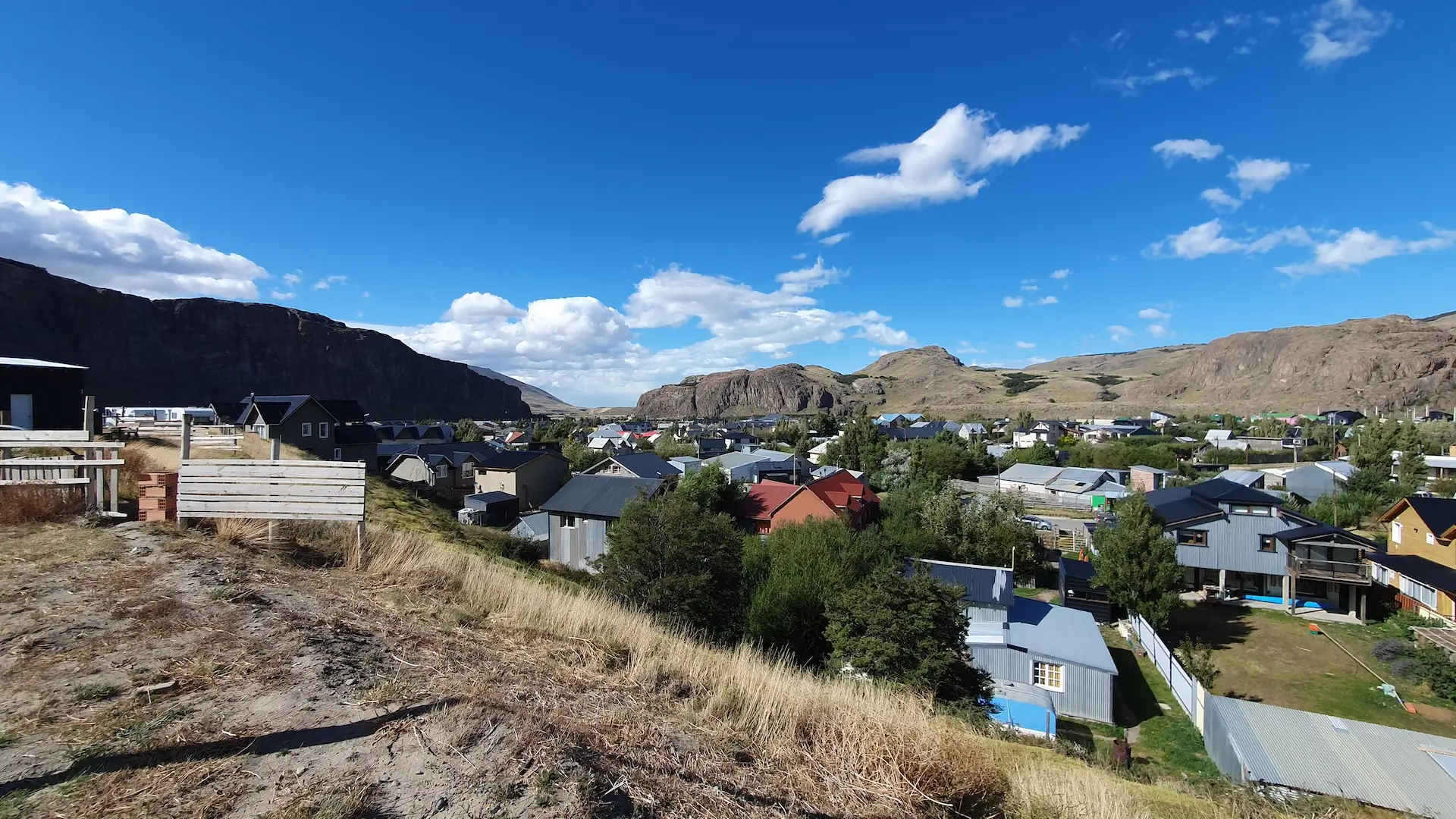
What Has the Biggest Impact on the Length of Your Trip?
Several factors determine how long you should spend in Patagonia, including getting to the region, its sheer size, your mode of transport, the number of destinations you want to visit, and the weather.
Before calculating how many days you’ll spend in Patagonia itself, don’t forget to include the journey to the region. There are no direct flights from Europe. Most travellers fly via Buenos Aires when visiting Argentine Patagonia or Santiago de Chile for the Chilean side.
That often means an additional domestic flight, changing airports, or even spending a night before continuing south.
In other words, it’s surprisingly easy to lose an extra day before your Patagonia adventure has even officially begun.
If you are just starting to plan, we recommend first reading our guide Patagonia Travel Guide, in which we explain how to organize the entire trip, from choosing the season and transportation to basic logistics before arriving in Patagonia.
The Size of Patagonia
Patagonia is much larger than most travellers expect. Distances between the region’s most famous destinations often require several hours of driving, domestic flights or a combination of different transport options.
On a map, many places appear relatively close together. In reality, they often aren’t connected by a quick or straightforward route. Sometimes you’ll need a long road transfer, sometimes a flight, and often the most practical itinerary combines planes, rental cars, buses or private transfers.
That’s why planning your itinerary isn’t simply about measuring kilometres on a map, it’s about understanding how well different regions are actually connected. Every major transfer between destinations should usually be considered a significant part of the day, and in many cases, an entire travel day.
Your Mode of Transport
How you travel through Patagonia has a major impact on your overall itinerary.
Some parts of the region are best explored with a rental car, while others are much easier to connect by domestic flights, buses or organised transfers.
That’s why most itineraries aren’t built around a single mode of transport. Instead, they usually combine several options depending on which regions you want to visit, how much time you have available and how much logistics you’re comfortable handling yourself.
The Number of Places You Want to Visit
There’s a huge difference between planning to visit three or four key destinations and trying to include almost everything in a single trip.
Every additional destination means another transfer, more accommodation changes, new logistics and extra planning.
That’s why we usually recommend spending an extra day at your most important locations instead of changing hotels every other day.
Patagonia simply isn’t a destination that works well with an overloaded itinerary. Technically, it’s possible, but that doesn’t mean it will make sense once you’re actually there.
Weather and Flexibility
Weather in Patagonia can completely change your plans within just a few hours.
If you only have one day at a particular destination and the weather turns bad, you’ll have very little room to adapt.
For example, if you’re only staying briefly in El Chaltén and Mount Fitz Roy remains hidden behind clouds, you may still complete the hike, but miss the breathtaking views that inspired you to come in the first place. With three or four days, your chances of catching good weather increase dramatically.
That’s why buffer days aren’t a luxury in Patagonia, they’re often the difference between simply visiting a place and truly experiencing it.
We explain this in more detail in our guide When Is the Best Time to Visit Patagonia?, where we explore how Patagonia’s unpredictable weather can influence your entire itinerary.
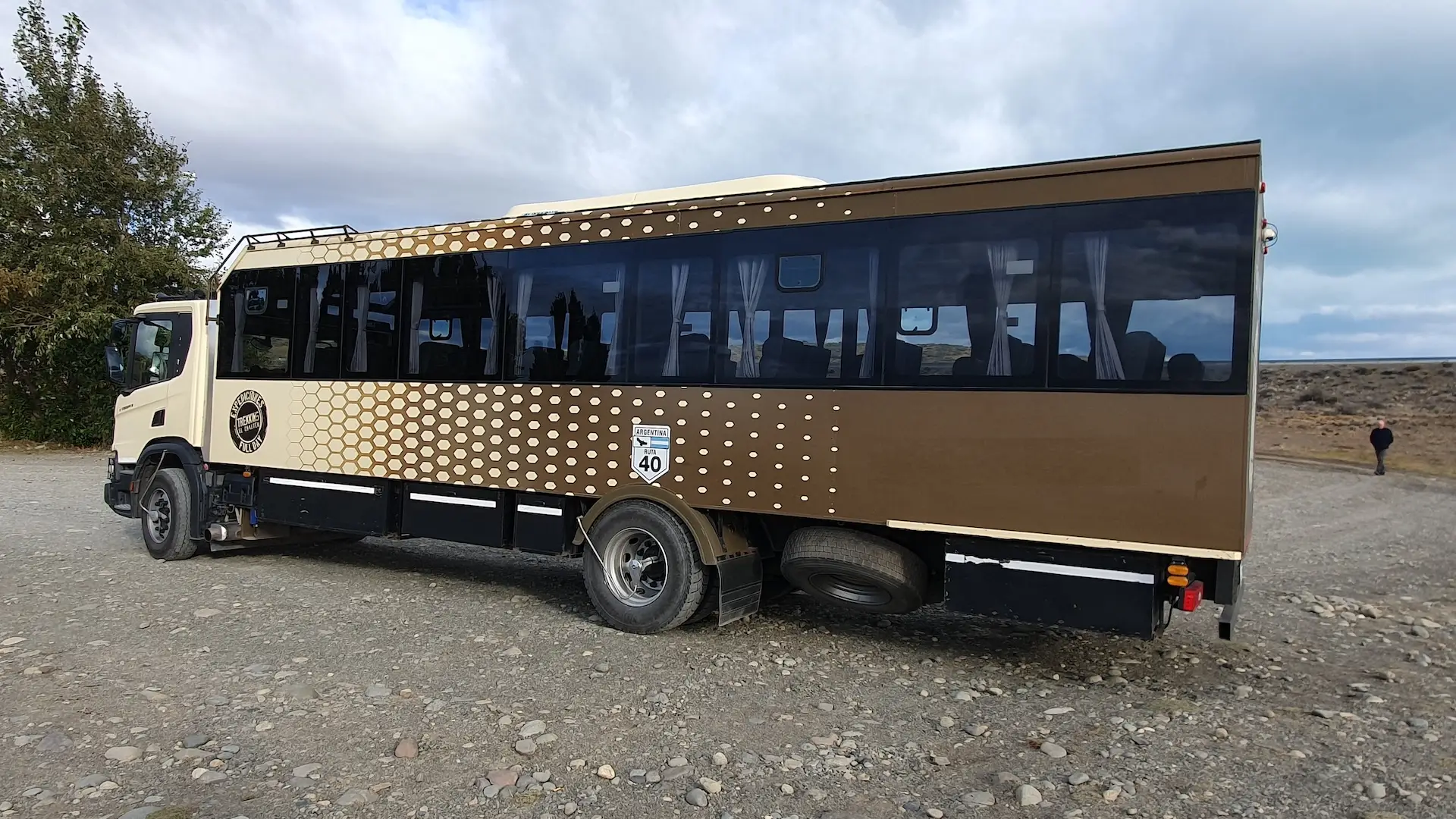
How Many Days Do You Realistically Need in Patagonia?
The short answer is simple: the more time you have, the better your trip is likely to be.
In reality, though, most of us are limited by annual leave, budgets and available flights. That’s why it’s far more useful to understand what you can realistically expect from trips of different lengths than to try seeing all of Patagonia in a single visit.
Below is an overview of the most common trip durations and who each option is best suited for.
| Trip length | Best for | What You Can Realistically Expect |
|---|---|---|
| 7-9 days | Travellers with very limited time | Focus on one region, usually El Calafate & El Chaltén or Torres del Paine & Puerto Natales |
| 10-14 days | A shorter first visit | Patagonia's main highlights with a carefully planned itinerary, but without trying to include too many regions |
| 15-21 days | Travellers who want to explore without rushing | Most of Patagonia's iconic destinations with enough time for activities and flexibility |
| 22+ days | A slower, more comprehensive journey | Opportunity to include the Carretera Austral, Aysén, Ushuaia or additional regions with much greater flexibility |
The length of your trip doesn’t simply determine how many places you’ll visit. It also defines the overall pace of your journey, the amount of time spent travelling, your ability to adapt to changing weather conditions and, ultimately, the quality of your experience at each destination.
If you’re still planning your itinerary, we also recommend reading our guide How to Plan the Perfect Patagonia Route, where we explain why the order of destinations can be just as important as the destinations themselves.
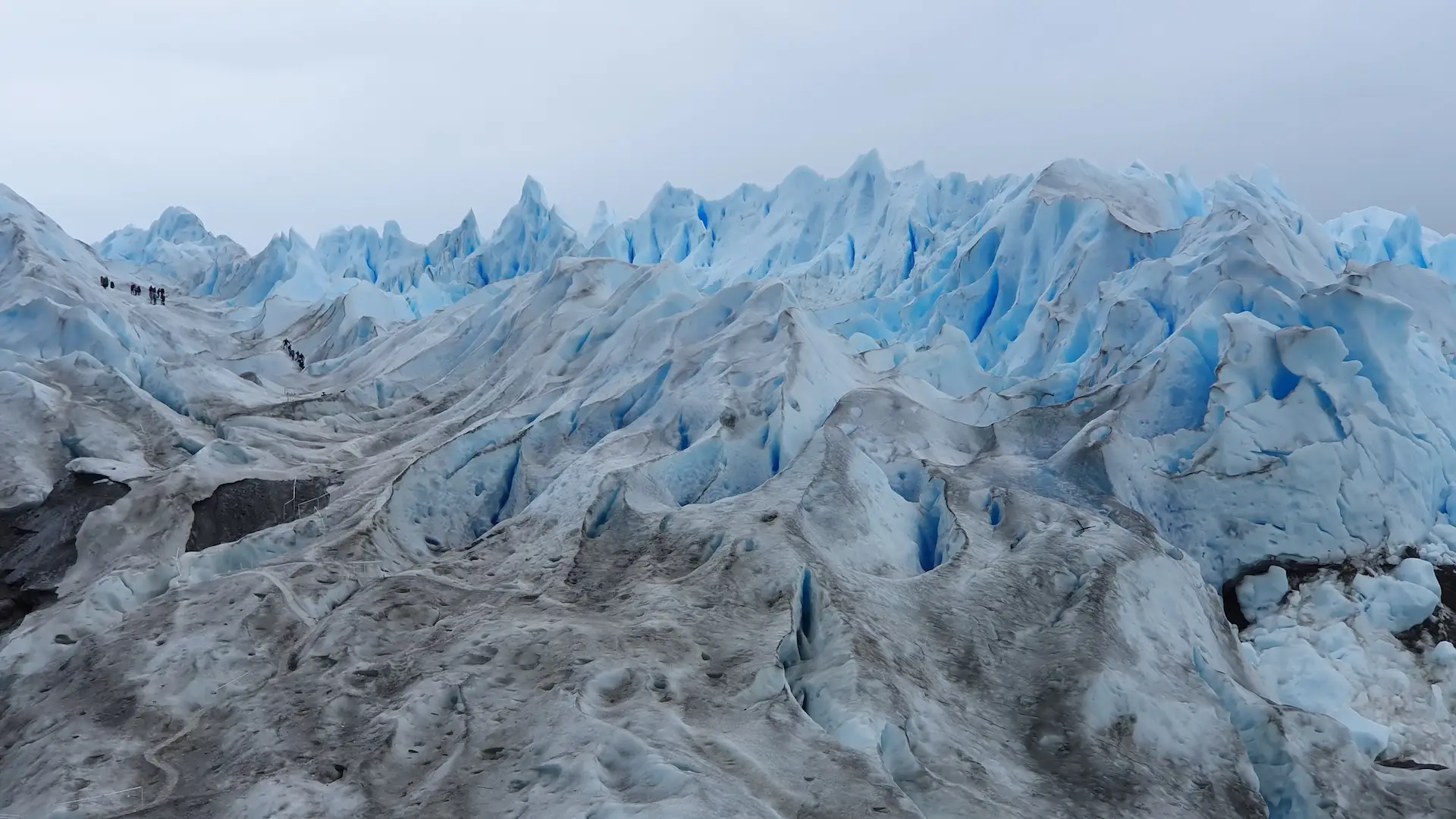
Patagonia in 7–9 Days: Possible, but Only with a Clear Focus
It is possible to visit Patagonia in just one week, but you need to be realistic. Seven to nine days are not enough to “see Patagonia”, they are enough to experience one part of it properly.
For a trip of this length, the best approach is to choose a single region instead of trying to combine several distant destinations.
Examples of realistic short itineraries include:
- El Calafate and El Chaltén
Perito Moreno Glacier, Fitz Roy and a few days of hiking - Puerto Natales and Torres del
- Paine National Park
- Ushuaia and Tierra del Fuego National Park
What we would not recommend is trying to include both Argentina and Chile, along with several major destinations, in just seven or eight days. It may look possible on paper, but in reality you’ll spend far too much time on transfers.
For shorter trips, one simple rule applies: It is always better to explore one region well than three regions in a rush.
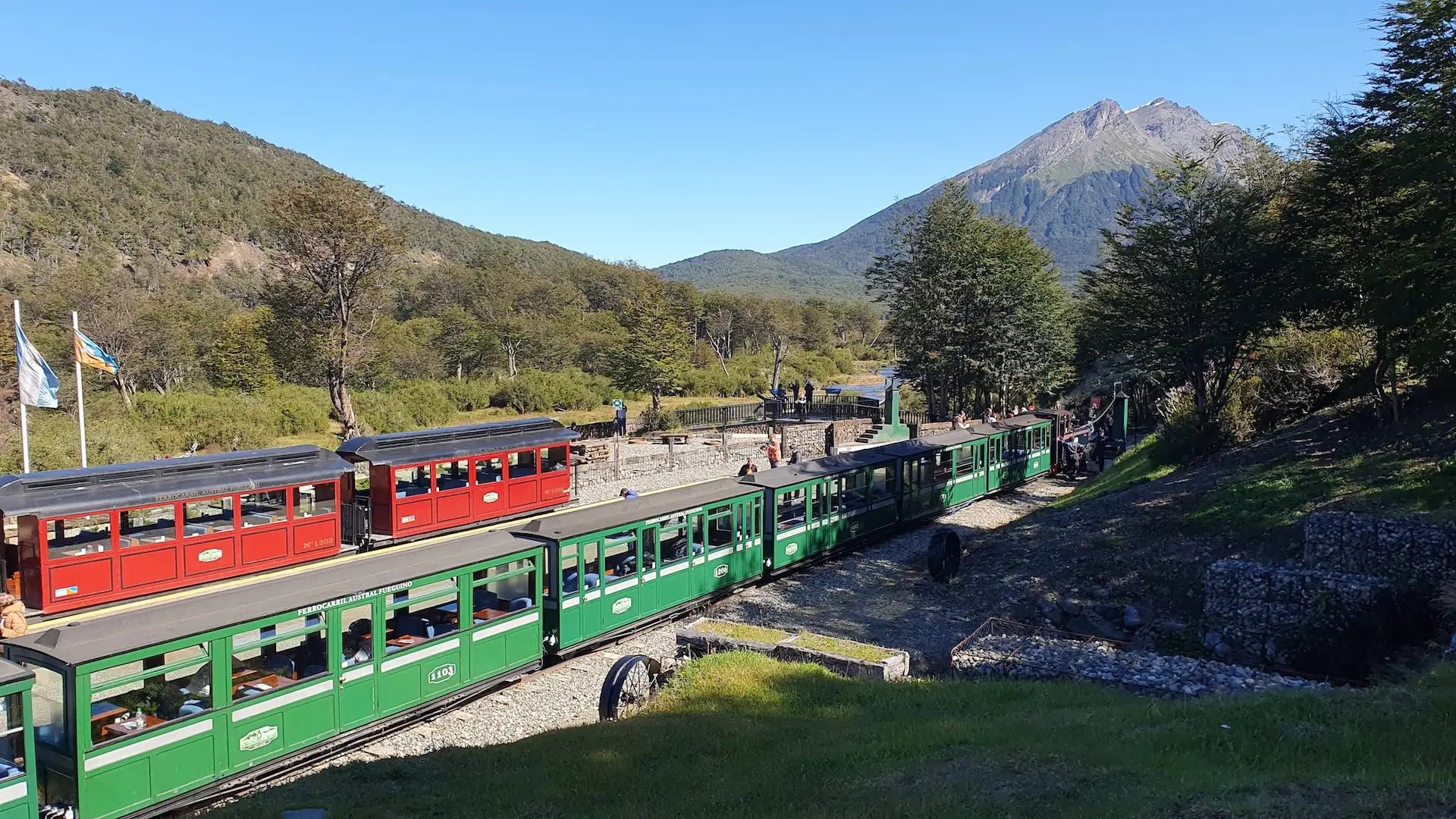
Patagonia in Two Weeks: A Great Framework for Your First Trip
If we had to recommend the minimum length for a well-rounded first trip to Patagonia, it would be 10 to 14 days.
That said, there is a significant difference between a 10-day and a 14-day itinerary, even if they appear similar at first glance.
Ten days can work if you carefully choose your destinations and avoid trying to fit in too much. Fourteen days, however, allow for a much more comfortable pace, more time for activities, and at least a little flexibility if the weather changes your plans.
Within this timeframe, most travellers can comfortably combine highlights such as:
- El Calafate and Perito Moreno Glacier
- El Chaltén and the Fitz Roy hiking area
- Puerto Natales and Torres del
- Paine National Park selected transfers between Argentine and Chilean Patagonia
With a well-planned itinerary, it is entirely possible to experience both sides of Patagonia. However, there is usually little room for additional regions such as Ushuaia, Aysén or the Carretera Austral. As always, everything depends on flight schedules, the season and your preferred mode of transportation.
For a first visit, this is an excellent option, as long as you accept that you won’t see everything. And that’s perfectly fine. Patagonia isn’t the kind of destination you “complete” in a single trip.
If you are still unsure which destinations to include in your itinerary, we recommend reading our guide The Most Beautiful Places in Patagonia, where we present an overview of the places most worth visiting, based on our experience and explain what makes each location special.
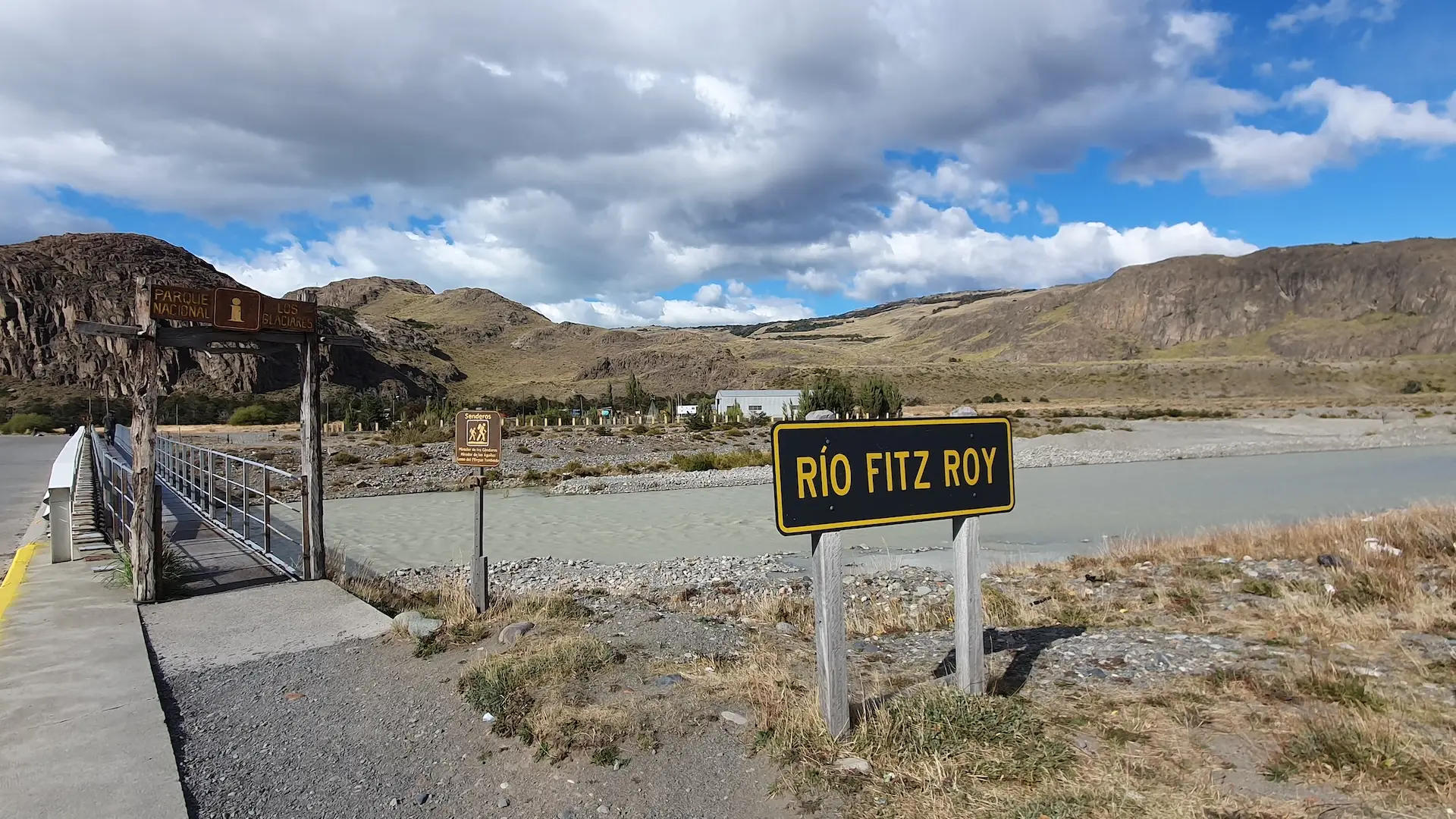
Two to Three Weeks: The Best Balance Between Time and Experience
Once you have 15 days or more, Patagonia starts to reveal what makes it so special.
You no longer need to optimise every hour of the day or move to a new hotel every morning. Instead, you have enough time to stay an extra day if the weather isn’t ideal, slow down your pace, or simply give each destination the time it deserves.
For most travellers who want to combine Argentine and Chilean Patagonia, 15 to 21 days offer the best balance between time invested and overall experience.
Within this timeframe, you can comfortably include:
- El Calafate and Perito Moreno Glacier
- El Chaltén and the Fitz Roy hiking trails
- Torres del Paine National Park and Puerto Natales
- Aysén or another additional region, depending on your route
- extra buffer days for weather and activities
- a slower pace without constantly rushing from place to place
These are the trips where many of the most memorable moments happen, not only at famous landmarks, but also during quiet mornings overlooking the mountains, longer walks without checking the clock, spontaneous photo stops, waiting for the perfect light, or simply staying an extra day somewhere because it feels right.
In most cases, longer itineraries also mean less stress, fewer logistical challenges and significantly more time spent enjoying Patagonia instead of travelling between destinations.
If you’re wondering how much a trip of this length typically costs, we’ve covered it in detail in our guide How Much Does a Trip to Patagonia Cost?
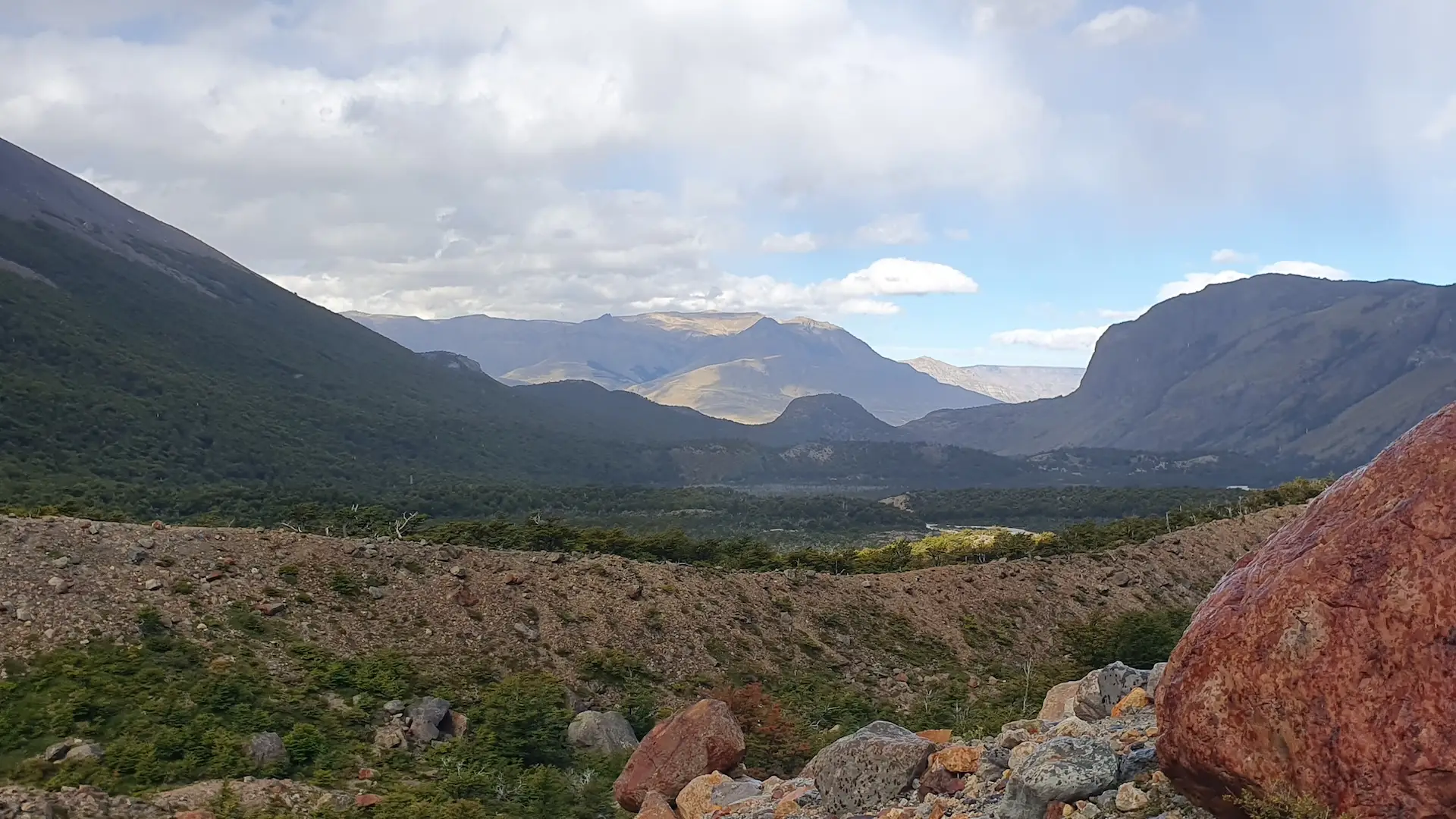
Patagonia in Three Weeks or More: For Travellers Who Want the Bigger Picture
If you have three weeks or more, you can start thinking beyond Patagonia’s most famous highlights.
This amount of time allows you to include more remote regions, additional activities and enough flexibility to adapt to Patagonia’s unpredictable weather. It also becomes much easier to incorporate destinations such as the Carretera Austral, Aysén, Ushuaia, extra days in Torres del Paine or a slower exploration of El Chaltén and its surrounding trails.
This is an ideal option for travellers who want more than just the classic itinerary. Patagonia isn’t a single destination, it’s a collection of dramatically different landscapes and experiences. The more time you have, the easier it becomes to connect them without feeling constantly rushed.
Of course, a longer trip also requires a larger budget, more planning and careful coordination of accommodation, transportation and activities. More days do not automatically mean a better trip if the itinerary itself isn’t well designed.
But when it is, three weeks or more provide exactly what Patagonia rewards the most: time, flexibility and the freedom to truly experience the region.
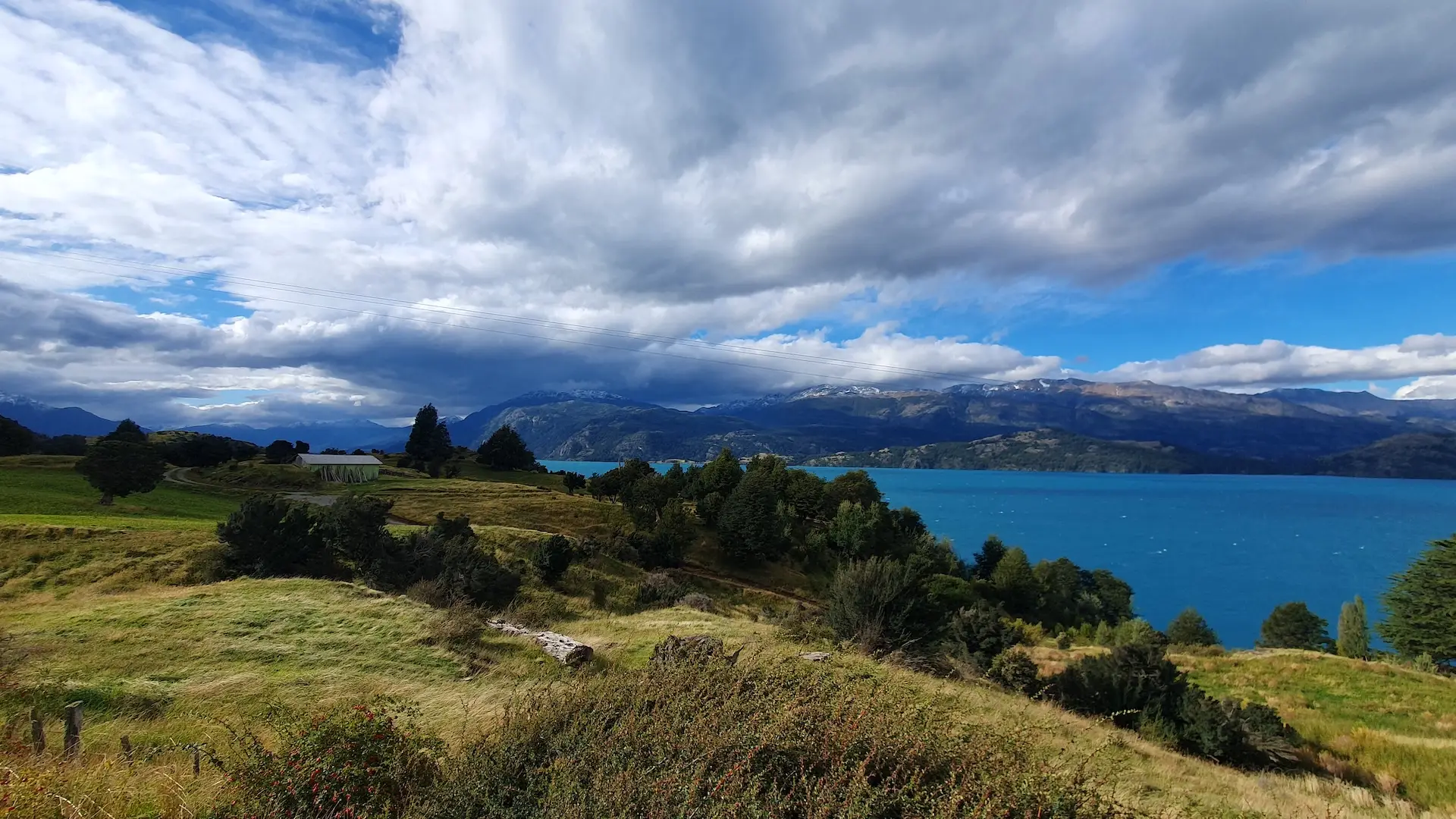
Recommended Time for Each Destination
If you’re planning your own itinerary, the following overview can help you decide how much time to allocate to Patagonia’s most popular destinations.
| Destination | Recomended stay | Why? |
|---|---|---|
| El Calafate | 2-3 days | Enough time for Perito Moreno Glacier, plus an optional excursion or a more relaxed pace. |
| El Chaltén | 3-4 days | Ideal for hiking, unpredictable weather and increasing your chances of seeing Fitz Roy in clear conditions. |
| Torres del Piane / Puerto Natales | 3-5 days | Depending on your hiking plans and whether you stay inside or outside the national park. |
| Ushuaia | 2-4 days | Perfect for Tierra del Fuego National Park, the Beagle Channel, Martillo Island or simply slowing down at the southern tip of South America. |
| Carretera Austral / Aysén | 5+ days | Because of long distances, remote locations, road conditions and the need for a flexible schedule. |
These recommendations should be viewed as a minimum guideline rather than a maximum stay. If you have the opportunity to spend an extra day in places like El Chaltén or Torres del Paine, it is rarely time wasted, in fact, those additional days often become the highlight of the entire journey.
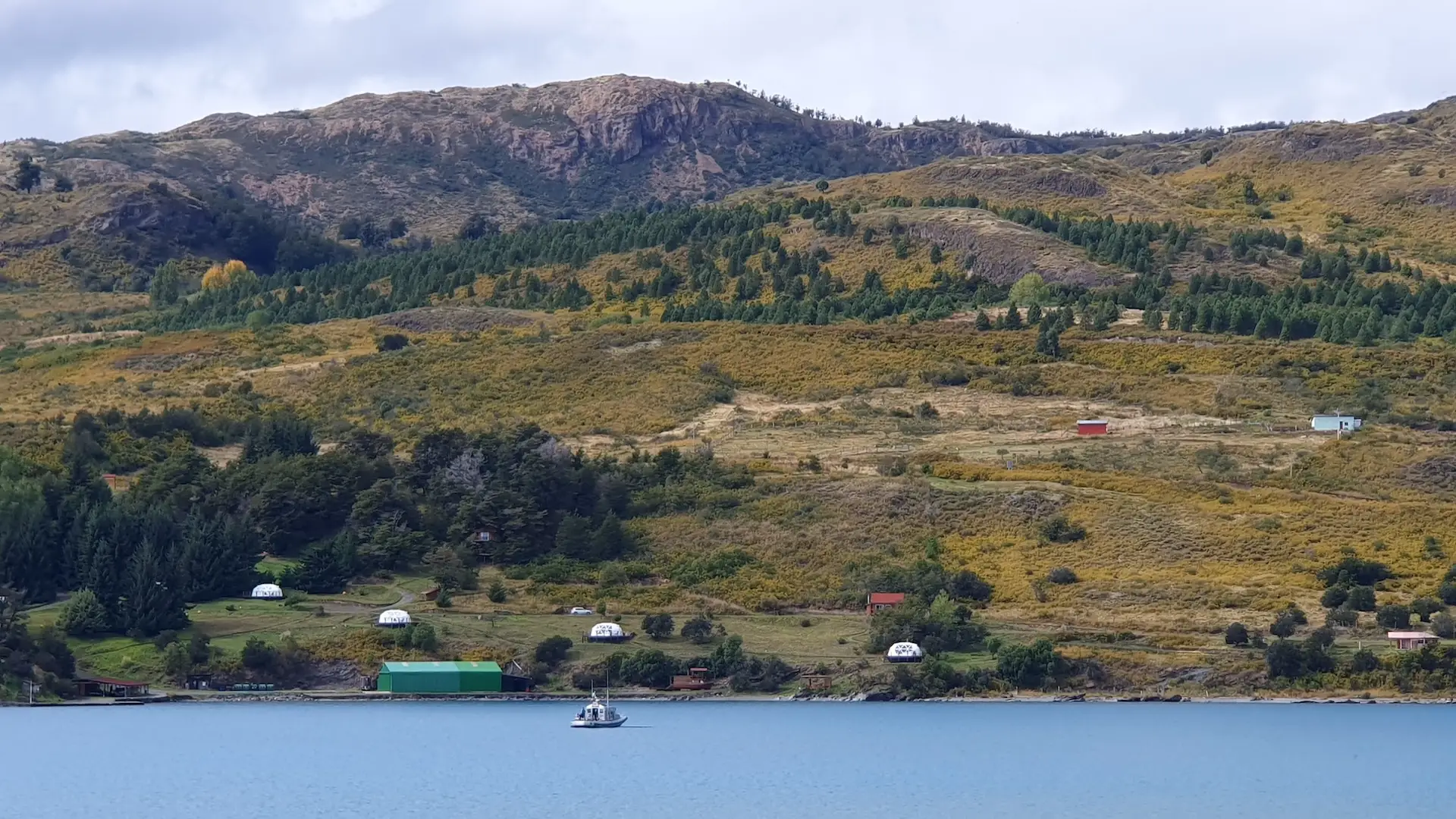
What Our Own Journey Confirmed
Before leaving for Patagonia, we spent a great deal of time deciding how many destinations we could realistically include.
When you’re travelling halfway around the world, it’s completely natural to want to see as much as possible. The challenge is that, in Patagonia, “just one more destination” often means another long transfer, another domestic flight, another hotel, or one less day in the place that actually matters most to you.
Travelling through the region confirmed something we now consider one of the most valuable planning lessons: Setting priorities matters far more than trying to maximise the number of destinations.
It’s not about travelling slowly for the sake of it. It’s about giving your itinerary enough space for the experiences you truly want, while also allowing for the things you simply can’t control like weather, long distances, transportation schedules and the real pace of travelling across Patagonia.
Today, when planning Patagonia itineraries, we don’t ask ourselves how many places can technically fit into the schedule.
Instead, we ask a much more important question:
Will this still be an enjoyable journey once you add the transfers, waiting times, domestic flights, border crossings and the flexibility Patagonia inevitably requires?
If you have to choose between adding one more destination or spending more time in the places that matter most, Patagonia will almost always reward you for choosing more time.
Not because ambitious itineraries are a bad idea, but because this is a region that simply works better when you leave yourself a little room to breathe.
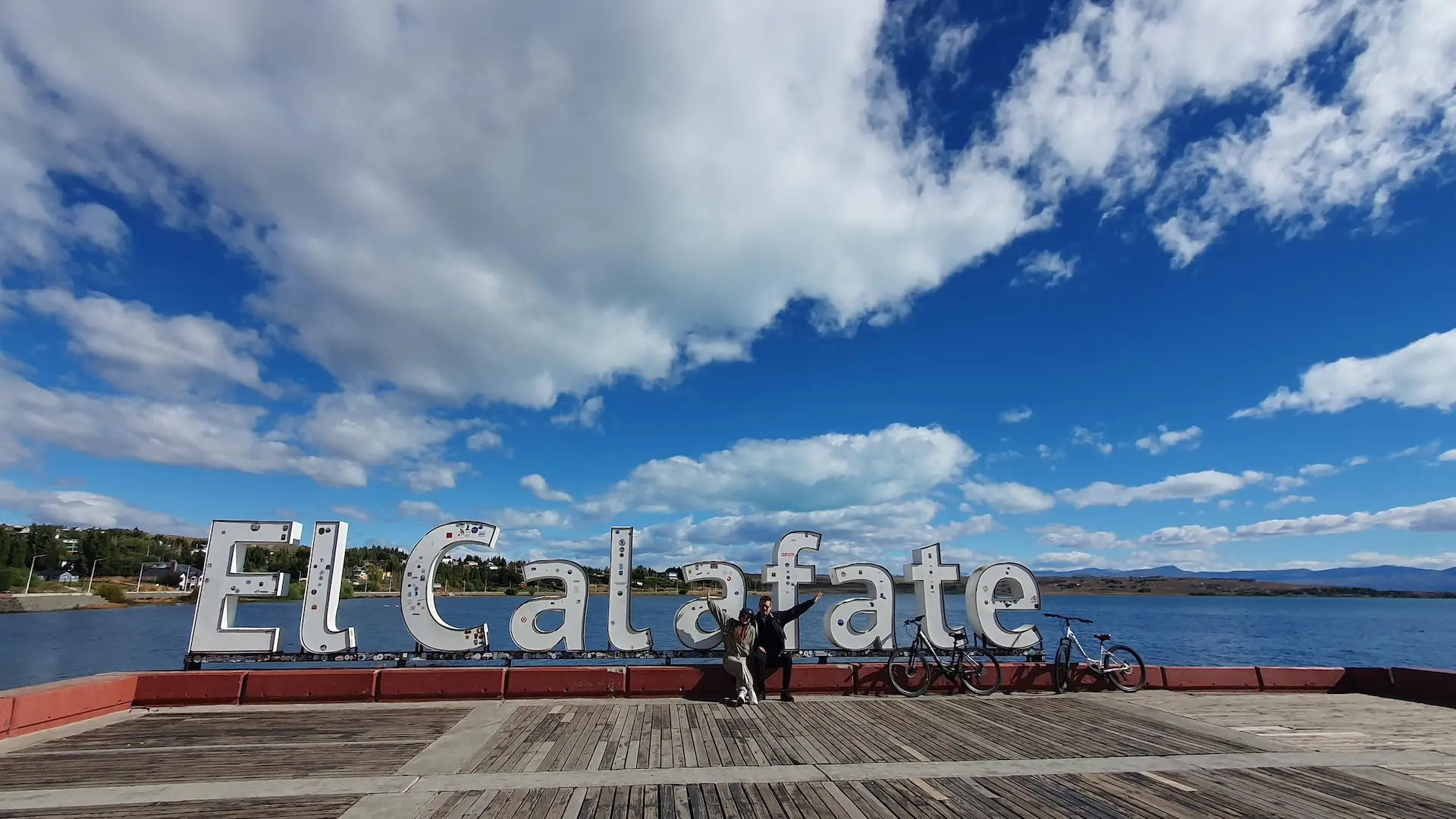
The Most Common Mistakes When Deciding How Long to Stay in Patagonia
One of the biggest mistakes isn’t necessarily having too few days, it’s having unrealistic expectations about what can be achieved within the time you have.
Travellers often try to:
- explore all of Patagonia in just one week
- change accommodation every day
- underestimate the distances between destinations
- include too many locations in too little time
- plan every day without allowing for changing weather conditions
- overlook how much time is spent on transfers, border crossings and domestic flights
An itinerary like this often means spending more time in a car, on a bus or at an airport than actually enjoying Patagonia’s landscapes.
The biggest cost of this kind of planning isn’t always financial.
More often, it’s the experience you miss.
After all, if you’ve travelled all this way to see dramatic mountains, glaciers, lakes, wildlife and Patagonia’s incredible sense of space, it makes little sense to spend most of your trip looking at them through a vehicle window.
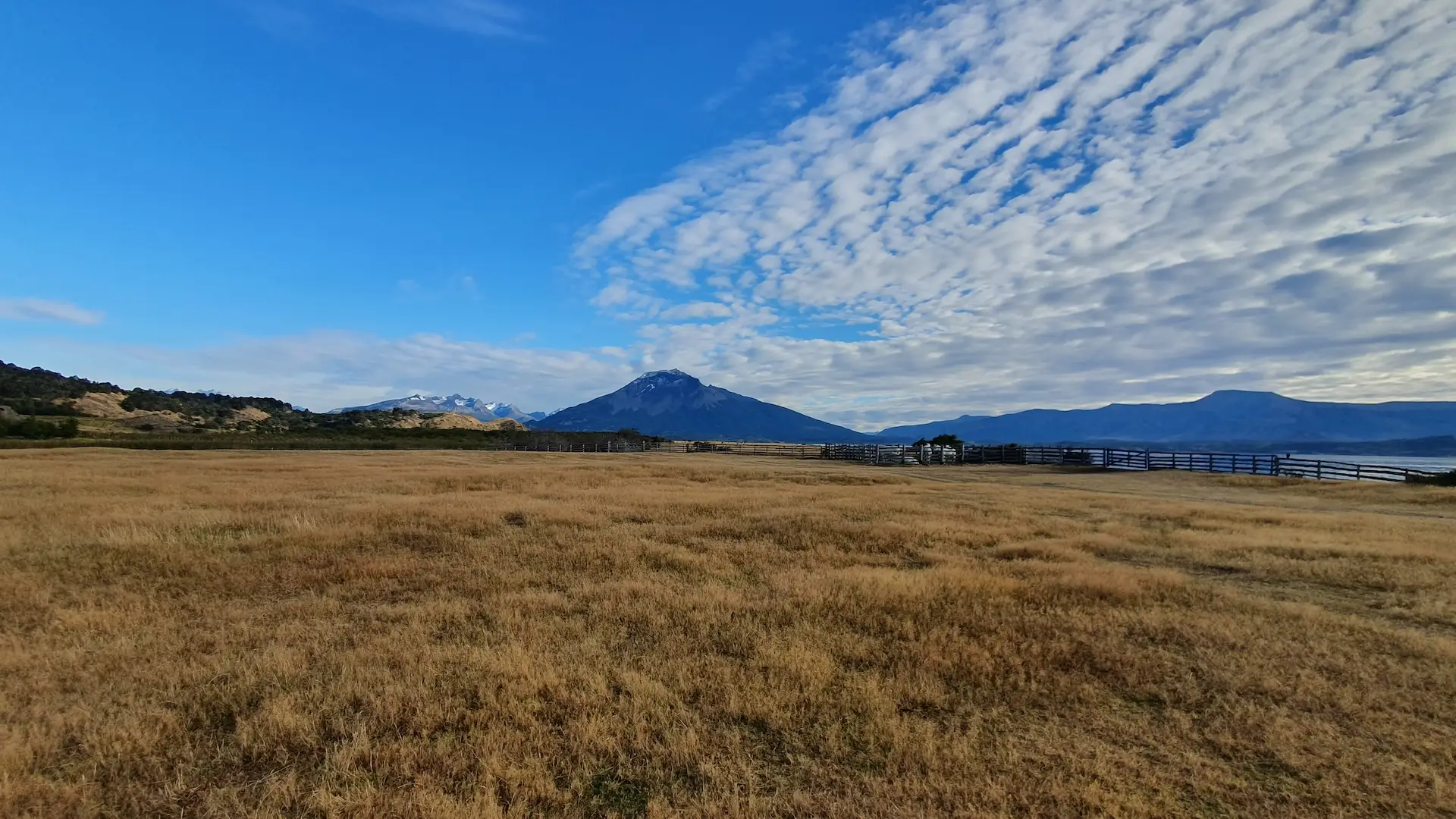
How Many Days Would We Recommend After Experiencing Patagonia Ourselves?
After travelling extensively through Patagonia ourselves, the answer to the question in this guide is much clearer than it was before we left.
If this is your first trip to Patagonia, we recommend planning at least 14 days.
If you have the flexibility, 18 to 20 days will provide a much more relaxed and rewarding experience, especially if you want to combine both Argentine and Chilean Patagonia.
This amount of time allows you to visit Patagonia’s most famous destinations without constantly rushing, gives you enough flexibility for unpredictable weather and lets you genuinely experience the places that make people travel to the end of the world.
That doesn’t mean shorter trips aren’t worthwhile.
If you only have seven or ten days, it’s far better to explore one region properly than to rush through most of Patagonia.
In most cases, a slower pace creates a much more memorable journey than an overloaded itinerary.
Ultimately, the number of days alone doesn’t determine the quality of your trip.
What matters much more is how well your route is planned, whether you’ve realistically estimated travel times, and whether you’ve left enough flexibility for the moments when nature decides to change your plans.
And in Patagonia, that’s rarely a question of if. It’s a question of when.
Frequently Asked Questions About How Long to Spend in Patagonia (FAQ)
How many days do I need for my first trip to Patagonia?
For most travellers, we recommend at least 14 days, while 18 to 20 days provide a much more comfortable experience if you want to explore both Argentine and Chilean Patagonia without constantly rushing.
Can you visit Patagonia in one week?
Yes, but only a small part of it. Seven to nine days are enough to explore one region properly, such as El Calafate and El Chaltén or Torres del Paine National Park, but not enough to experience Patagonia as a whole.
Is 10 days enough for Patagonia?
Ten days can work well for a first trip if you carefully choose your destinations and avoid trying to include too much. In most cases, you’ll have a much better experience by visiting fewer places at a more comfortable pace.
How many days should I spend in El Chaltén?
We recommend 3 to 4 days.The weather changes quickly, and if you’re planning to hike to Fitz Roy, having more than one opportunity for clear conditions makes a significant difference.
How many days do I need for El Calafate and Perito Moreno Glacier?
Most travellers spend 2 to 3 days in El Calafate. This is usually enough to visit Perito Moreno Glacier while also leaving time for an additional excursion or a more relaxed schedule.
How many days should I spend in Torres del Paine?
We recommend 3 to 5 days for Torres del Paine and Puerto Natales. The ideal length depends on whether you’re planning a short visit, day hikes or one of the park’s multi-day trekking routes.
How many days should I allow for Ushuaia?
Plan for 2 to 4 days. If you’d like to visit Tierra del Fuego National Park, cruise the Beagle Channel or take a trip to Martillo Island, it’s worth staying longer than the minimum.
How many days do I need for the Carretera Austral and Aysén?
For the Carretera Austral and the Aysén region, we recommend at least 5 days, and often more. Long distances, limited infrastructure, road conditions and unpredictable weather all influence how quickly you can travel.
Is it worth staying longer in one place?
Absolutely. In Patagonia, it’s almost always better to spend one extra day in the right destination than to squeeze another stop into your itinerary. That additional day usually provides more flexibility, a richer experience and significantly less stress.
Planning Your Patagonia Trip?
Choosing how many days to spend in Patagonia is only one part of planning a successful journey.
Your route, flight schedule, travel distances and enough flexibility to take advantage of good weather are just as important.
If you’re still in the planning stage, we also recommend reading the other guides in our Patagonia series:
Each guide covers a different aspect of planning and together they form a complete resource to help you organise your trip while avoiding the most common mistakes.
If you’d like help planning your itinerary, choosing the ideal trip length, booking flights and accommodation, or organising your entire journey through Argentina and Chile, feel free to get in touch.
We’ll be happy to help you create a Patagonia itinerary tailored to your available time, budget and the way you want to experience one of the world’s most extraordinary regions.