The Most Beautiful Places in Patagonia Worth Including in Your Journey
19/06/2026When is the best time to visit Patagonia? – A guide to Seasons, Weather and Travel Conditions
08/07/2026
How to Plan a Route Through Patagonia?
Share on social networks:
Planning a route through Patagonia is one of the biggest challenges travelers face when they start organizing their trip. At first glance, everything seems simple: open a map, mark the most famous locations, and try to connect them into one logical itinerary.
The problem is that Patagonia rarely works the way it looks on a map.
This is a huge and remote region stretching across Argentina and Chile, where logistics often play just as important a role as the destinations themselves. Distances are enormous, transport connections are limited, weather conditions are unpredictable, and crossing from one country to another is not always as straightforward as it appears on a screen.
If you have already read our guide “Traveling to Patagonia” and our article about the costs of traveling to Patagonia, you already have a better understanding of how unique this region is. However, the route itself is often what determines whether your trip becomes a smooth and unforgettable experience or a constant series of transfers, waiting, and last-minute adjustments.
And Patagonia is far too impressive to experience only through logistics.
Why Google Maps Is Not Enough for Planning Patagonia
Google Maps is usually the first step when planning any trip, but in Patagonia it can create a misleading picture. Many locations appear much closer on the map than they actually are, and estimated travel times do not always consider the real conditions you will face on the ground.
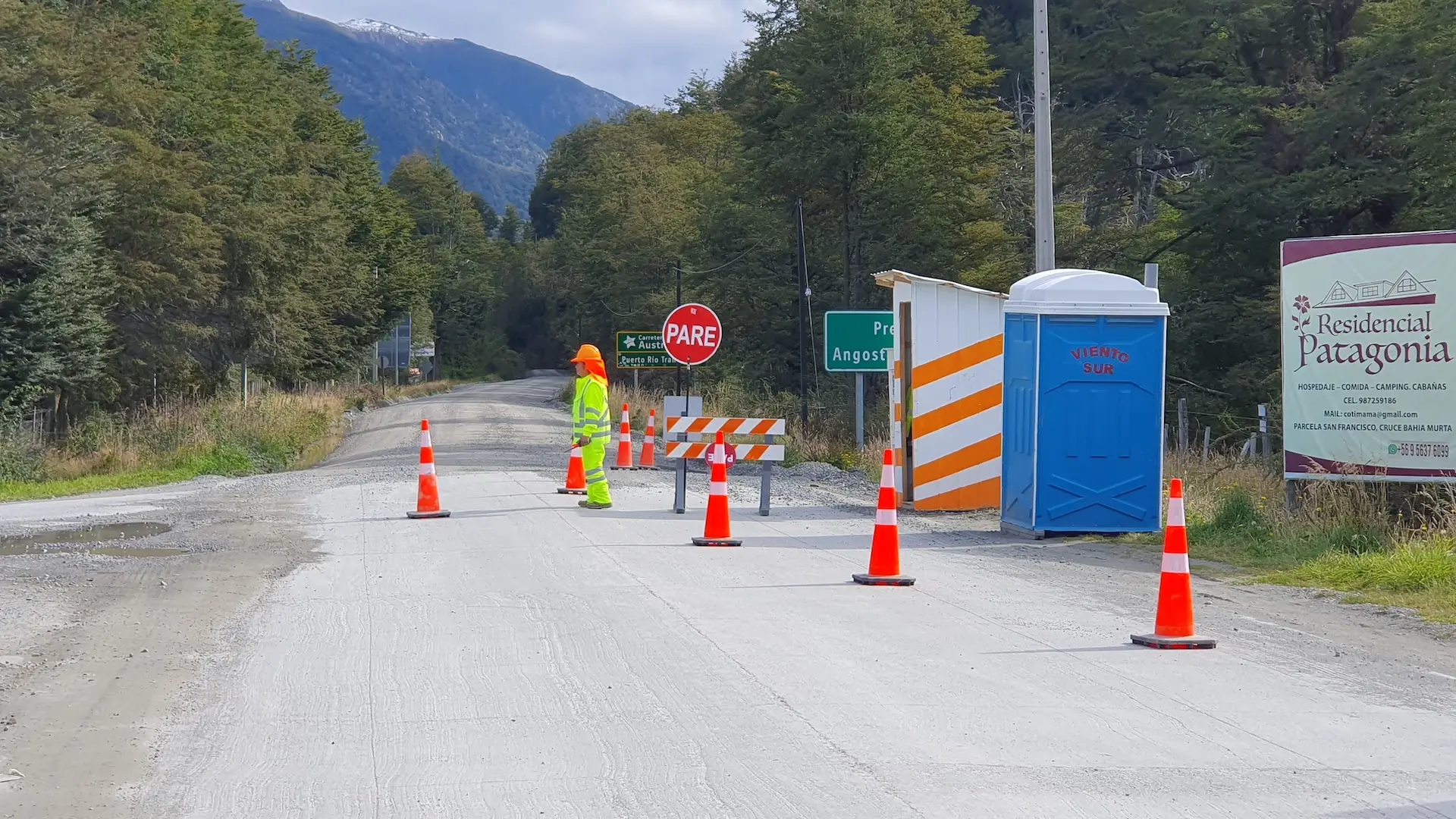
Roads can turn into gravel, weather can slow down your journey, some sections may be affected by construction, and crossing the border between Argentina and Chile can take much longer than expected.
Distances between the most famous locations are often not just a short transfer, they can become a full travel day.
In Patagonia, it is very common that:
- a route that looks simple on the map takes much longer in reality
- one travel day becomes the most complicated part of the itinerary
- certain combinations of destinations require an extra flight, overnight stay, or change of direction
- an efficient-looking plan on paper becomes exhausting once you are there
Google Maps can give you a general idea, but it cannot show the real complexity of traveling through Patagonia.
For Patagonia, a map alone is not enough. You need to understand how the region actually works.
Distances in Patagonia: What the Map Does Not Show
One of the biggest mistakes when planning a Patagonia itinerary is underestimating distances.
The places most travelers want to visit such as Torres del Paine, Perito Moreno Glacier, El Chaltén, Ushuaia, or parts of the Carretera Austral are often hundreds of kilometers apart.
But the challenge is not only the number of kilometers. The real issue is the environment.
A few hundred kilometers in Patagonia are not the same as a few hundred kilometers in Europe. Road conditions, strong winds, limited infrastructure, remote settlements, and long stretches without services completely change the way you experience the journey.
During our own trip, distances were one of the biggest surprises. On the map, everything looked realistic and relatively easy to connect. In reality, we quickly realized that in Patagonia, time is not measured only in kilometers, but also in road conditions, weather, fuel stops, waiting times, and how much time you are realistically willing to spend on the move.
When planning your route, you should consider:
- long stretches without developed infrastructure
- limited fuel stations
- the possibility that some places may temporarily have no fuel available
- gravel and unpaved roads on certain routes
- very few settlements between some destinations
- weather conditions that can significantly slow down travel
Because of this, trying to visit too many places in a short amount of time almost always leads to an overloaded itinerary.
In Patagonia, less often means more. A good route is not the one that includes everything. It is the one that has logic, a realistic pace, and enough time to truly experience each destination.
Weather in Patagonia: The Factor That Can Change Your Entire Route
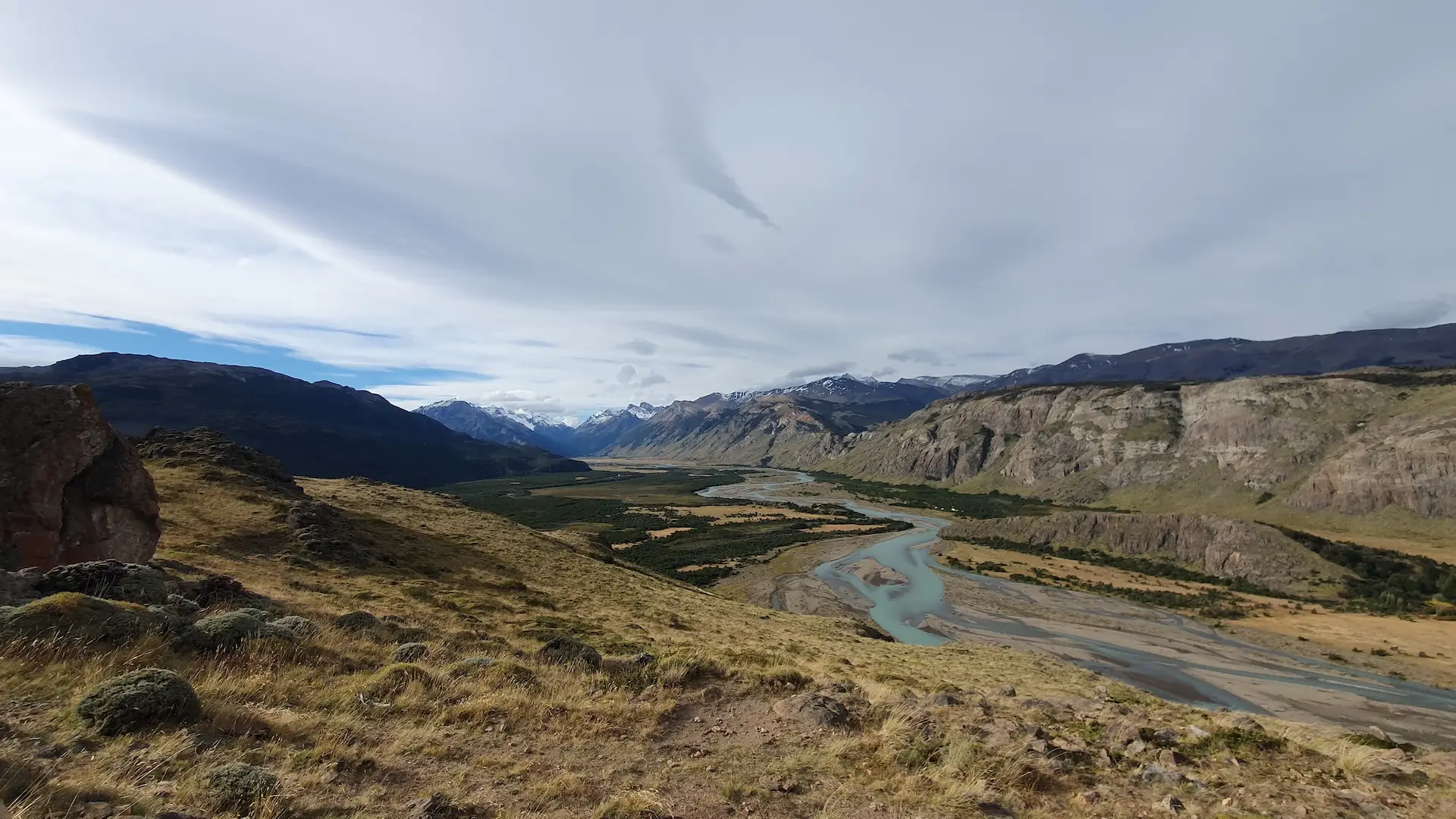
If there is one thing that can completely change your Patagonia itinerary, it is the weather.
This is not a destination where you plan every day down to the last minute and expect everything to happen exactly according to schedule. Weather conditions can change quickly, sometimes with very little warning, and they can directly affect trekking routes, excursions, boat trips, visibility, transfers, and the overall rhythm of your journey.
In a single day, you can experience sunshine, strong winds, rain, clouds, and then completely calm conditions again. Sometimes the landscape opens up at the perfect moment, and sometimes the mountain peak you came to see simply disappears behind the clouds and stays there, almost as if it had a personal agreement with the weather forecast.
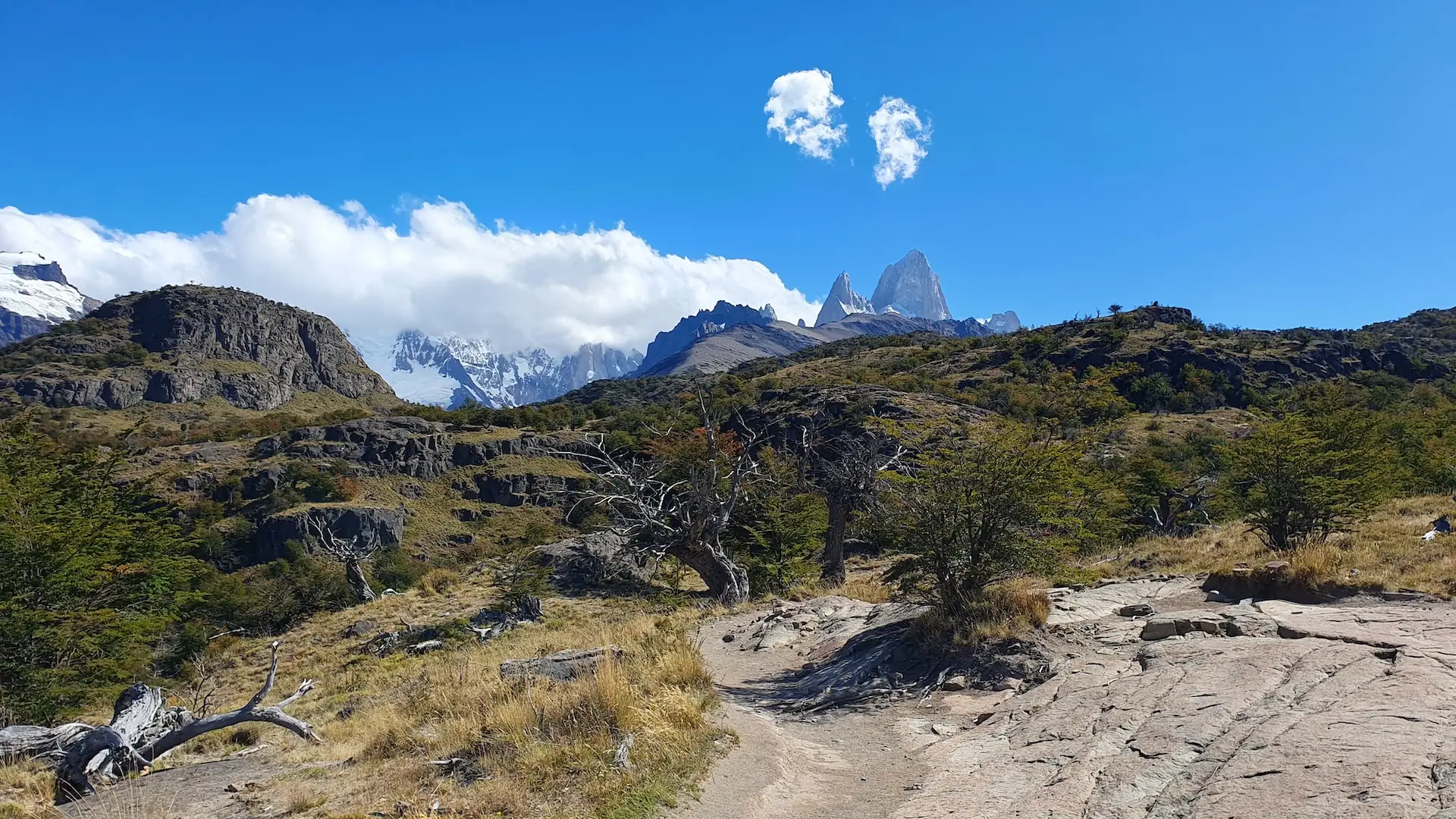
This is especially noticeable in places like Fitz Roy and Torres del Paine, where visibility can completely change the experience. You can be physically in the right place, inside the right national park, after the right hike, but if the weather closes in, the view you came for may simply not appear.
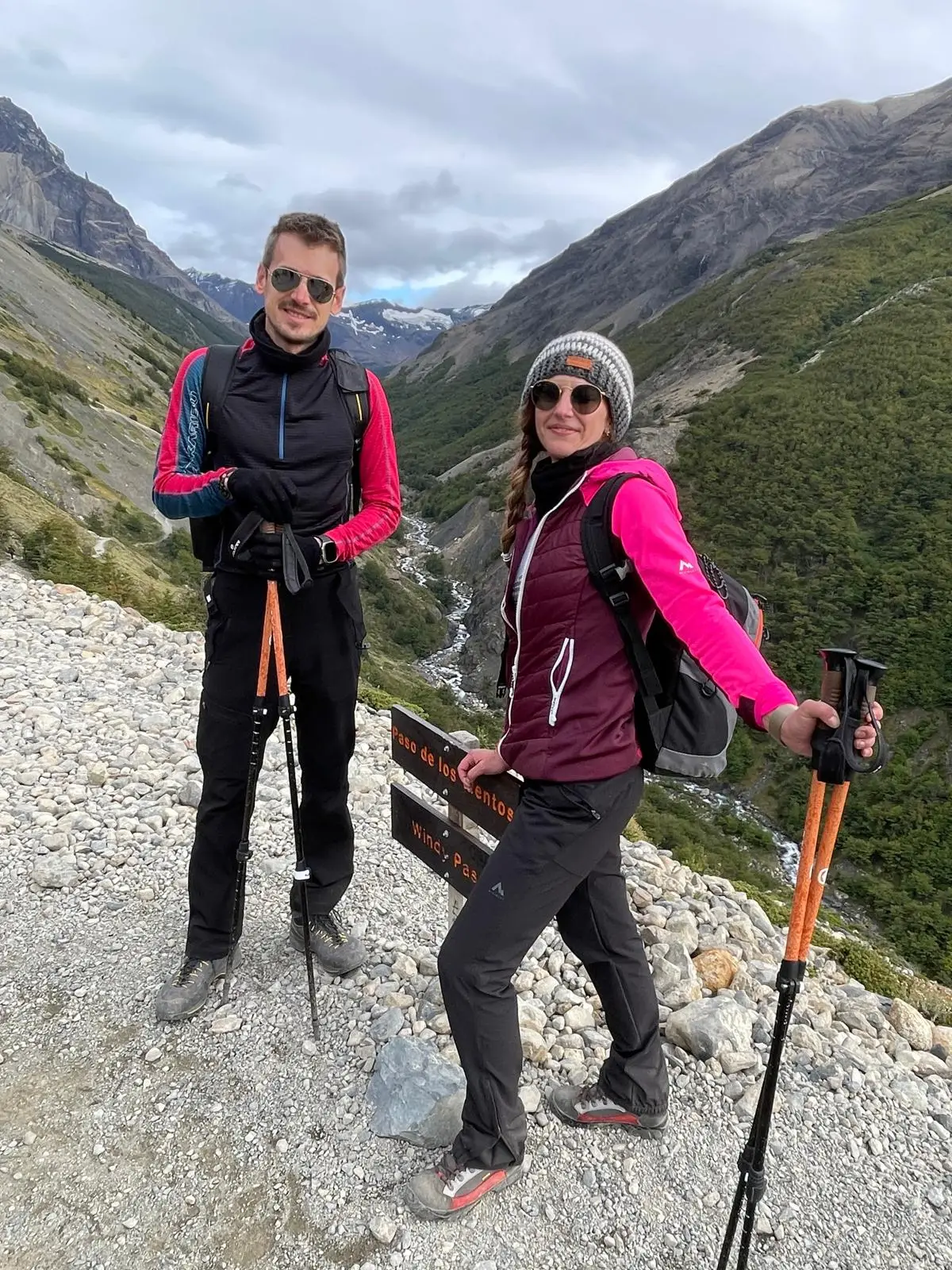
During our own trip, we experienced firsthand how much weather can influence your plans. One planned trekking day had to be cancelled because of severe weather and safety warnings against going into the mountains. The following day, conditions completely changed, and we were rewarded with a view that in Patagonia can never be taken for granted.
That is why it is important to:
- avoid planning every day too rigidly
- leave room for changes
- keep some flexibility in the key regions
- regularly check local weather conditions and alerts
- understand that safety always comes before the schedule
In Patagonia, the best itinerary is not the most precise one, it is the one that can adapt.
Flights in Patagonia: Your Route Should Not Be Based Only on Your Wishlist
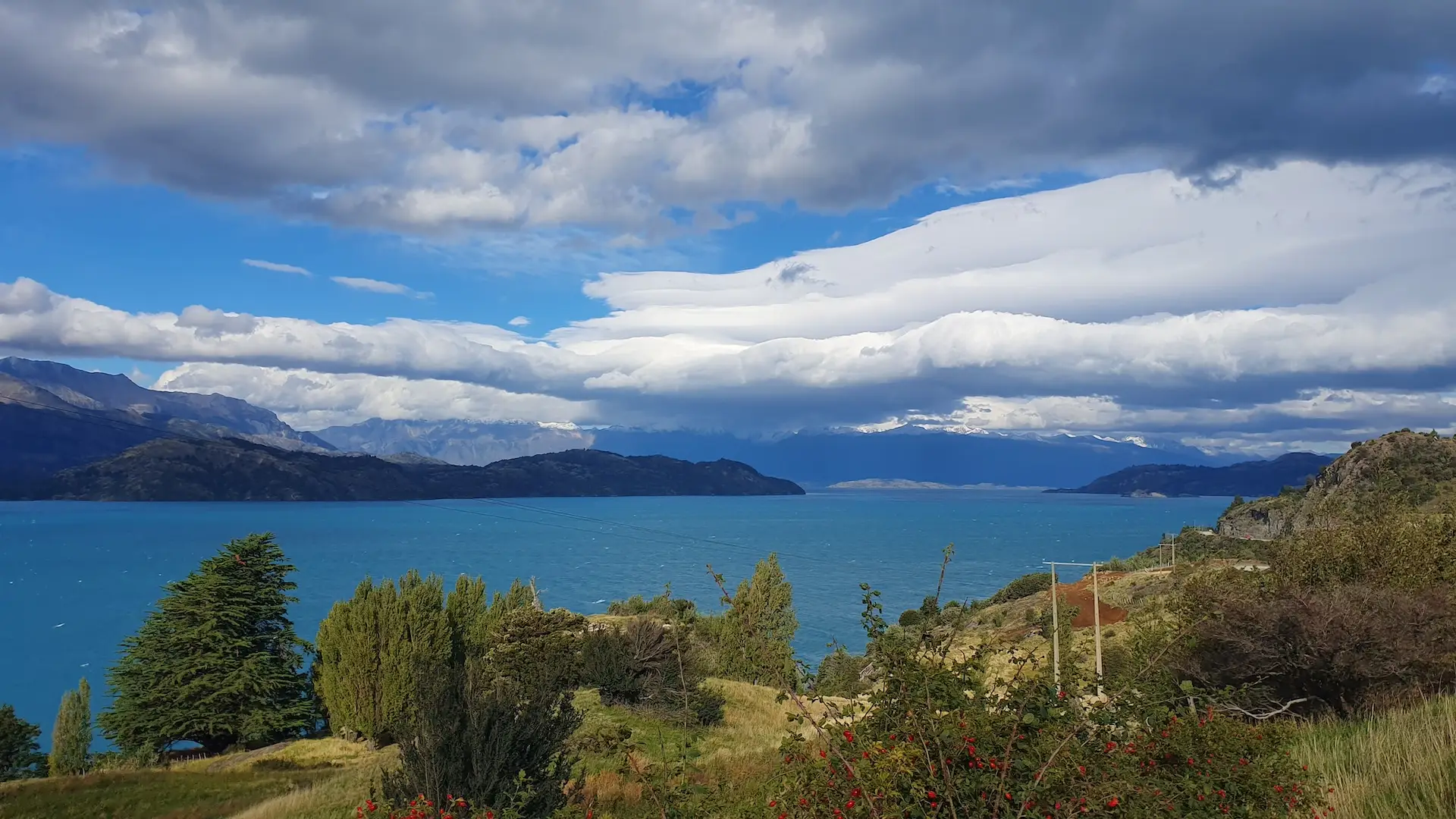
One of the most underestimated parts of planning a Patagonia itinerary is understanding flight connections. This is where many mistakes happen, and those mistakes can later affect the entire structure of the trip.
Unlike Europe, where flights are frequent and flexible, Patagonia has a limited number of air connections. Flights do not always operate every day, some routes depend on the season, and connections between the Argentine and Chilean sides are not always direct.
It is important to understand that towns on the Argentine and Chilean sides of Patagonia are often not connected by direct flights. On the map, they may look relatively close, but in reality, getting from one country to another is often not a simple short flight.
Sometimes you need to return through larger hubs, most commonly Buenos Aires or Santiago, which adds extra travel time, cost, and another layer of logistics.
That is why the order of destinations is not only a matter of personal preference. It is a practical decision that affects the entire trip.
In reality, this means:
- there are not always direct connections between key locations
- flights may not operate every day
- some combinations require returning to larger cities
- a poorly planned route can add unnecessary flights and overnight stays
- choosing the right starting and ending point can significantly change the itinerary
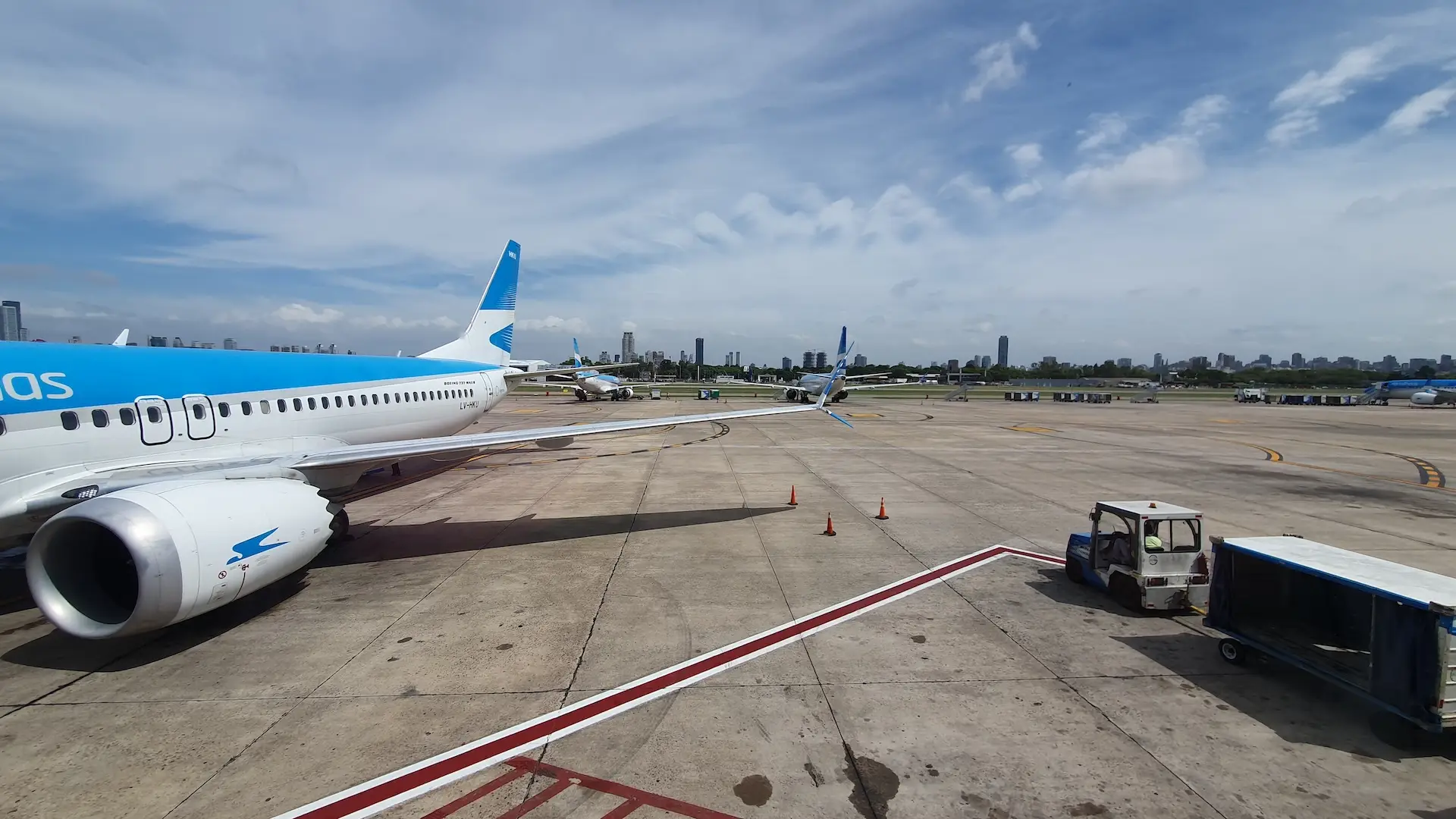
Patagonia does not have one international airport where you simply land from Europe and start exploring the region. Most trips are built through Buenos Aires for the Argentine side or Santiago for the Chilean side, followed by domestic flights and ground transfers further south.
One detail that deserves special attention is Buenos Aires. International flights usually arrive at Ezeiza International Airport, while domestic flights toward Patagonia usually depart from Jorge Newbery Airport (Aeroparque).
The transfer between these two airports depends heavily on traffic and can take much longer than expected. When planning connections, leave enough time, this is not the place where optimistic schedules usually work in your favor.
Crossing Between Argentina and Chile
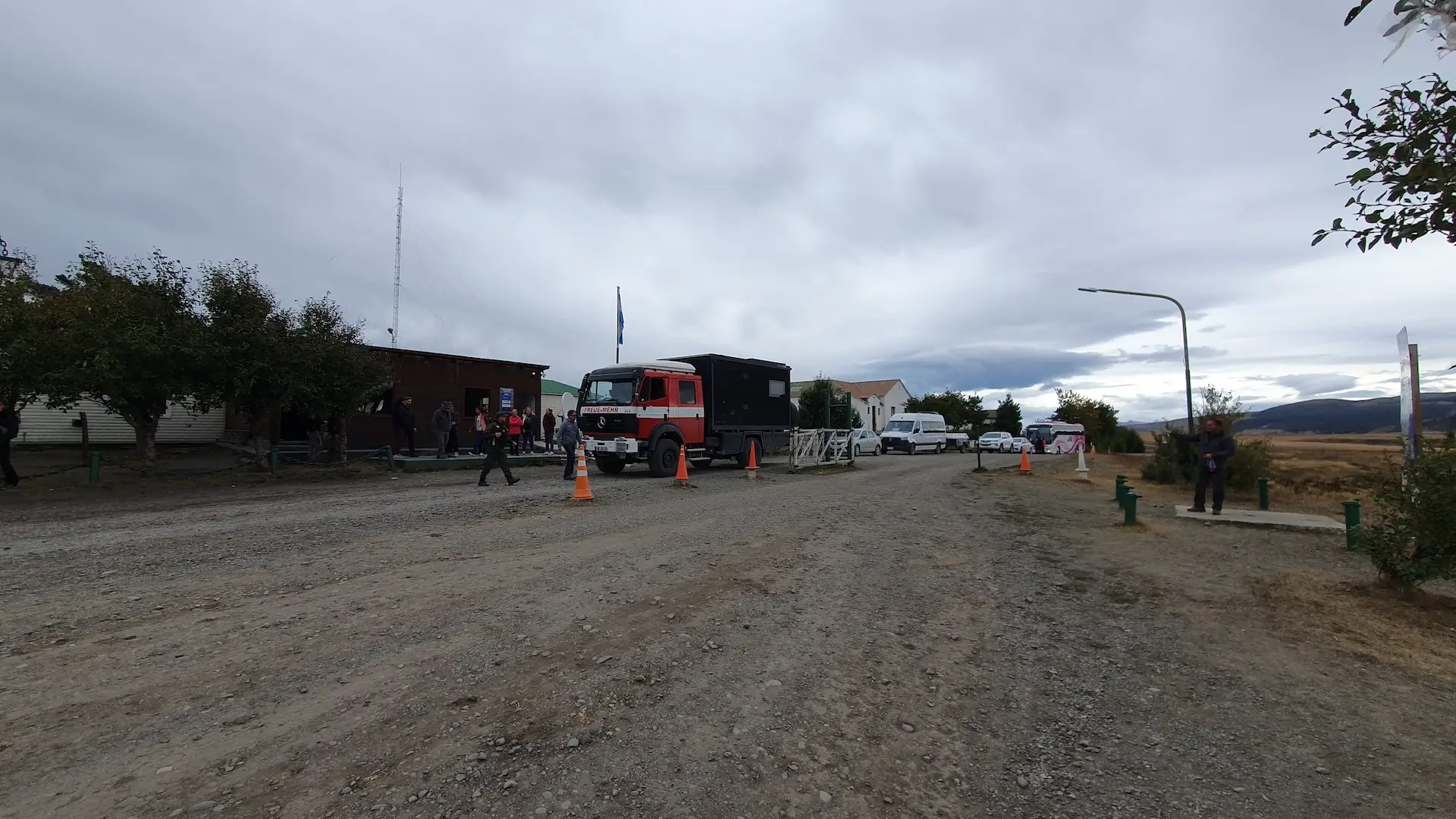
Combining Argentina and Chile usually creates the most complete Patagonia experience, but crossing between the two countries needs to be planned carefully. Many of the most famous locations are spread across both sides of the border, but that does not mean they are easily connected.
A border crossing may involve a ground transfer, waiting time, document checks, luggage restrictions, or rules regarding food and other items. Sometimes everything goes smoothly, while other times the crossing can slow down an entire day.
Before planning this part of your route, it is important to know:
- where you will cross the border
- how long the transfer realistically takes
- whether there is a direct connection between locations
- whether you need to combine flights, driving, and overnight stays
- how the crossing affects the rest of your itinerary
With a well-designed route, crossing the border is not a complication — it becomes a natural part of the adventure. With a poorly designed route, it can easily become one of those travel days you remember for all the wrong reasons.
The Most Common Mistake: Trying to Create the “Perfect” Route
One of the most common mistakes when planning a trip through Patagonia is trying to create the perfect itinerary.
Travelers often want to avoid returning to the same locations, maximize their time, and visit as many places as possible. On paper, that sounds logical. In reality, this approach often creates a route that looks impressive only when you see it written down.
Because of limited connections, long distances, and unpredictable conditions, trying to create the perfect route can result in:
- extremely long travel days
- too many transfers
- too little time at the actual destinations
- a constant feeling of being rushed
- lost days caused by poor connections
- a weaker overall experience
The best Patagonia itineraries are not perfect. They are realistic.
A realistic itinerary means accepting the nature of the destination instead of trying to force it into an ideal schedule.
What Actually Makes a Good Patagonia Itinerary?
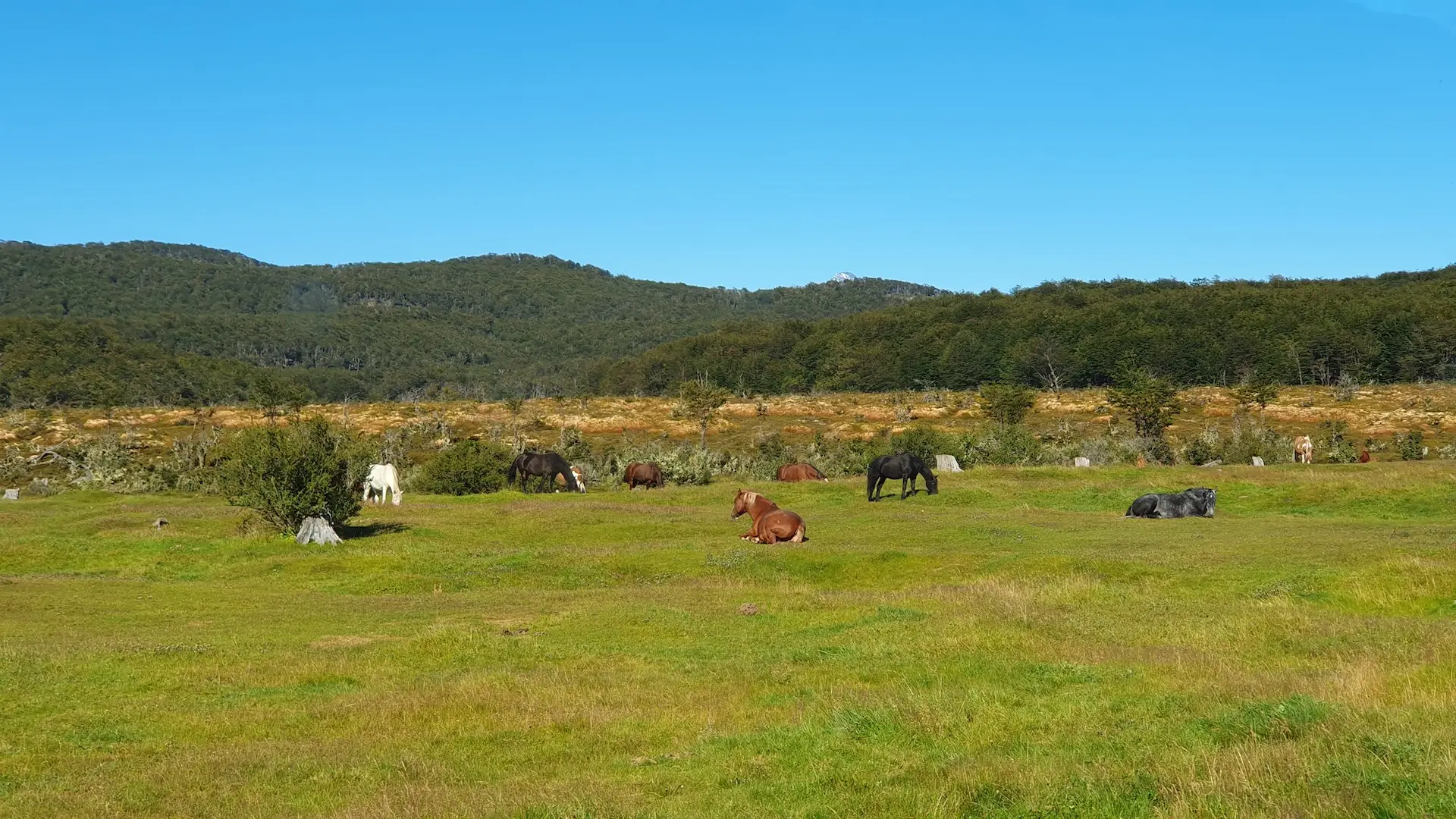
A good Patagonia route does not mean that you have seen everything.
It means you have seen what matters most for your trip and experienced it in the right way.
A well-planned itinerary has a logical flow, a realistic pace, and enough flexibility for changing weather conditions. It takes into account flights, transfers, border crossings, accommodation, activities, and days when you should simply leave some space.
A good Patagonia itinerary:
- has a clear direction of travel
- follows real transportation connections
- includes enough time for each important destination
- leaves room for weather changes
- does not try to include everything at any cost
- combines activities and relaxation at a realistic pace
- considers accommodation availability and seasonal conditions
- connects the Argentine and Chilean sides without unnecessary complications
At first glance, such an itinerary may look simple. But that simplicity usually requires the most planning behind the scenes.
Good logistics are often invisible, but you definitely feel the difference while traveling.
That is the difference between a route that constantly pulls you from one place to another and a route where you actually have enough time to be present in the places you came to experience.
If you want to explore more about what is worth seeing, we also recommend reading our guide to the most beautiful locations in Patagonia, where we highlight the key destinations that are most often included in Patagonia itineraries.
How Many Locations Should You Realistically Include?
When planning Patagonia, it is very easy to fall into the trap of adding just one more location.
One more national park. One more glacier. One more scenic road. One more excursion. The problem is that in Patagonia, “just one more thing” rarely stays small.
Every additional destination means another transfer, more travel time, more logistics, and often more risk if weather conditions change. That is why planning should not only focus on what you want to see, but also on how much time and energy connecting those places will actually require.
For shorter trips, it is usually better to focus on a few key regions and experience them properly rather than trying to cover everything. For longer journeys, combining Argentine and Chilean Patagonia on a wider scale becomes possible, but even then, the itinerary needs a clear rhythm.
Patagonia is not a destination for collecting checkmarks. It is much better when you give it space.
Thinking About How to Put Everything Together?
Planning a route through Patagonia is not only a technical task. It directly affects the quality of your entire journey.
The difference between an average and an exceptional experience is often not the destinations themselves, but the way they are connected.
The same places can feel exhausting, expensive, and complicated if they are poorly arranged or completely natural and enjoyable when the route follows the real logic of the region.
After traveling through a large part of Patagonia ourselves, we realized that good logistics are often what make the biggest difference between a trip full of constant adjustments and a journey where you can truly enjoy everything this region has to offer.
Patagonia is one of the most impressive regions in the world, but also one of the more demanding destinations to organize.
A successful Patagonia trip requires a clear route concept that takes into account everything that is not immediately visible: flights, distances, border crossings, weather, accommodation, activities, and a realistic travel pace.
If you would like a route tailored to your available time, budget, and interests, feel free to contact us for an individual travel assessment and organization options.