How much does a trip to Patagonia cost? (And Why Prices Vary So Much)?
12/06/2026How to Plan a Route Through Patagonia?
26/06/2026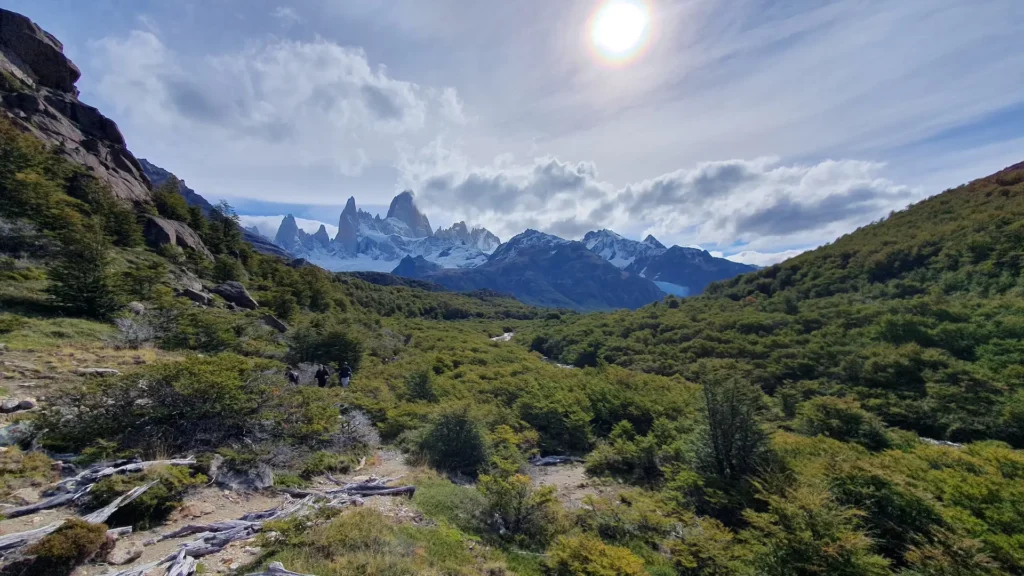
The Most Beautiful Places in Patagonia Worth Including in Your Journey
Share on social networks:
Patagonia is one of the few regions in the world where photographs do not exaggerate. The reality is often even more impressive.
Dramatic mountain peaks, enormous glaciers, turquoise lakes, fjords, endless steppes, and landscapes that seem to stretch beyond the horizon create a sense of space that is becoming increasingly rare to experience today. Everything here is vast, raw, and slightly stubborn. And that is exactly what makes it so special.
However, due to the size and diversity of the region, one of the most common questions when planning a trip is very simple: what is actually worth seeing in Patagonia?
The answer is not the same for everyone. Some travelers will remember Patagonia for its glaciers, others for trekking, some for driving through almost empty landscapes, and others for the feeling of reaching the very edge of the continent.
Below, we present the locations that most often form the backbone of a Patagonia journey, together with a few practical insights that can make a real difference once you are there.
Argentine Patagonia
Perito Moreno Glacier: A Natural Force in Motion
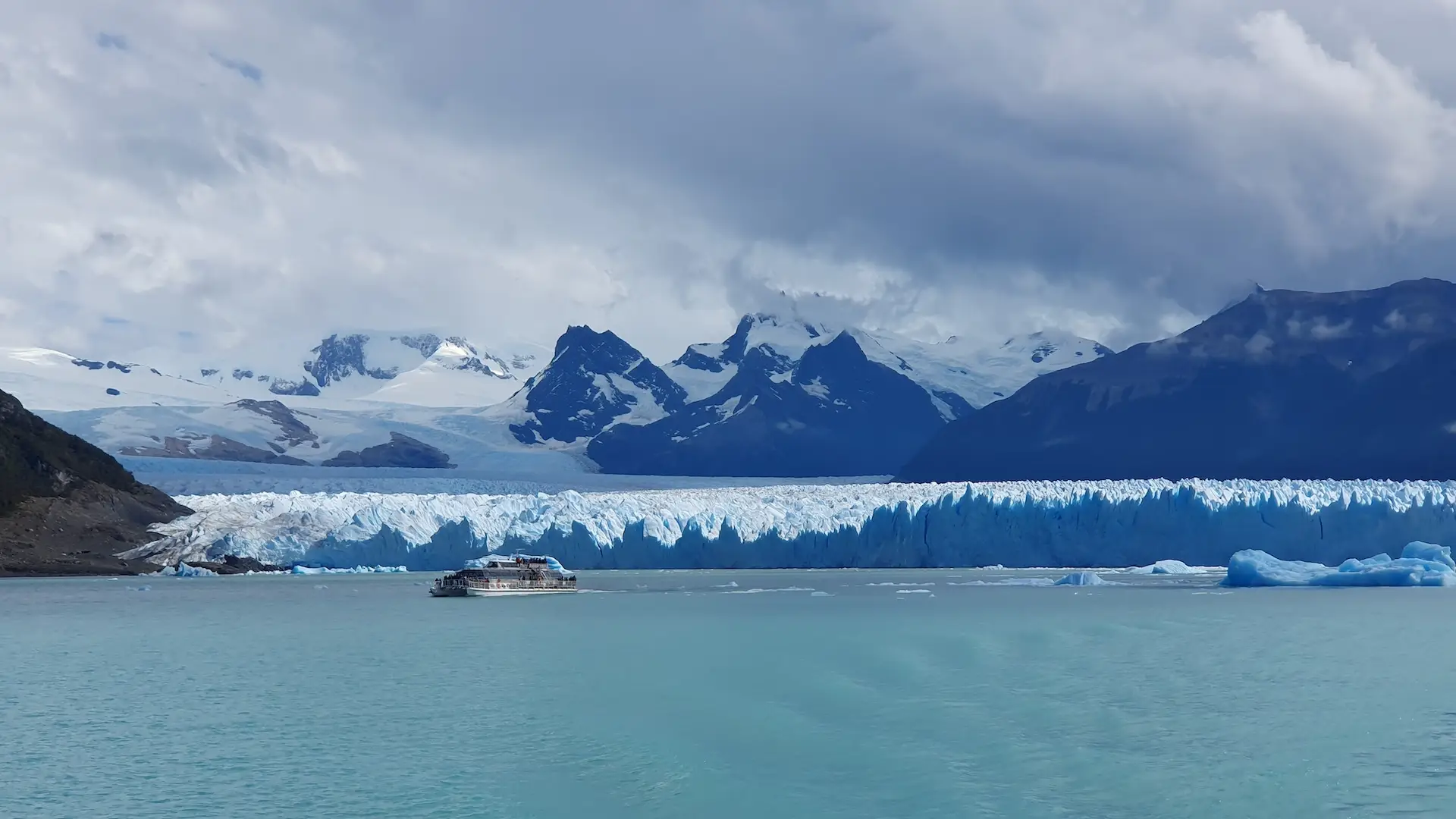
erito Moreno Glacier is one of the most famous and impressive places in Argentine Patagonia. Located inside Los Glaciares National Park, near the town of El Calafate, it is often one of the first major highlights on a journey through this part of the region.
A series of well-maintained viewpoints stretches across from the glacier, allowing visitors to admire it from different angles and elevations without demanding hiking or special physical preparation.
What surprises many visitors is how much Perito Moreno changes depending on the light. On a sunny day, the scenery is spectacular, but when the sky is cloudy, the blue tones of the ice often appear even more intense.
The reason is simple: without strong direct sunlight, there is less glare and contrast, allowing the glacier’s deeper colors and textures to stand out. Diffused light passing through clouds creates a softer effect, revealing the blue tones, cracks, and layers of the ice much more clearly.
Perito Moreno can also be experienced from a completely different perspective, by walking directly on the glacier with professional guides and crampons.
It is a challenging, adventurous, and completely different experience compared to simply observing it from the viewpoints. It is one of those moments where you later realize that it was absolutely worth including in your itinerary.
After all, it is not every day that you walk on a massive glacier that is constantly changing beneath your feet, cracking, moving, and reminding you very clearly that you are only a visitor in its environment.
And that is exactly why Perito Moreno is not a place to simply “tick off” in half an hour.
After our glacier trekking experience, we spent quite some time at the viewpoints as well, watching the changing light, colors, and movement across the ice. At one moment, we heard a powerful cracking sound echoing between the surrounding mountains, followed moments later by a huge piece of ice breaking away and crashing into the lake.
These moments do not happen according to a schedule, but when they happen, you immediately understand why waiting is worth it.
Why include it in your itinerary:
- One of the most accessible major glaciers in Patagonia
- Multiple viewpoints offering different perspectives
- Suitable even for travelers who are not planning demanding hikes
- Constantly changing depending on light, weather, and glacier activity
- Glacier walking is possible with organized tours and professional guides
Planning tip: Allow enough time for Perito Moreno. Ice calving does not follow a schedule, and the waiting moments are often the ones that reward you with the most unforgettable views.
El Chaltén and Fitz Roy: Trekking, Silence, and One of Patagonia’s Greatest Views
El Chaltén is a small mountain town in Argentine Patagonia, located inside Los Glaciares National Park.
Known as Argentina’s trekking capital, it is the starting point for some of the most beautiful hiking routes in South America.
The most iconic sight in the area is Fitz Roy, a mountain whose dramatic silhouette has become one of Patagonia’s defining images.
Sharp granite peaks, glacial lakes, wide valleys, and constantly changing light create a landscape that looks dramatic both in perfect weather and in challenging conditions.
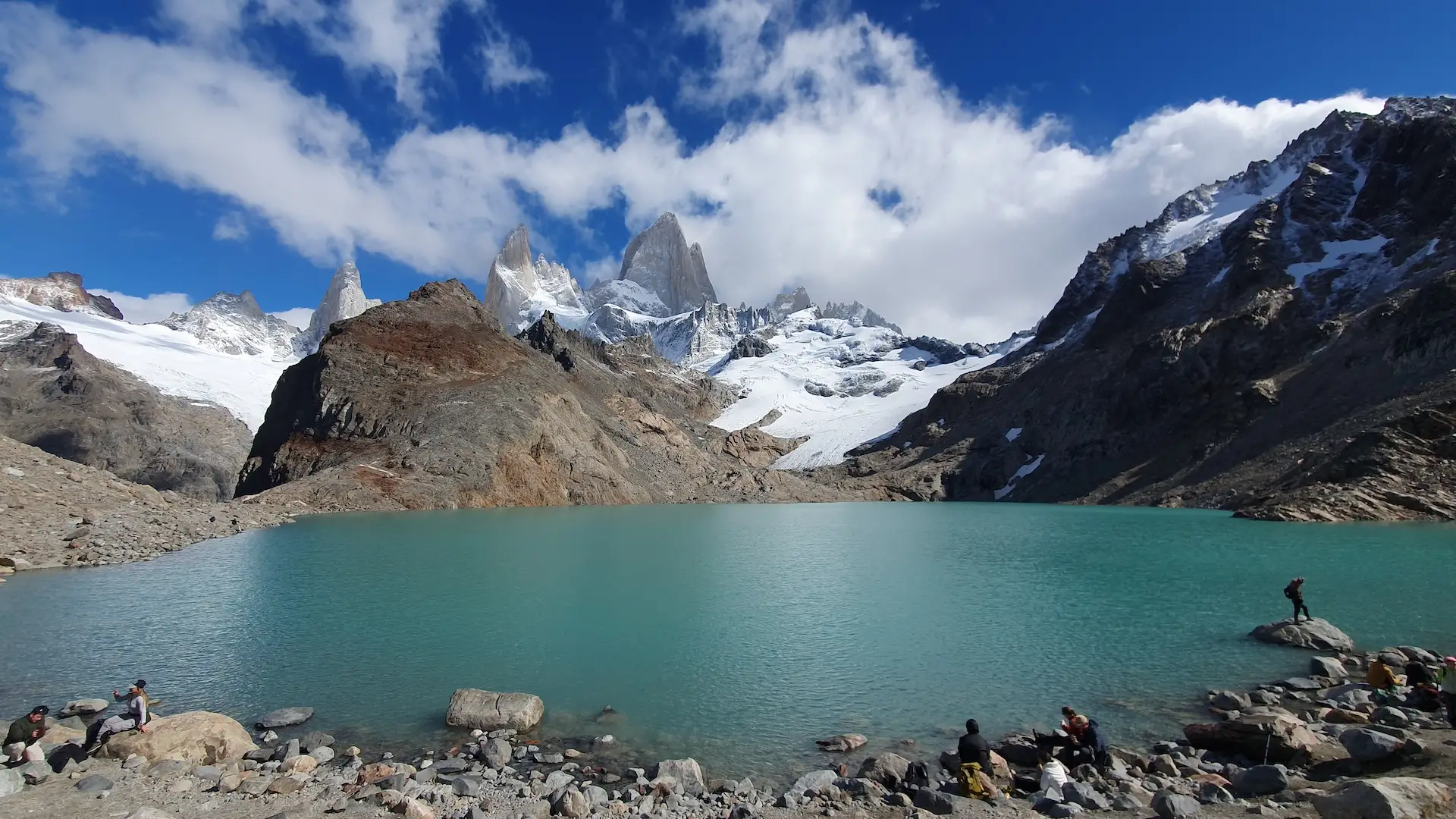
The most famous trail leads to Laguna de los Tres, one of the best viewpoints of Fitz Roy.
This is a full-day trek that requires good fitness, especially because of the demanding final climb towards the lagoon. It is not simply a walk to a beautiful viewpoint, it is a serious hiking route that needs to be planned according to weather conditions, your fitness level, and an early start.
We had planned our trekking day but had to skip it because of severe weather and safety warnings against heading into the mountains.
And that is Patagonia in one sentence: you can have a plan, but Patagonia always has the final say.
The following day brought almost perfect conditions. Fitz Roy slowly revealed itself behind the clouds, as if it had decided to make a dramatic entrance and prove why it has such a reputation.
And this is not something you can take for granted.
During our journey, we met travelers who had tried several times to reach Laguna de los Tres but never managed to see Fitz Roy because this particular mountain peak is famous for hiding behind clouds, even when the rest of the sky is completely clear.
That is why El Chaltén is one of those places in Patagonia where flexibility truly changes the experience.
If you only have one day and the weather does not cooperate, you might see the trail, but not the reason why you started the hike in the first place.
If you have some flexibility in your itinerary, your chances of experiencing the real magic increase significantly.
What makes it special:
- The unique silhouette of Mount Fitz Roy
- Some of the most famous trekking routes in Argentine Patagonia
- Direct access to trails from the town of El Chaltén
- A true wilderness feeling without being completely isolated
- Landscapes that transform depending on weather and visibility
Real-life advice: Weather is the key factor here. Clouds often hide the peaks, and Fitz Roy has a special ability to disappear exactly when you are convinced everything is perfect. For El Chaltén, it is smart to keep some flexibility in your schedule, especially if reaching Laguna de los Tres is one of your main goals.
Ushuaia and Tierra del Fuego: The End of the World, Forests, Ocean, and Penguins
Tierra del Fuego, or the Land of Fire, offers a completely different Patagonia experience compared to glaciers, high granite peaks, and endless steppes.
Located at the very southern tip of South America, it is separated from the mainland by the Strait of Magellan and shared between Argentina and Chile.
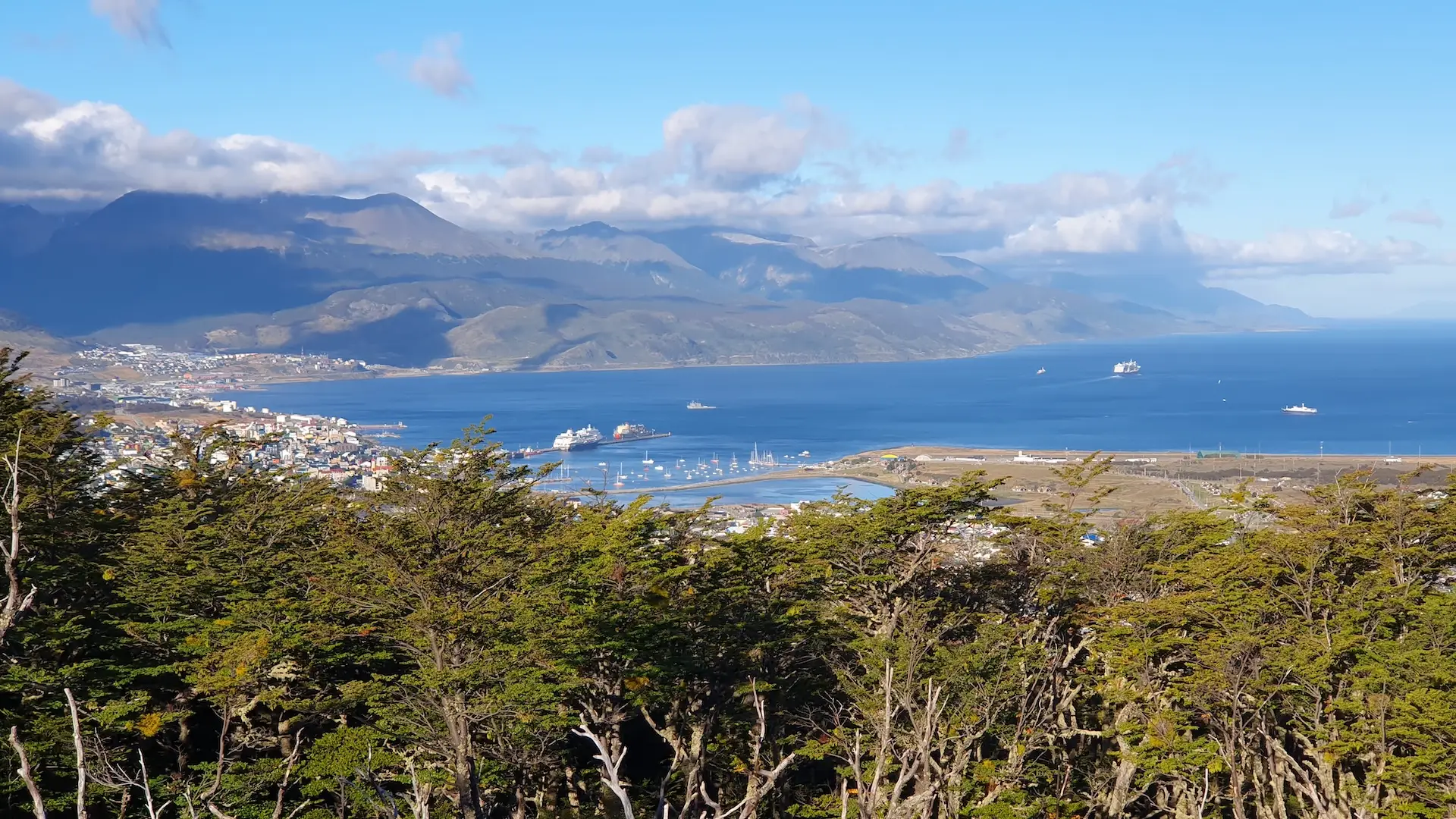
The best-known base for exploring this part of the region is Ushuaia, a city often called the southernmost city in the world.
Surrounded by mountains, ocean, and the cold southern air, Ushuaia has a unique atmosphere. It is not just a place with a catchy “end of the world” label, it is a location where you can genuinely feel that the continent slowly disappears into the ocean.
Not far from Ushuaia lies Tierra del Fuego National Park, where forests, mountains, wetlands, and coastline combine into a completely different Patagonian landscape.
It is a great option for easier exploration and shorter walks, especially if you want to experience the far south without demanding trekking.
The area is also home to the famous End of the World Train, historically connected with the former prison colony in Ushuaia, while the city’s prison museum provides another perspective on how isolated this place once was.
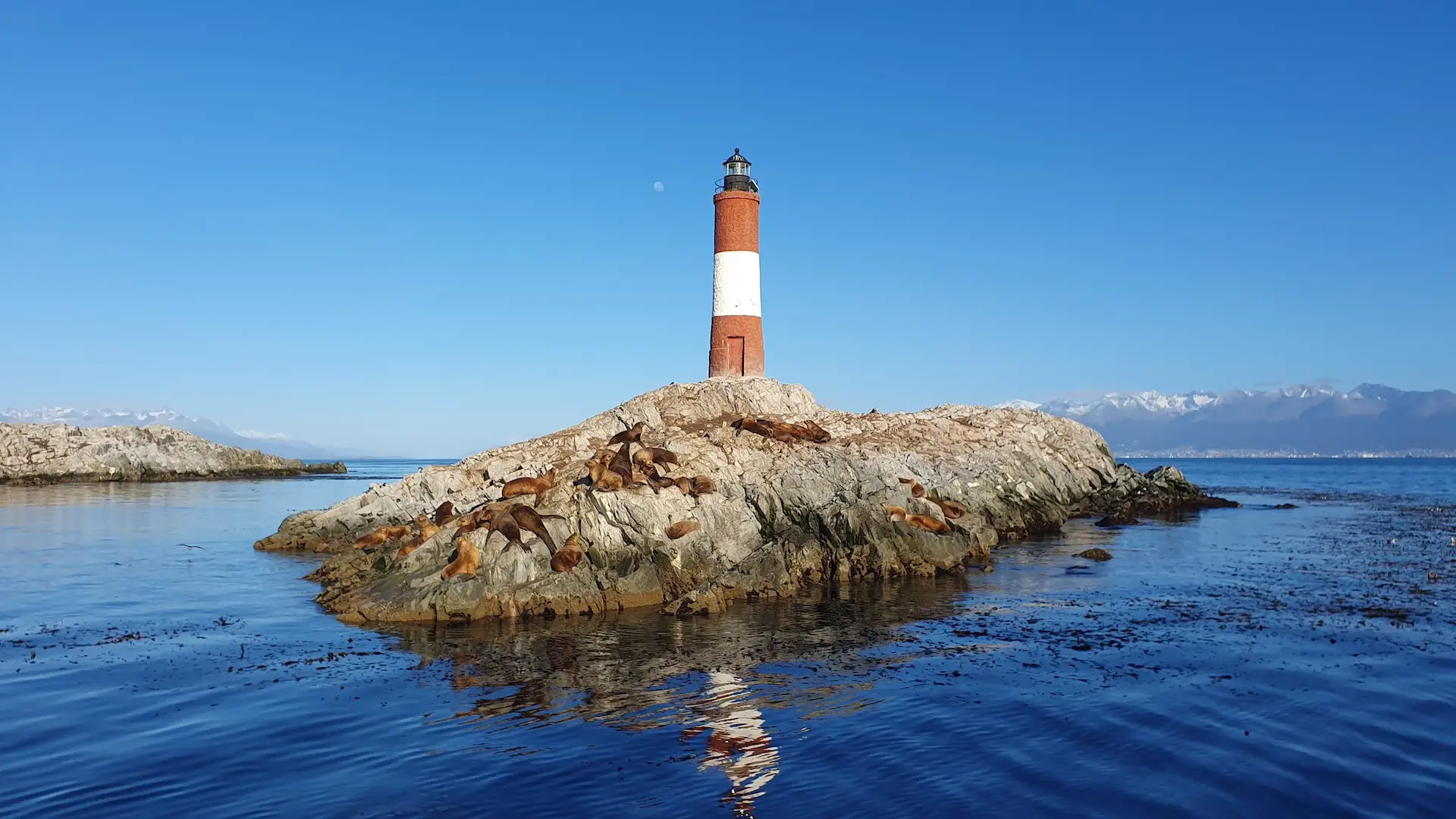
One of the most unique experiences in this part of Patagonia is sailing through the Beagle Channel and visiting Isla Martillo, an island famous for its penguin colonies.
It is important to know that not all tours are the same.
Many boat trips approach the island and allow visitors to observe penguins from the boat, while landing on the island and walking among the penguins is available only through specially regulated tours with limited capacity.
Walking among penguins from just a few steps away is completely different from watching them from a boat.
The experience becomes even more impressive when combined with close encounters with sea lions.
Only then do you truly understand how alive, wild, and unique this southern landscape really is.
What makes this part of Patagonia special::
- A completely different landscape combining forests, ocean, mountains, and wetlands
- Tierra del Fuego National Park as an excellent option for easier exploration
- Ushuaia as a base for Beagle Channel cruises and Antarctic expeditions
- The End of the World Train and the history of the former prison colony
- The possibility of visiting Isla Martillo and seeing penguins in their natural environment
Good to know:
If you want to walk among penguins on Isla Martillo, carefully check which tour you are booking. Seeing penguins from a boat and actually stepping onto the island among them are two completely different experiences, both logistically and emotionally.
Chilean Patagonia
Torres del Paine: The Icon of Patagonia
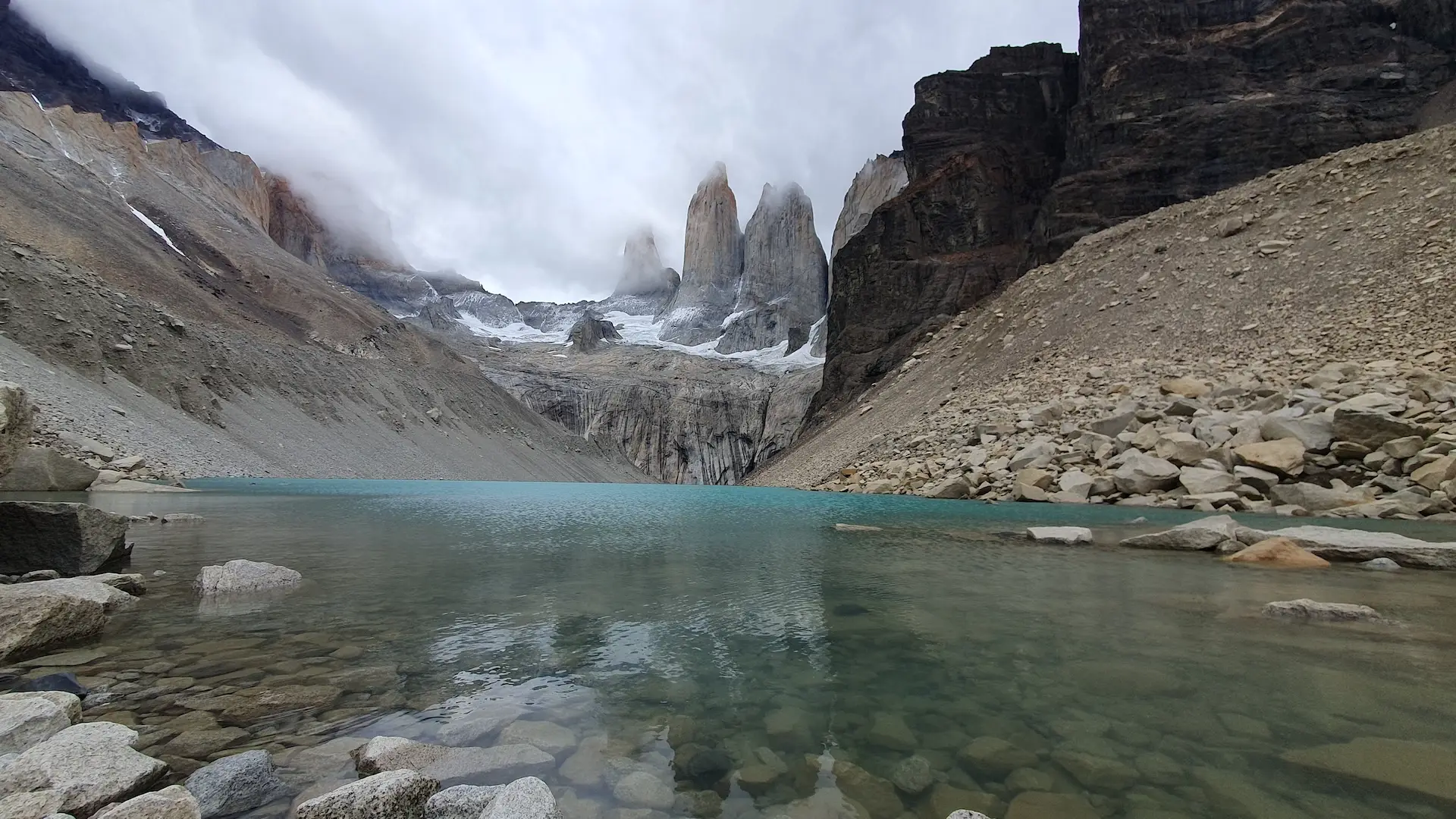
If there is one place that many people immediately associate with Patagonia, it is Torres del Paine. The granite towers rising above turquoise lakes, glaciers, and rugged landscapes are among the most recognizable views in South America.
Torres del Paine is not only a destination for experienced hikers. The park offers shorter walks, viewpoints, and routes that allow visitors to experience its power even without committing to multi-day trekking. That is exactly what makes it special: it can be a very active adventure, but also an incredibly scenic part of the journey for travelers who prefer a more comfortable pace and carefully planned exploration.
During our visit, the first part of the trail offered almost perfect conditions. Clear skies, strong contrasts, and views that immediately explain why Torres del Paine became the symbol of Chilean Patagonia. But, as often happens in Patagonia, the weather quickly showed its true character. Towards the end of the hike, clouds appeared, the wind picked up, and the cold suddenly became very real.
That unpredictability is exactly what gives this area its special charm. The same landscape can look completely different within a single day depending on the light, clouds, and wind. It is not always convenient, but it is a huge part of why Torres del Paine remains such a powerful experience.
What makes it special:
- The incredible contrast between mountains, lakes, steppes, and glaciers
- The variety of landscapes within a single national park
- Different levels of activities, from short walks to challenging trekking routes
- A true feeling of being surrounded by untouched nature
- One of the most iconic and photogenic views in Patagonia
Real-life advice: Weather in Torres del Paine can change extremely quickly. Sun, wind, rain, and clouds can appear within the same day, so flexibility is an important part of planning. A well-designed itinerary here is not just a detail, it can be the difference between simply visiting the park and truly experiencing it without unnecessary rush.
Marble Caves (Capillas de Mármol): Natural Art Carved Into Stone
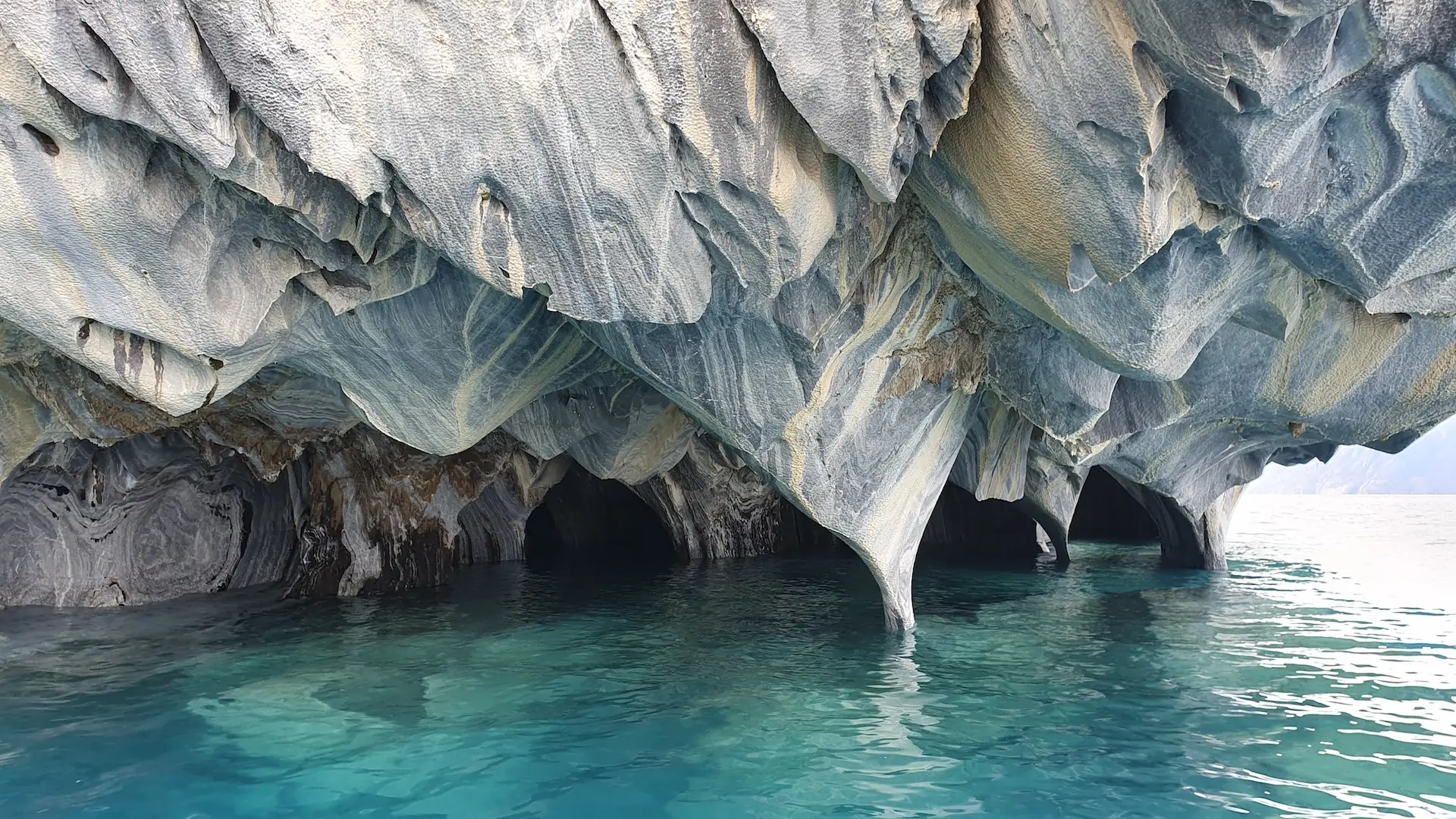
On General Carrera Lake, one of the largest lakes in South America, you will find the Marble Caves, also known as Capillas de Mármol. These unique marble formations have been shaped by thousands of years of water erosion, creating smooth and wave-like structures inside the rock.
What makes this place special is not only the shape of the caves but also the colors. Depending on the time of day, light, and reflections from the water, the caves change shades from white and grey to intense blue and turquoise. When the boat approaches the rocks and the color of the lake starts reflecting inside the caves, it becomes immediately clear why this location is often considered one of the most beautiful hidden gems of South America.
Out of all the natural wonders we experienced in Patagonia, the Marble Caves left a particularly strong impression because of the feeling of discovering something remote and still untouched. This is not a place you simply stop by on the way. You need to reach Puerto Río Tranquilo, have suitable weather conditions, and then continue by boat or kayak towards the caves.
That sense of remoteness gives the experience additional value. Not everything is easily accessible, but once you are on the water, surrounded by turquoise lake and marble walls, you understand why the effort is worth it.
The experience includes::
- Boat or kayak rides alongside the marble formations
- Entering the caves and passing through narrow natural passages
- A constant play of light, water, and reflections
- The feeling of reaching a remote place that has preserved its uniqueness
Real-life advice: Getting to the Marble Caves is not simple. They are located in a remote part of Chilean Patagonia, near Puerto Río Tranquilo, usually reached by road. Since the caves can only be accessed by water, weather conditions, especially wind and waves, directly affect whether the visit is possible. That isolation is exactly what makes the experience special, but it should be seriously considered when planning your itinerary.
Carretera Austral: One of the Most Beautiful Roads in the World
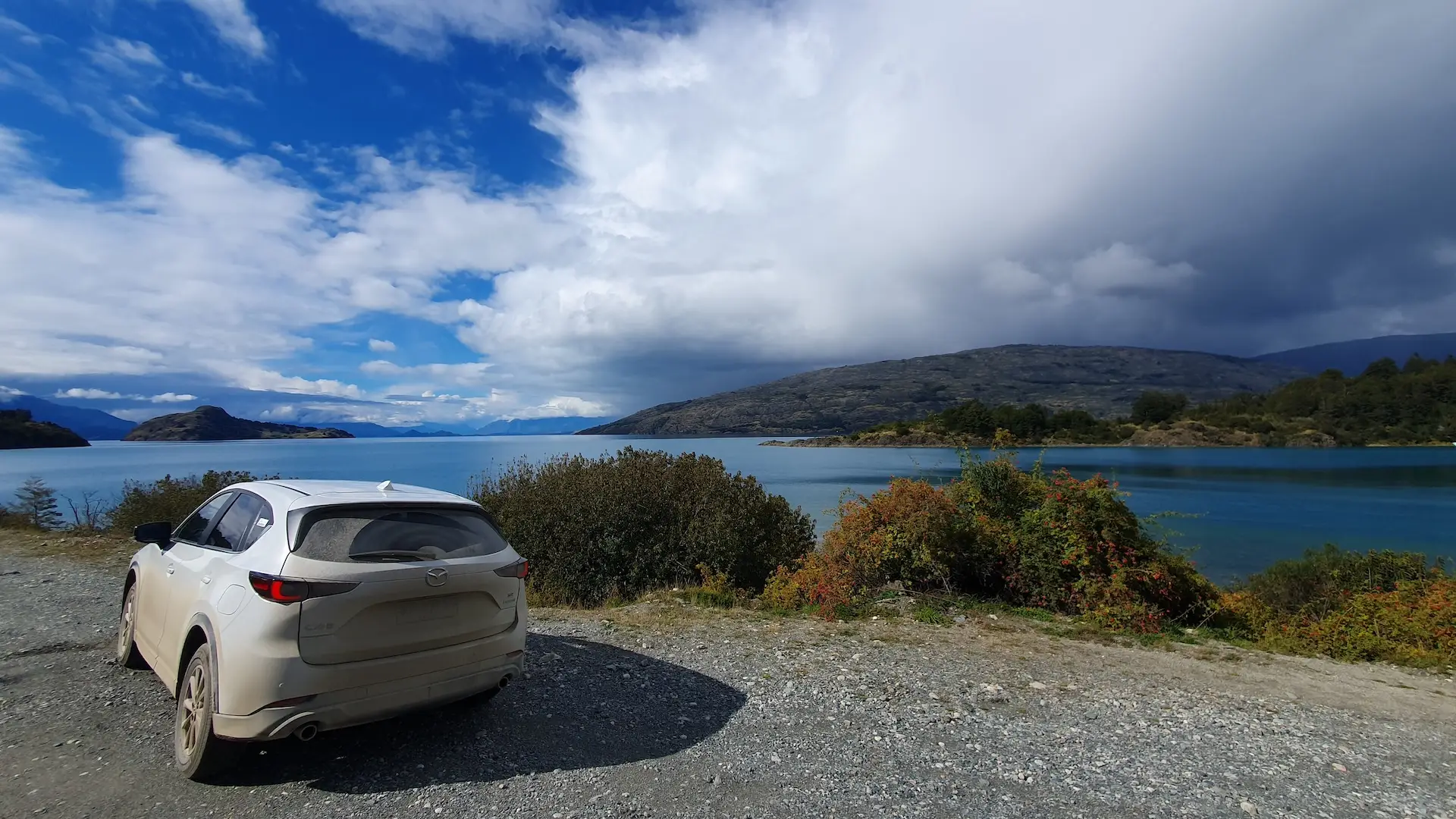
Carretera Austral is not a typical attraction. It is an experience on its own. This legendary road crosses the heart of Chilean Patagonia, connecting some of the wildest and least explored areas of the region.
It is often described as one of the most beautiful road trips in the world, with landscapes changing between dense forests, glaciers, rivers, turquoise lakes, fjords, small villages, and mountain peaks. On certain sections, you get the feeling that you are driving through a landscape that was never designed to be convenient, but looks absolutely unreal.
Our drive along Carretera Austral was completely different from traditional road trips we had experienced before. On some sections, we drove for hours through untouched nature, without large towns, gas stations, or almost any traffic. That feeling of being far away from everything familiar is one of the main reasons many travelers consider this route the highlight of Chilean Patagonia.
However, Carretera Austral requires preparation. Large sections of the road are still gravel, distances are long, and infrastructure is limited. Here, you do not plan only the route, you also need to consider fuel, driving time, road conditions, accommodation, and weather. This is not the type of road trip where you can completely rely on improvisation, because sometimes there are simply very few options between two points.
What makes it special:
- A complete feeling of isolation and untouched nature
- Dramatic landscape changes throughout the journey
- Access to hidden locations away from mass tourism
- An authentic road trip experience through Chilean Patagonia
- A combination of lakes, fjords, forests, mountains, and glaciers
Important for planning: Carretera Austral requires good preparation. Distances are long, infrastructure is limited, and road conditions can change. For many travelers, this route becomes one of the most authentic Patagonia experiences, but only if the logistics are taken seriously.
Patagonia Is Not One Destination
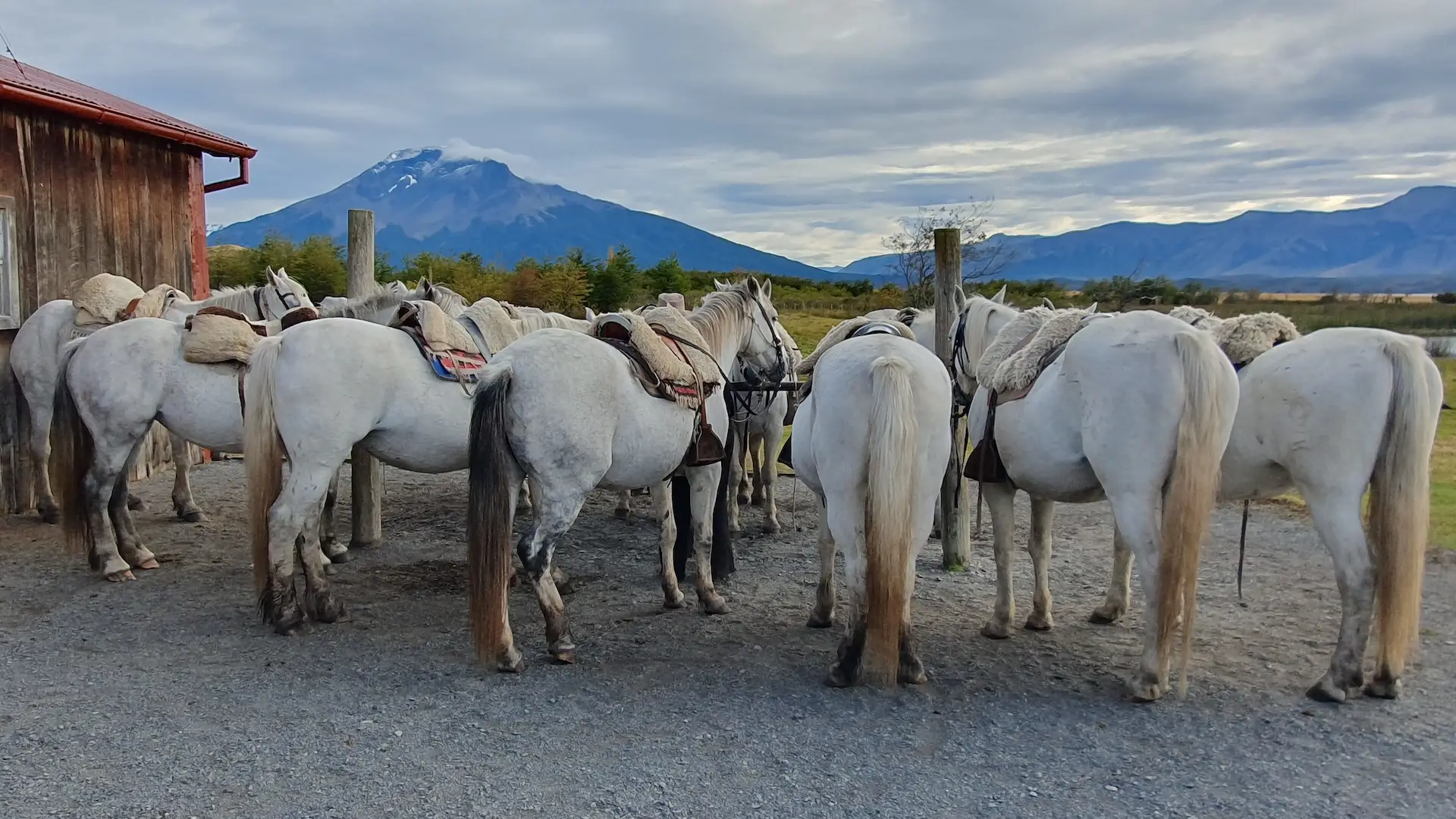
One of the biggest misconceptions is viewing Patagonia as a single location. In reality, it is an enormous region stretching across two countries and including completely different landscapes and experiences.
After spending several weeks in Patagonia, the biggest impression is that its greatest strength is diversity. Almost every day can bring a completely different landscape: a glacier, mountain, fjord, forest, steppe, lake, or a road disappearing somewhere towards the horizon.
That is why, when planning a trip, the most important question is not only how many places you can visit. The bigger question is how those places connect and how much time you realistically have to experience them without turning your journey into a constant logistical marathon.
Patagonia rewards a good pace. Fewer locations, better connected and thoughtfully planned, often create a much better experience than trying to add “just one more place”.
And that one extra thing on a journey is rarely just one.
Thinking About How to Include All of This in One Journey?
On paper, these locations may look like a logical sequence. In reality, connecting them requires careful planning, from flights and border crossings to weather conditions, road conditions, transfers, and accommodation availability.
To make the most of your time and avoid common logistical mistakes, route planning plays a major role in the quality of the entire journey. Patagonia is not a destination where simply marking places on a map is enough. You need to understand how to connect them into a trip that has rhythm, purpose, and enough space to enjoy the very reason you came.
For a better overview, we recommend reading our guide on planning a trip to Patagonia, as well as our article about Patagonia travel costs, because the combination of route, budget, and logistics is what usually determines the quality of the entire experience.
If you are considering Patagonia and would like help planning your route, budget, and complete travel logistics, feel free to contact us for a personalized travel consultation.