Carnivals Without Borders: Rio’s Samba or Venice’s Mystical Masks – What’s Your Style?
11/12/2025
How much does a trip to Patagonia cost? (And Why Prices Vary So Much)?
12/06/2026
Carnivals Without Borders: Rio’s Samba or Venice’s Mystical Masks – What’s Your Style?
11/12/2025
How much does a trip to Patagonia cost? (And Why Prices Vary So Much)?
12/06/2026

Travel to Patagonia (Argentina & Chile): A guide to planning an unforgettable adventure
Travel to Patagonia (Argentina & Chile): A guide to planning an unforgettable adventure
Share on social networks:

Facebook
X
LinkedIn
Email
Print

Where Is Patagonia and Why Is It So Special?

Patagonia is a vast region located at the southern tip of South America, shared between Argentina and Chile. It stretches from the towering Andes Mountains and immense ice fields to endless steppes, dramatic fjords, and subantarctic forests.

What makes Patagonia truly special is not only its landscape, although that alone would be enough. It is the overwhelming sense of space. Distances are enormous, towns are few and far between, infrastructure is limited, and the weather often seems to have a plan of its own, usually not the one you carefully created in your spreadsheet.

Patagonia is not a destination you can simply “tick off” in a few days. It is a region that requires understanding before planning. Only after spending hours driving through remote, almost surreal landscapes do you begin to grasp how immense, wild, and isolated this part of the world really is.

For us, that feeling of being far away from everything was one of the strongest impressions of the entire journey.

What to See in Patagonia: The Most Famous Regions and Natural Wonders

Patagonia is not a single destination. It is a collection of spectacular locations scattered across a vast territory, which is why planning your route is just as important as choosing the places you want to visit. Its most famous natural attractions include glaciers, dramatic mountain peaks, turquoise lakes, fjords, and some of the world’s finest trekking routes.

Torres del Paine (Čile)

Torres del Paine is one of the most famous national parks in South America and the symbol of Chilean Patagonia. Its iconic granite towers, turquoise lakes, powerful Patagonian winds, and wildlife such as guanacos make it one of those places that looks incredible in photographs and even more impressive in reality.

It is also important to understand that this area requires careful logistical planning. Accommodation is limited, access is regulated, and booking ahead is not merely recommended, it is essential.

Carretera Austral (Route 7)

The Carretera Austral is a legendary road that winds through some of the wildest parts of Chilean Patagonia. It is a dream route for travelers who love road trips, nature, and the feeling of being truly disconnected from the modern world. The road passes through rainforests, alongside turquoise lakes, fjords, glaciers, and snow-capped peaks, and is frequently ranked among the most scenic driving routes on Earth.

Marble Caves (Capillas de Mármol)

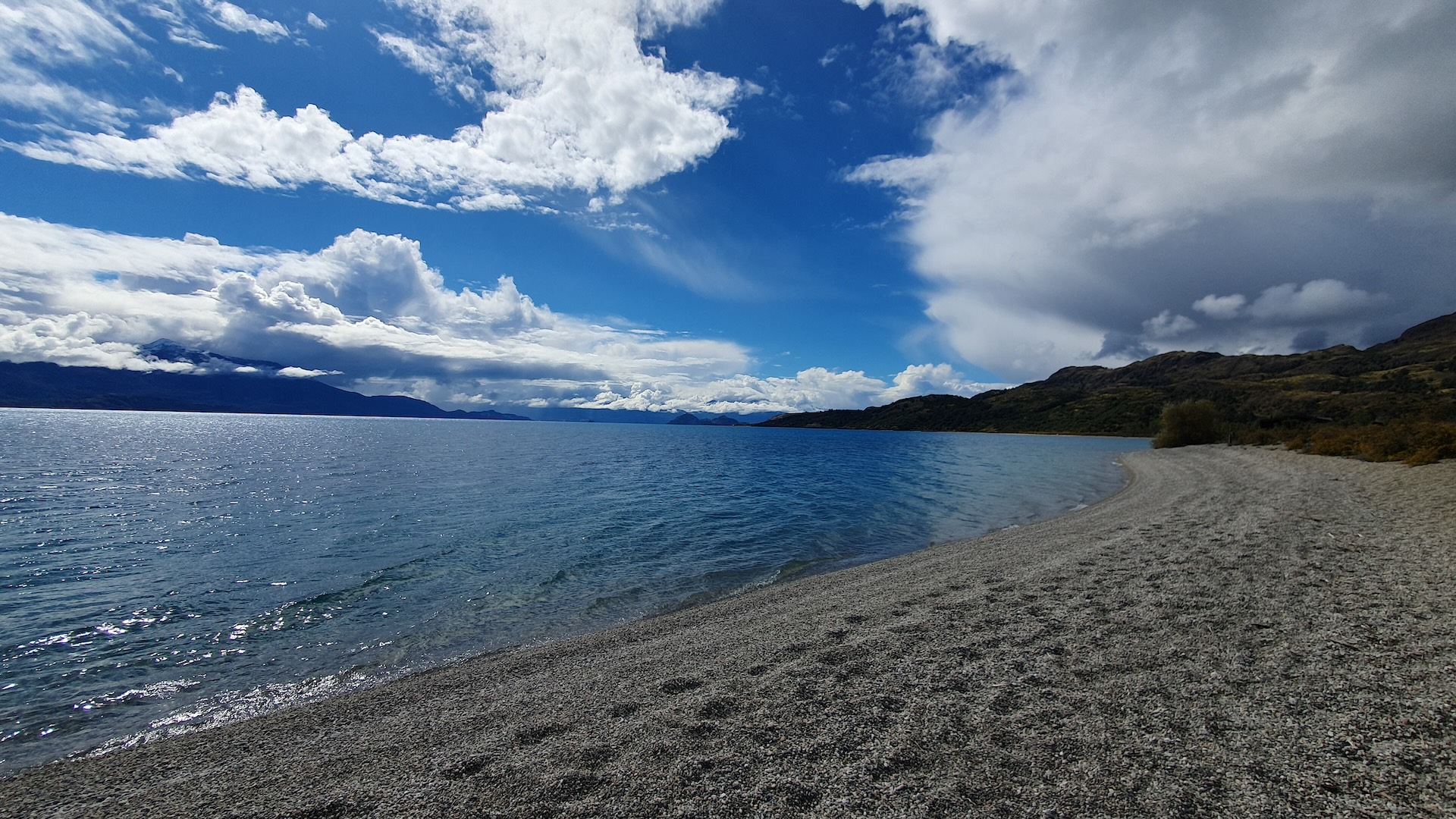
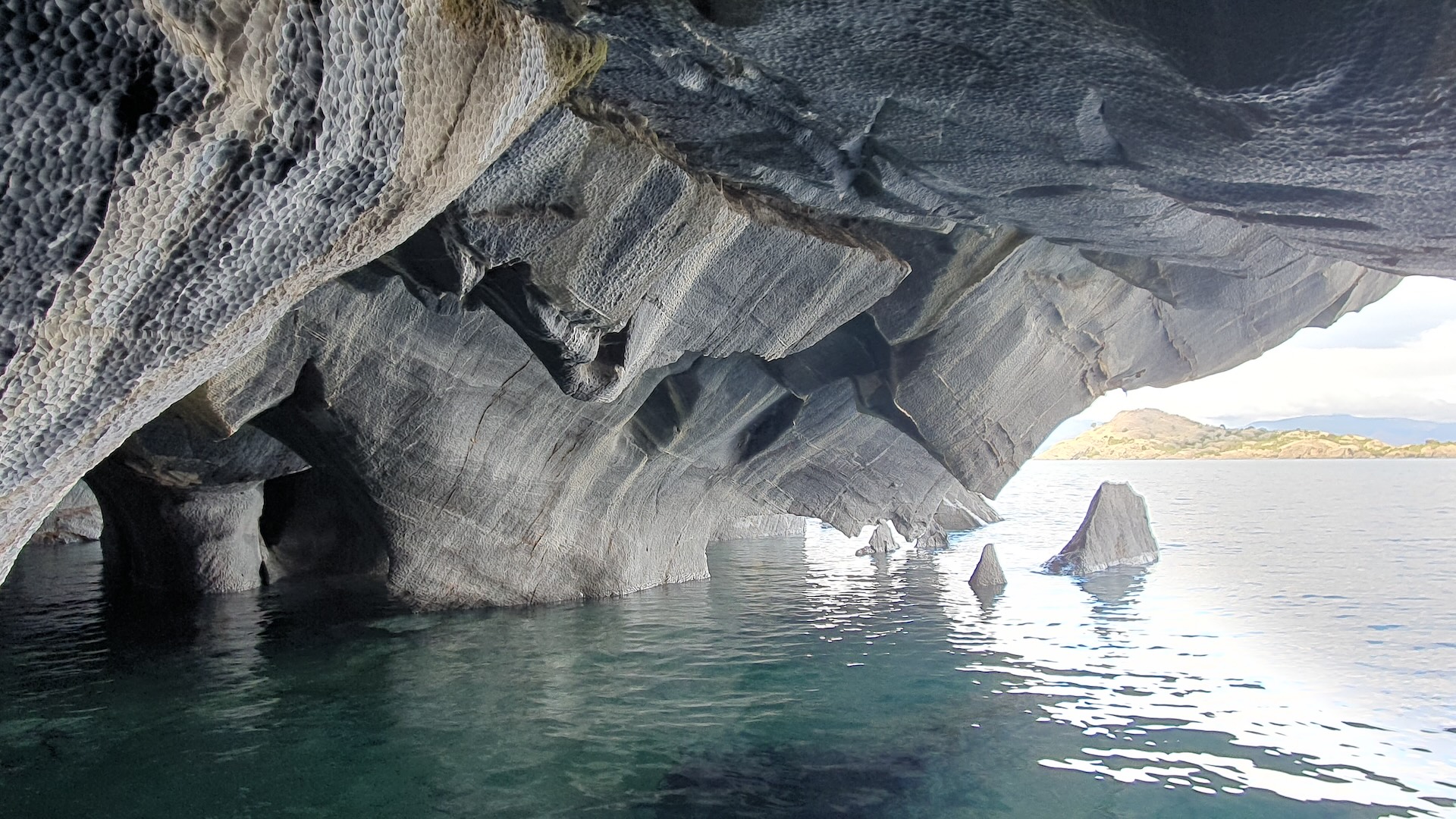
The Marble Caves are located in the Aysén Region on General Carrera Lake, known on the Argentine side as Lake Buenos Aires. These unique formations were sculpted over thousands of years by water erosion, creating spectacular marble caverns with mesmerizing blue reflections. The caves can only be reached by small boat or kayak, which adds an extra sense of adventure to the experience.

Perito Moreno i El Calafate (Argentina)

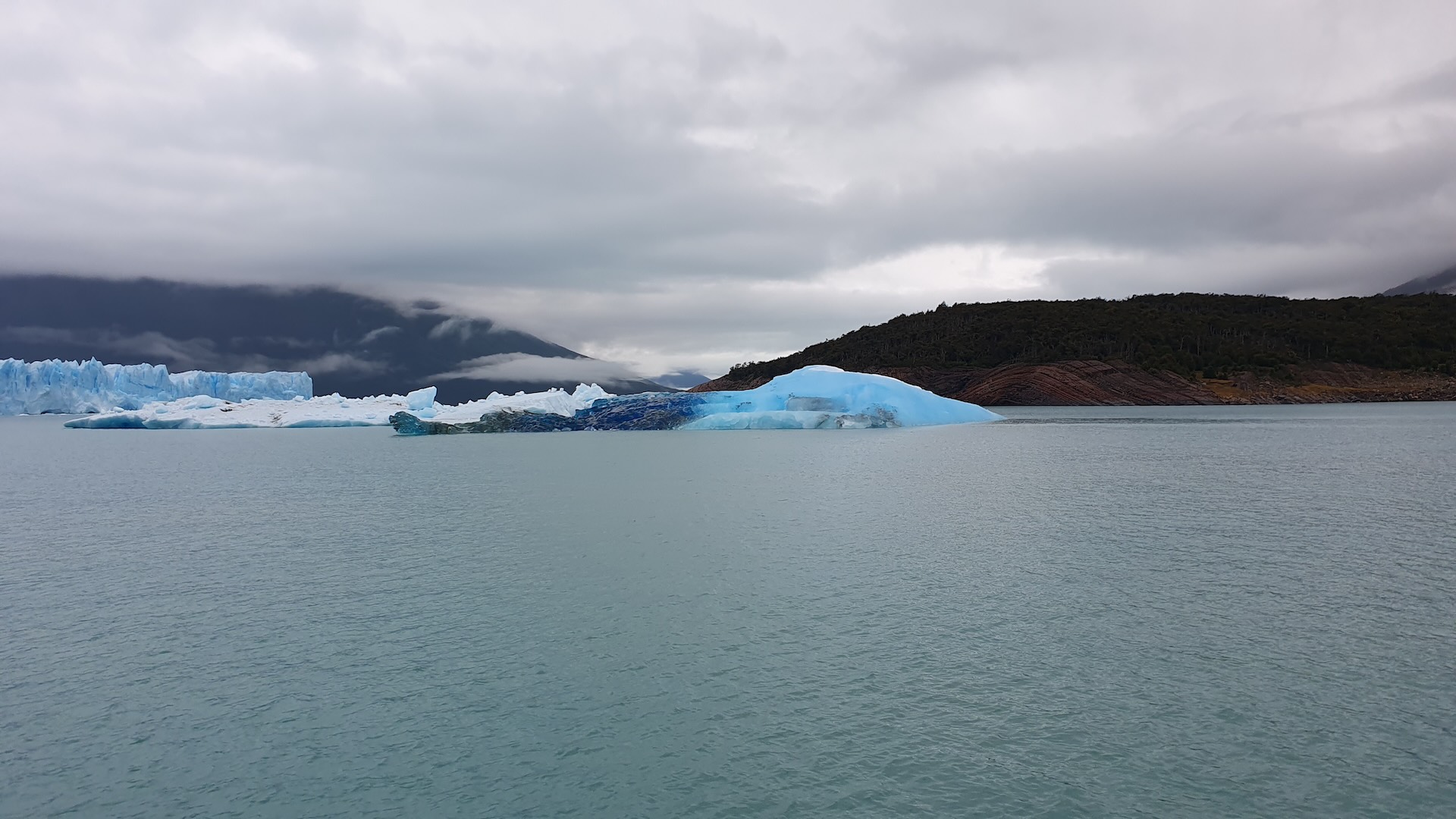
Perito Moreno Glacier is one of the most impressive sights in Argentine Patagonia. Unlike many glaciers around the world, it remains active and dynamic, constantly shifting and calving enormous chunks of ice into the lake below.

Visitors can get remarkably close to the glacier, and guided ice-trekking tours even allow you to walk across its surface.

Moving carefully across the ice with crampons, surrounded by crevasses, deep blue formations, and endless frozen landscapes, creates a completely different experience from simply viewing the glacier from a lookout point. Suddenly, the glacier becomes more than a spectacular view, it becomes a place you are actually exploring.

El Calafate serves as the main gateway for visiting Perito Moreno and exploring the southern glacier region.

El Chaltén i Fitz Roy

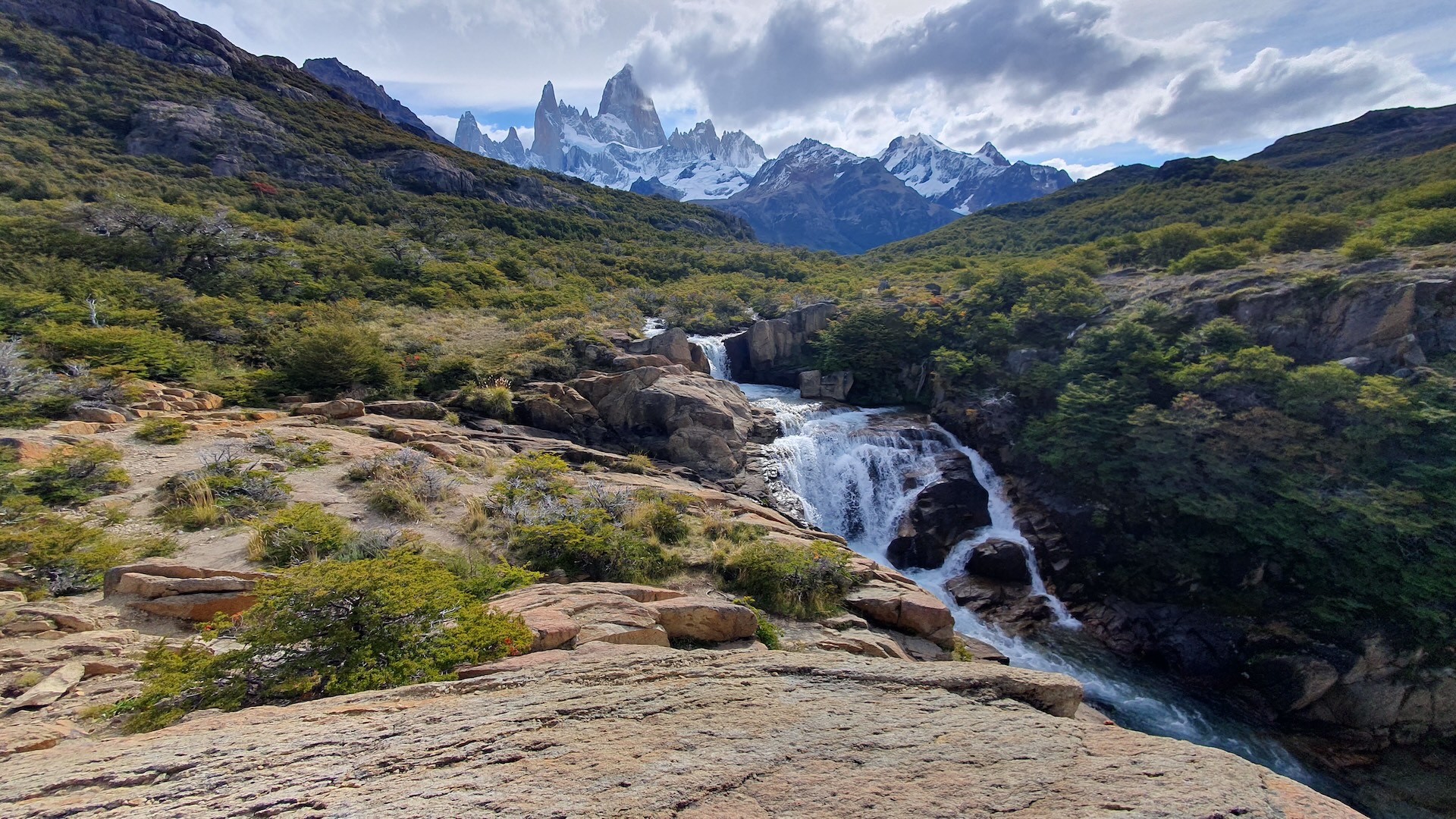
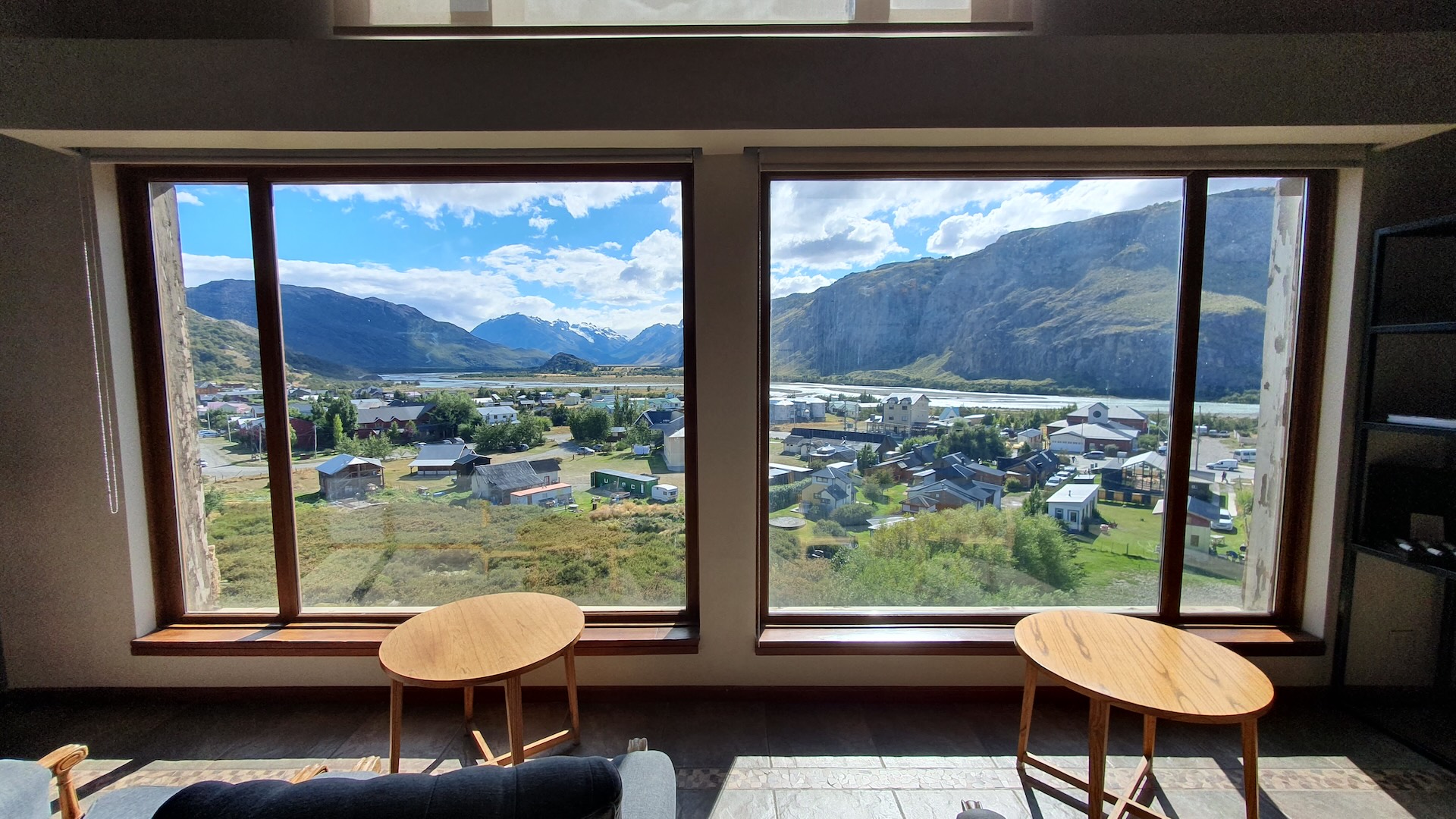
El Chaltén is a charming mountain town within Los Glaciares National Park and is widely known as Argentina’s trekking capital.

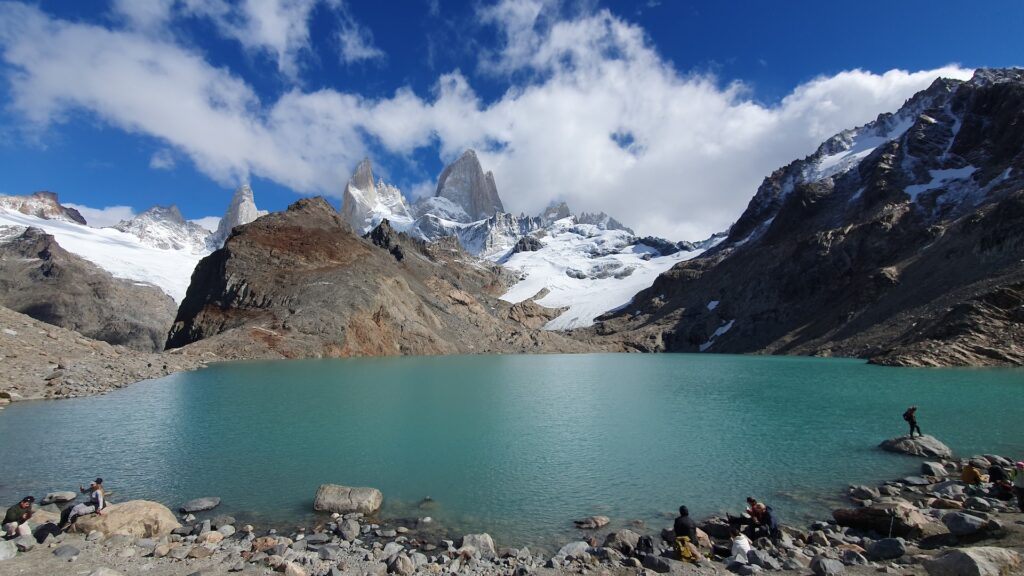
The silhouette of Mount Fitz Roy is one of the most recognizable mountain landscapes in South America and often delivers that unforgettable Patagonian “wow moment” travelers dream about.
The area offers some of the best hiking experiences in the world, but it requires reasonable fitness and flexibility. Trails lead to spectacular viewpoints overlooking sharp granite peaks and turquoise lagoons, while weather conditions can change several times throughout the day.

During our own visit, we experienced sunshine, strong winds, rain, and completely clear skies within just a few hours.

Ushuaia – The End of the World

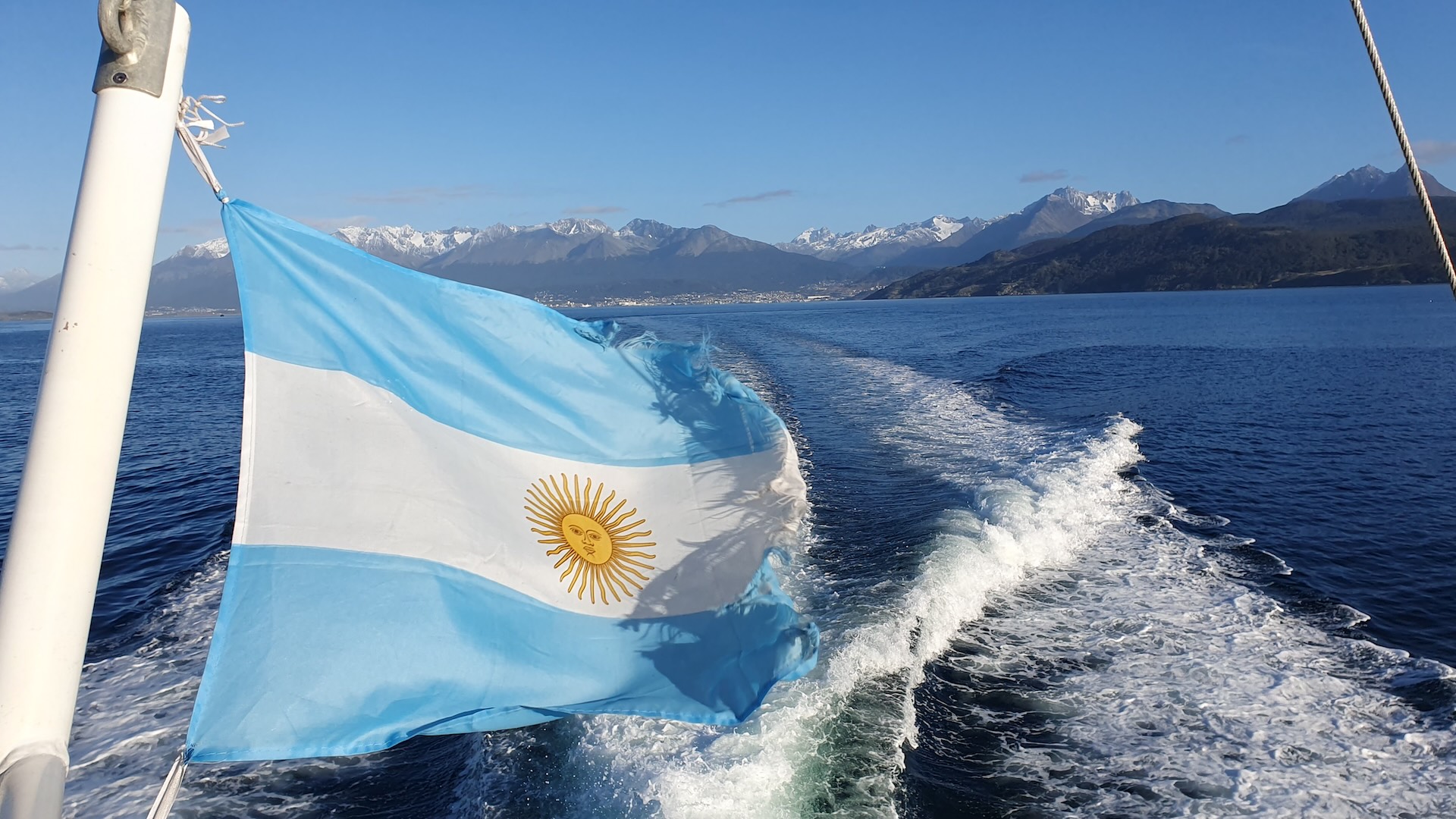
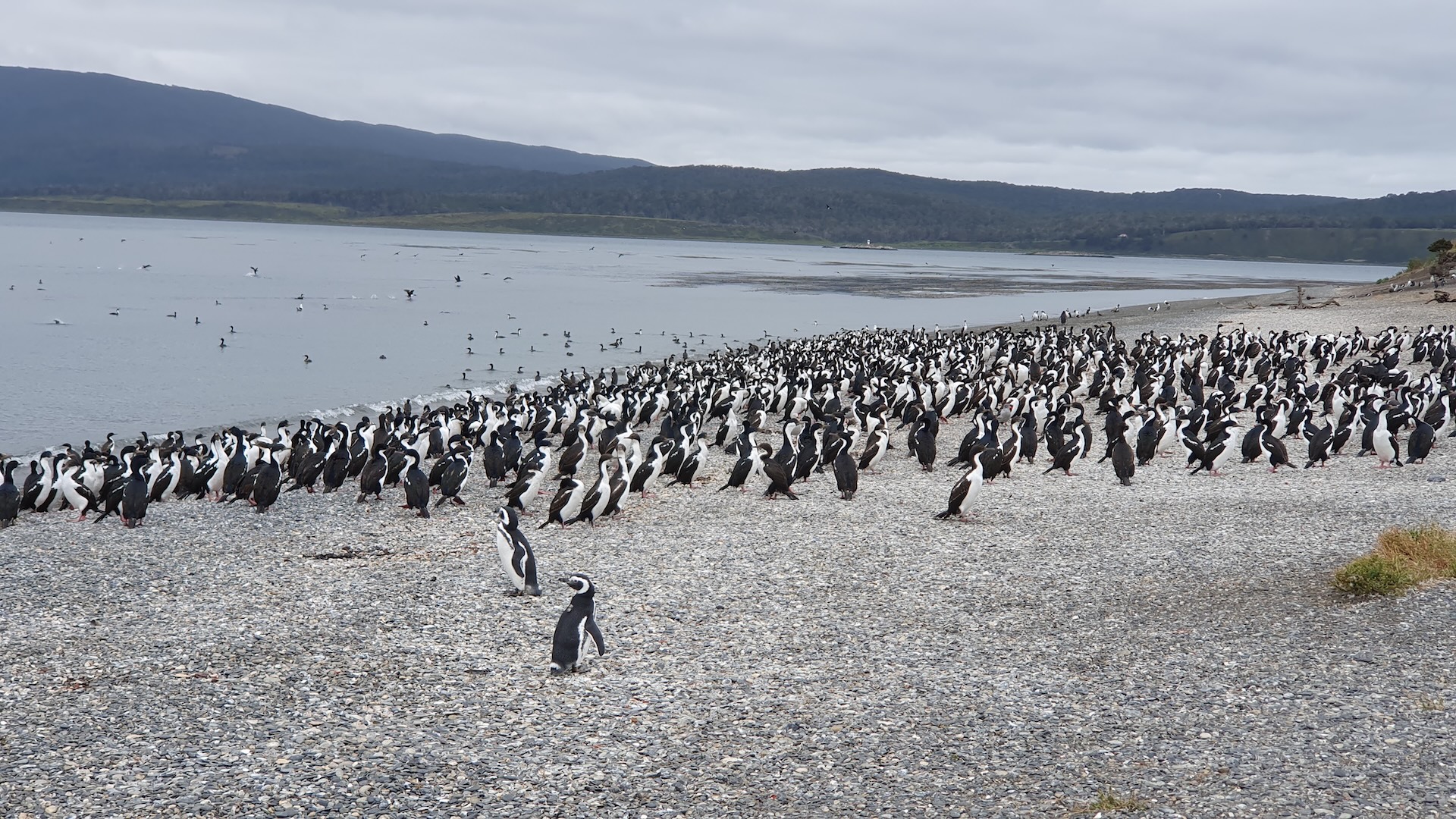
Located on Tierra del Fuego, Ushuaia is often referred to as the southernmost city in the world.

It serves as the departure point for Antarctic expeditions and cruises through the Beagle Channel. There is a unique feeling here that you have reached the edge of the continent, both geographically and emotionally.

A more detailed overview of Patagonia’s most spectacular locations can be found in our dedicated guide to the most beautiful places in Patagonia (3 soon).

How Many Days Do You Need for Patagonia?

This is one of the most frequently asked questions, and one that should not be answered too optimistically.

To visit Patagonia’s most famous highlights, you should allow at least 10 to 14 days. However, if you want to experience both the Argentine and Chilean sides without constantly rushing between transfers, a more realistic timeframe is 18 to 21 days. The reason is not simply the number of attractions, but the distances between them.

Patagonia demands time for travel, time for weather delays, and time for unexpected changes of plan. It is wise to include at least one buffer day in every major region, especially if you intend to hike or participate in weather-dependent activities.

Travelers from Europe should also factor in the journey to and from South America, which usually adds at least two additional travel days.

When Is the Best Time to Visit Patagonia?

The main travel season runs from November through March.
During these months, days are longer, temperatures are milder, and conditions are generally better for hiking, glacier excursions, and outdoor exploration.

Even then, however, you should be prepared for the Patagonian version of a weather forecast:

  • Weather conditions can change multiple times per day
  • Winds can be extremely strong
  • Many activities depend on actual conditions on site
  • Layered clothing is not optional, it is essential

For us, this unpredictability became part of Patagonia’s identity.
Dramatic clouds over mountain peaks, sudden bursts of sunshine above glaciers, and rapidly changing light conditions constantly transformed the landscape. Of course, it sounds slightly less romantic when the wind is trying to steal your hood and push you in an unwanted direction, but that is also part of the experience.

Seasonality significantly impacts accommodation availability and pricing, so accommodation in the most popular regions should often be booked several months in advance.

Is Patagonia a Logistically Challenging Destination?

In short: yes.

Patagonia is logistically demanding due to its vast size, enormous distances, limited infrastructure, and highly unpredictable weather conditions.

On a map, everything can appear relatively close together. In reality, that often translates into hours of driving, domestic flights, border crossings, waiting times, or a combination of all of the above.

The main logistical challenges include:

  • Long distances between key destinations
  • Combining domestic flights with overland transfers
  • Crossing the border between Argentina and Chile
  • Limited accommodation availability during peak season
  • Weather disruptions that can impact travel plans

In our experience, several travel segments took considerably longer than expected, especially where weather conditions, roadworks, or infrastructure limitations affected travel times.

This is precisely why Patagonia leaves such a powerful impression, but also why it requires serious planning.

What Influences the Cost of a Patagonia Trip?

Patagonia is one of the more expensive destinations in South America.

The overall budget depends on travel duration, season, itinerary, comfort level, and how the trip is organized.

The largest expenses typically include:

  • International and domestic flights
  • Accommodation, especially within or near national parks
  • Private local transfers
  • Trekking excursions, guided tours, and entrance fees
  • Route logistics and destination sequencing

Patagonia is not a budget destination. That does not mean every trip must be luxurious, but it does mean that poor planning can quickly become expensive, whether in money, time, or missed experiences.

We explain the main cost factors in greater detail in our Patagonia Travel Costs Guide.

Is Patagonia the Right Destination for Everyone?

Patagonia is not a destination for everyone in the traditional sense.

However, with proper planning, it can be adapted to different travel styles and expectations.

Although it is often described as a paradise for adventurers and hikers, Patagonia today also offers comfortable accommodations, guided experiences, and carefully designed itineraries.

Patagonia is ideal for:

  • Travelers who enjoy nature, hiking, walking, and active holidays
  • Those who appreciate authenticity, tranquility, and remote environments
  • Travelers comfortable with flexibility and occasional changes of plan

It may be less suitable for:

  • Travelers expecting urban comforts and vibrant city life
  • Those who prefer rigid schedules with no deviations
  • People seeking a completely passive holiday
  • Travelers with extremely limited budgets

Frequently Asked Questions About Patagonia

Is Patagonia safe for travelers?
Yes. Patagonia is generally considered a safe destination, provided standard travel precautions are followed. It is also very popular among solo travelers.

Can Patagonia be planned independently?
Absolutely. However, it requires significant research, transportation coordination, accommodation bookings, activity planning, and flexibility due to changing weather conditions. It is not impossible, it is simply not a destination best planned at the last minute.

Should I combine Argentina and Chile?
If time allows, combining both countries provides the most complete Patagonia experience. Many of the region’s most iconic attractions are located on opposite sides of the border, so route planning becomes particularly important.

How far in advance should I plan a trip?
For peak season travel, planning several months ahead is strongly recommended, especially due to limited accommodation availability inside national parks and high demand for popular activities.

Final Thoughts

A trip to Patagonia is not a typical holiday. It is a small expedition through one of the last great wilderness regions on our planet.

Its vast distances, unpredictable weather, and limited infrastructure make it both unique and challenging to plan. That is exactly why a well-designed itinerary makes such a significant difference.
Some destinations fade from memory a few months after you return home.

Patagonia was not one of them for us.

What remained were the landscapes, the sound of cracking glacier ice, the overwhelming sense of space, the wind that very clearly reminds you who is in charge, and scenery that does not try to be beautiful, it simply is.
If you are considering Patagonia and would like an itinerary tailored to your timeframe, budget, and interests, feel free to contact us for personalized travel advice.
A well-planned Patagonia trip is not just a journey.

It is an experience that stays with you long after you return home.

Share on social networks:

Facebook
X
LinkedIn
Email
Print
Travel to Patagonia (Argentina & Chile): A guide to planning an unforgettable adventure
Away Web uses cookies to improve the website’s efficiency. By continuing to view this website you accept the terms of use.