Barcelona – Everything You Need to Know Before You Visit
08/08/2025Carnivals Without Borders: Rio’s Samba or Venice’s Mystical Masks – What’s Your Style?
Share on social networks:
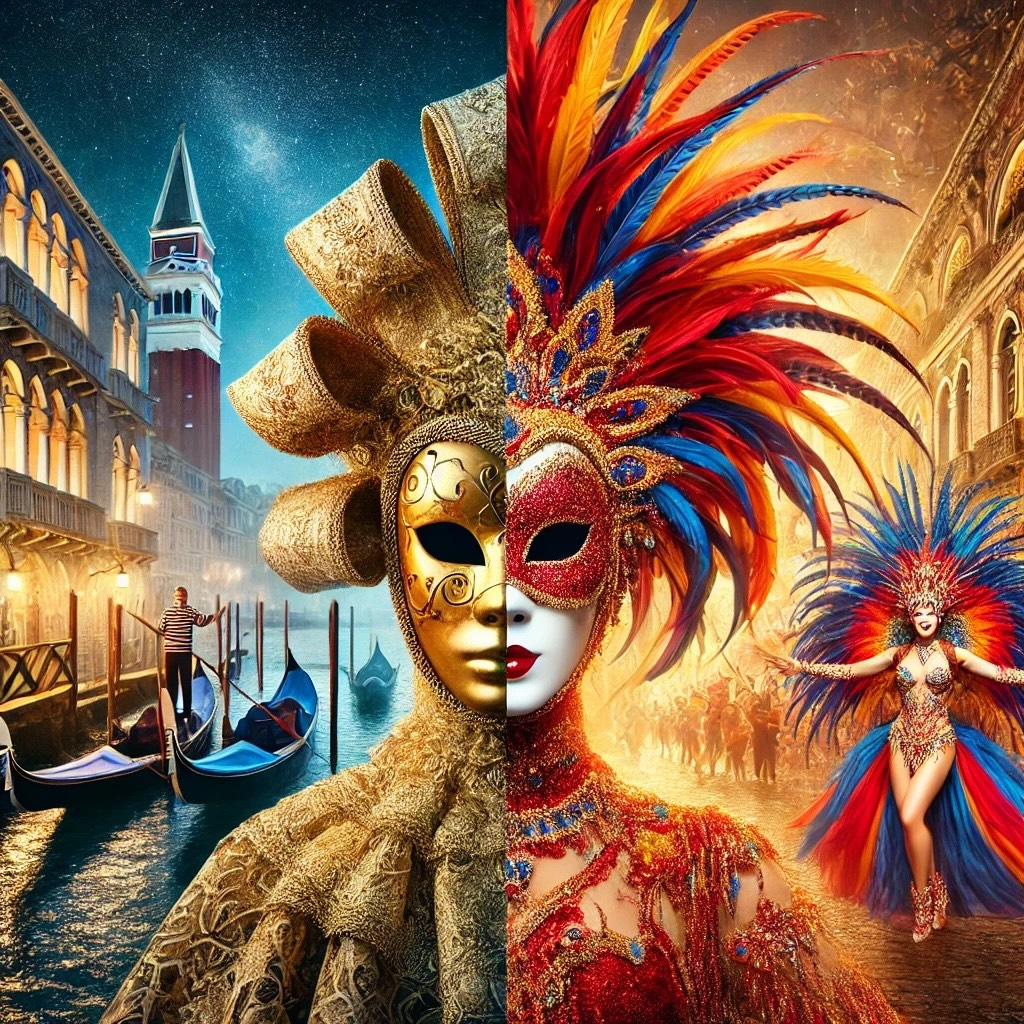
When you think of a carnival, do you picture confetti in the air, dazzling costumes and rhythms that never stop? The world is full of spectacular carnivals, but two have risen to iconic status: the vibrant, rhythmic and extravagant Rio Carnival, and the elegant, mystical and historical Carnival of Venice. Both take place in February and each one marks the height of the season in its own unique way.
Of course, the Rijeka Carnival could easily stand alongside them, but that is our local legend – and it already had its spotlight on our Insider. For now, let’s explore what makes Rio and Venice so unforgettable.
🎭 Venecijanski karneval: Maskenbal kroz povijest
The Carnival of Venice (Ital. Carnevale di Venezia) is one of the most famous in the world – a blend of elegance, mystery and centuries of tradition. It originated in 1162 as a celebration of a military victory, and over the centuries grew into a grand festival… until 1797, when Emperor Francis II banned all festivities and the carnival disappeared. The tradition was revived in 1979, and since then Venice once again welcomes a sea of masks and around three million visitors each year.
If you’ve ever wanted to lose yourself in the winding Venetian streets, hidden behind a mask while gondoliers glide through the canals – this is your moment.

The Most Iconic Masks
Venetian masks are not simply costumes; they are small works of art. Handcrafted, subtly glamorous and tied to centuries-old artisan traditions still alive in local workshops.
Bauta
The queen of all Venetian masks – and with good reason. It was worn daily, which meant that behind it one could hide almost anything: identity, social status, intentions… It covered the entire head, draped over the shoulders and was always black. Simple on the outside, perfectly practical for remaining anonymous in a city that has always thrived on intrigue.
Moretta
The mask of seduction and silence. Worn exclusively by women, round in shape, covered in black velvet and held in place by biting a small button between the teeth. No speaking, no revealing expression… just a gaze and complete mystery. Ideal for those who wished to appear elegant, enigmatic and say absolutely nothing.
Dottore Peste (Plague Doctor)
Perhaps the most recognizable – and the most unsettling – Venetian mask: the long-beaked plague doctor. It was originally worn by physicians during the plague; the beak was filled with herbs and spices believed to protect against disease. Practical for its time, slightly eerie to modern eyes. Today it’s a global icon thanks to films, video games and pop culture, though its origins are anything but glamorous.

What You Shouldn’t Miss
The Flight of the Angel (Volo dell’Angelo)
The most emotional moment of the carnival, the official opening ceremony. Inspired by a 16th-century event when a young Turkish acrobat walked a tightrope from a ship to the Campanile of St. Mark. The modern version is safer but just as dramatic: a performer “flies” above Piazza San Marco as thousands look to the sky.
Exclusive Balls
If you want to experience Venice at its most glamorous, the historic masquerade balls are a must. Lavish dinners, aristocratic palaces, strict dress codes and an atmosphere straight from the 18th century. The most famous is Il Ballo del Doge, held at Palazzo Pisani Moretta. After welcome cocktails, guests enjoy a formal dinner in centuries-old halls, accompanied by artistic performances, classical music and dancing until dawn. Tickets can cost several thousand euros per person.
Gondola Parades
The Grand Canal transforms into a floating runway. Historic gondolas, coordinated costumes and specially designed decorations create one of the most photogenic moments of the entire festival – a true Venetian signature.
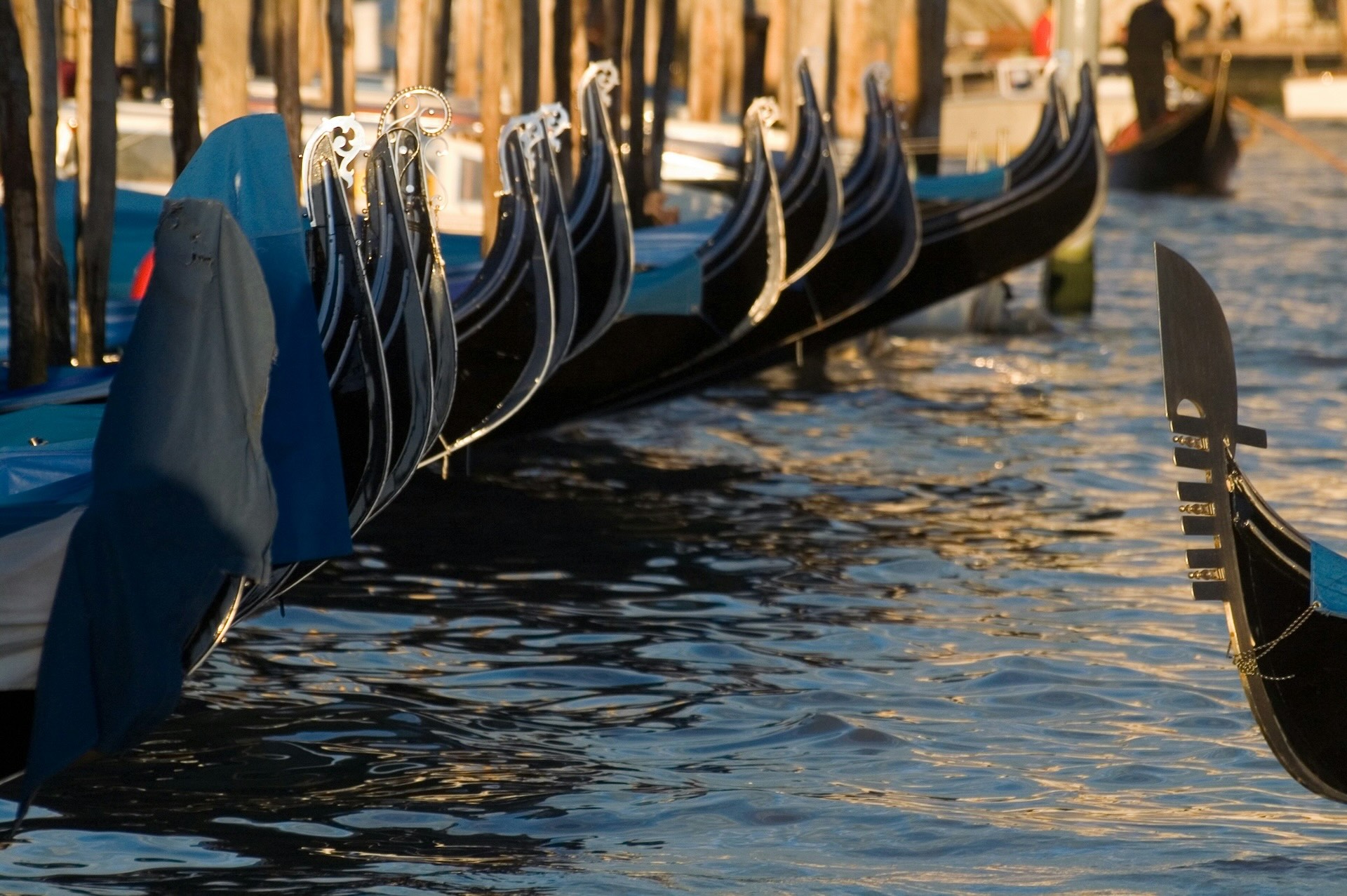
Only once a year you can walk through Venice and feel like part of a Renaissance fairy tale.
Visitor Tips
- Book accommodation well in advance. This is one of Italy’s biggest events and hotels fill up months early.
- Buy an authentic mask. Choose handcrafted masks from Venetian ateliers – avoid plastic souvenir versions.
- Dress in layers. February in Venice can be cold, damp and windy.
🥁 Rio Carnival: Samba, Rhythm and Pure Energy
The Rio de Janeiro Carnival is one of the liveliest and most extravagant festivals in the world, deeply rooted in Brazilian culture and history. Famous for its spectacular parades, vibrant costumes, infectious samba music and unstoppable energy, it attracts millions of locals and tourists each year. Held in February, it transforms the city into a giant stage dedicated entirely to samba, costumes, dance and the celebration of life.
Every year, more than five million people join the event, making it one of the most anticipated and talked-about celebrations worldwide. If you prefer non-stop festivities, where rhythm rules and dancing is a must, then Rio Carnival is your ideal playground.

What Makes Rio Unique?
Sambadrome
Where the greatest samba schools present their jaw-dropping choreographies. The parade lasts all night, and the crowd is just as passionate as the dancers. The Sambadrome was designed in 1984 by Oscar Niemeyer, one of the most famous Brazilian architects of the 20th century, specifically as a stadium for celebration.
Blocos
Street parties with thousands of people turning entire neighborhoods into festivals. Every district has its own theme, rhythm and style – from pop hits to traditional samba. More than 580 blocos take place across Rio, with “Cordão da Bola Preta” in the city center being one of the most iconic. If you want the true carnival spirit, this is the place.
King Momo
Every carnival needs its king. King Momo is a symbolic figure who officially opens the festivities, originating from Greek mythology and traditions of satire and joy.
Carnival Queen
Where there’s a king, there’s also a queen. A new Queen of Carnival is chosen each year – a dancer who embodies beauty, charisma and extraordinary samba skills.
Fun Facts About Rio Carnival
- Up to 5,000 feathers can be used for a single samba costume
- Samba dancers train all year for just a few minutes on stage
- Over 10 million liters of beer are consumed during the carnival
- The Brazilian economy earns nearly one billion dollars from the event
- The first Rio Carnival took place in 1723

“The night never ends here, it just turns into an even crazier party!”
Visitor Tips
- Buy Sambadrome tickets early. The best seats sell out fast.
- Be mindful of your belongings; leave valuables and jewelry at home.
- Don’t wear expensive clothing. Confetti, foam, water – expect everything
- Stay hydrated. It’s peak summer in Brazil.
- Arrive a few days early to get familiar with the city and choose where you want to be.
🎭 Venice or Rio – Where Would You Go?
For lovers of history, mystery and luxurious masquerade balls, Venice is a dream. For those craving adrenaline, dance and round-the-clock celebration, Rio is pure euphoria.
Stuck between masks and samba? Write to us. Let’s plan your perfect journey together.